FAMILY CELEBRATION: THE TIPSY PIG AND A BLOODY MARÍA

As part of our recent family gathering to celebrate a special birthday for Susan, some of us were able to go to brunch together. Sarah and Evan were busy getting ready for service at their new restaurant, so they were not able to attend. Kevin was at the library. Everyone else gathered on the back patio of The Tipsy Pig not far from the San Francisco Marina. The weather was beautiful, and the restaurant was friendly with excellent service.

There were lots of interesting drink choices. I picked the Mary Pig, a classic bloody mary. It was extremely well made and decorated with olives and a stalk of celery.

Food choices were even better.

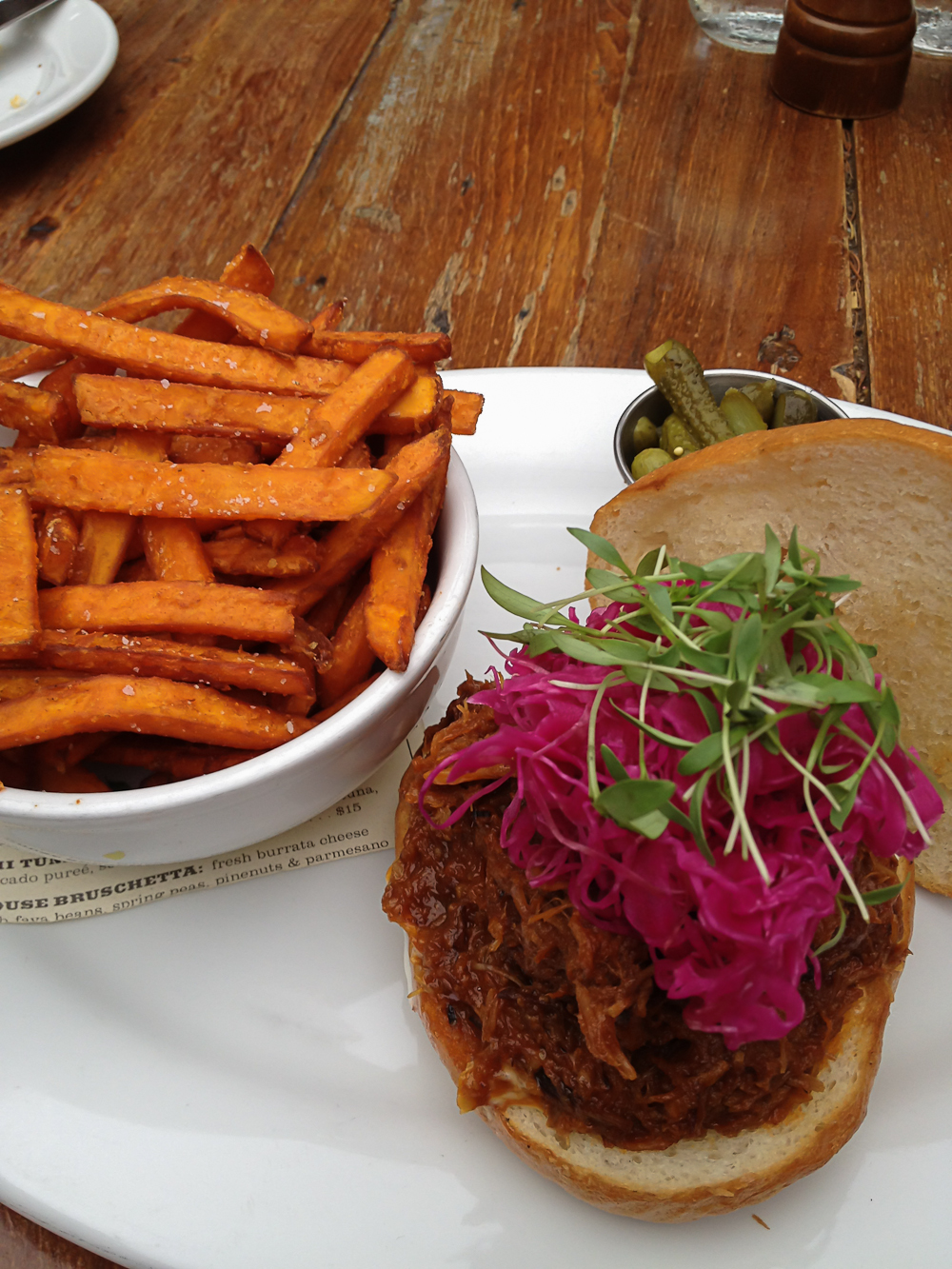
The Chimay braised pulled pork sandwich was with served aioli, and red cabbage slaw came with sweet potato fries. It was beautifully presented and very tasty.

The chive-goat cheese scramble was beautiful: two squares of golden eggs scrambled with goat cheese, served on squares of thick toast and prosciutto, topped with Meyer lemon beurre blanc and a side of wax beans.

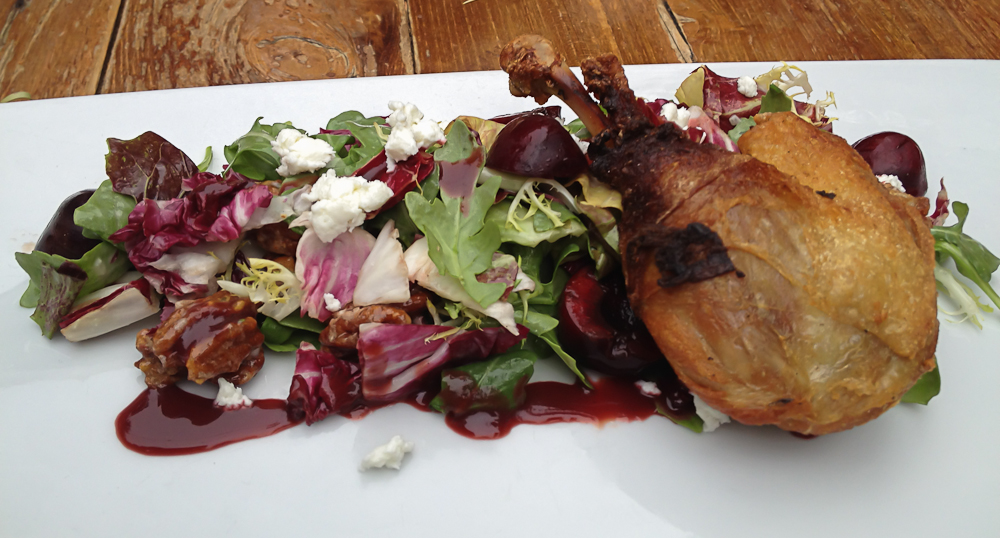
The crispy duck confit came as a generous-sized duck leg  finished with radicchio, spiced pecans, goat cheese, and bing cherries with champagne-tarragon vinaigrette.

I chose huevos rancheros. This is one of my favorite dishes, but this version was unlike any I have ever seen. It was beautiful, not to mention tasty. A perfectly cooked egg was served on rolled tortillas and a bed of black beans, sauced with salsa verde, and dressed with pico de gallo and avocado. Crumbled asadero cheese garnished the top. It was a wonderful choice.

One of these days I plan to share my recipe for huevos rancheros, but today I would like to give you the recipe for my version of a bloody maría – a tequila-based bloody mary.

RECIPES

Chile Powder Salt

Ingredients

  • 1 teaspoon powdered chile (not chili powder). Temperature is your choice
  • 1 tablespoon coarse kosher salt

Method

  • Mix the chile powder and salt in a small bowl with a wide enough brim to accept the rim of your drinking glass

Bloody María

Ingredients

  • chile powder salt
  • 2 ounces tequila
  • 1 ounce fresh lime juice
  • 4 ounces mixed vegetable juice (V8 or the equivalent)
  • ¼ teaspoon Worcestershire sauce
  • dash Chalula hot sauce to taste

Method

  • Moisten the rim of the serving glass with the lime rind left over from squeezing and dip in the prepared chile powder salt
  • Combine tequila, lime juice, vegetable juice, Worcestershire sauce and Chalula hot sauce in a cocktail shaker with a cube of ice and shake well.
  • Strain into the serving glass.
  • Garnish with half a fresh jalapeño and a spear of jícama lightly dusted with powdered chile

2 Comments

Filed under Food, Photography, Recipes, Restaurants, Travel

RICH TABLE: JUST DESSERTS WITH SARAH RICH

As Rich Table has gotten up and running, they have focused on their menu of savory dishes. Sarah and Evan work closely to develop that menu, which changes daily. Almost by default Sarah has been responsible for the baking and the dessert menu. Even though her training and experience have been in savouries on the line, she has also done pastry. So it was natural for her to take on that responsibility. As well, she has taken responsibility for selecting the cheeses for the cheese plate, to be served with grilled levain drizzled with honey. Each evening is a classic presentation of one sheep-, one goat-, one cow-milk choice –  on a recent visit these were Ossauiraty, Onetik Chabrin, and Templais du Fleuron, respectively – as well as hard, soft, and blue.

One of the most popular “bites” at Rich Table has been fennel-scented levain served with cultured butter. Some have wondered why the restaurant charges for this dish when many restaurants provide a “free” bread basket. The answer lies in the preparation of the dish. Sarah and Evan forage for wild fennel pollen. The harvested pollen is used as the key flavoring in the popular bread. Leaven for the bread comes from a years-old culture which Sarah feeds on a daily basis and then readies each night for bread baking. The recipe has been specially developed, and the bread is baked daily; then served warm, soft and fragrant. The butter comes from cream to which a culture is added and allowed to age for several days before it is churned, kneaded, and hand-formed in house. All of this seems like a lot more effort than placing a daily order from Acme Bread.

If you just need a little sweetness at the end of the meal, go for the mixed melon granita. It’s very light as it rests on flavorful bites of melon.

Mixed melon granita

Caramelized olive oil cake with strawberries and miso is delicious and flies in the face of convention. Harold McGee in Keys to Good Cooking says that fats and oils make cakes moist by interrupting the protein-starch structure. In most recipes the fat recommended is butter for flavor or vegetable shortening for lightness. Oil is not commonly used. Interestingly, King Arthur Flour’s Baking Companion says that one insurance salesman, Harry Baker, made a good living selling chiffon cakes to Hollywood celebrities until he sold the secret recipe – using vegetable oil – to General Mills in 1947. Since then, there have been many cake recipes developed using vegetable oil including popular carrot cake, applesauce cake, and vegan cakes. However there remains the caution in several popular cookbooks not to use olive oil as the strong flavor will spoil the cake. This caramelized version is evidence that olive oil is wonderful in cake and a perfect foil for roasted strawberries and  miso with cream cheese.

Caramelized olive oil cake with roasted strawberries and cream cheese

Salted chocolate sable with fresh raspberries, sorrel, and chocolate cream is a chocolate lover’s dream come true. The sable is a crisp thin cookie with just enough salt to play off the berries and creamy chocolate cream beneath it.

Salted chocolate sable with raspberries, sorrel, and chocolate cream

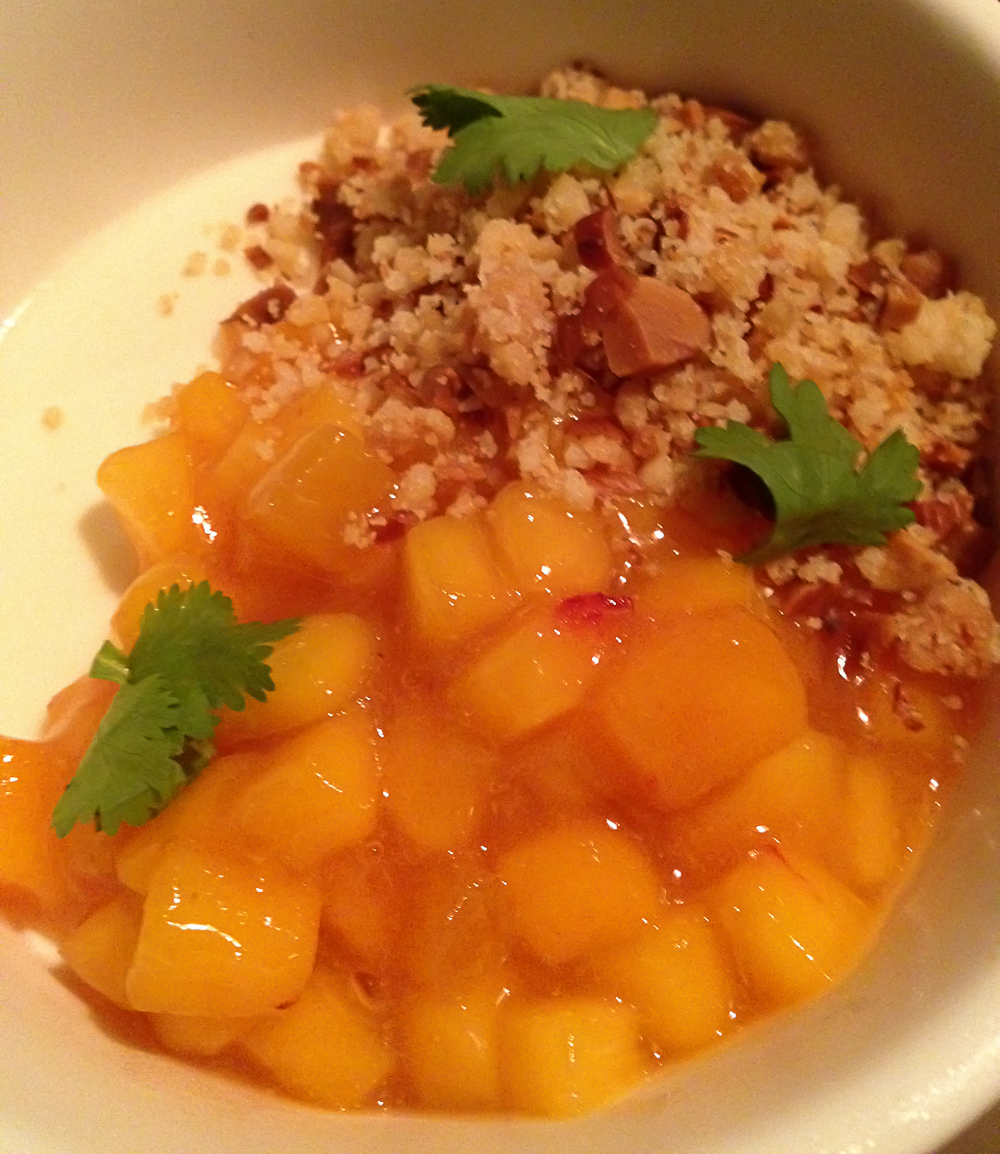
Buttermilk panna cotta seems ordinary enough, but the fresh  stone fruit sauce and almond crumble elevate it to a unique offering.

Buttermilk panna cotta with stone fruit and almond crumble

Any one of these desserts is a perfect choice to end your meal. Better yet, share several with your dinner partners.

Leave a comment

Filed under Food, Photography, Restaurants

SALADE NIÇOISE

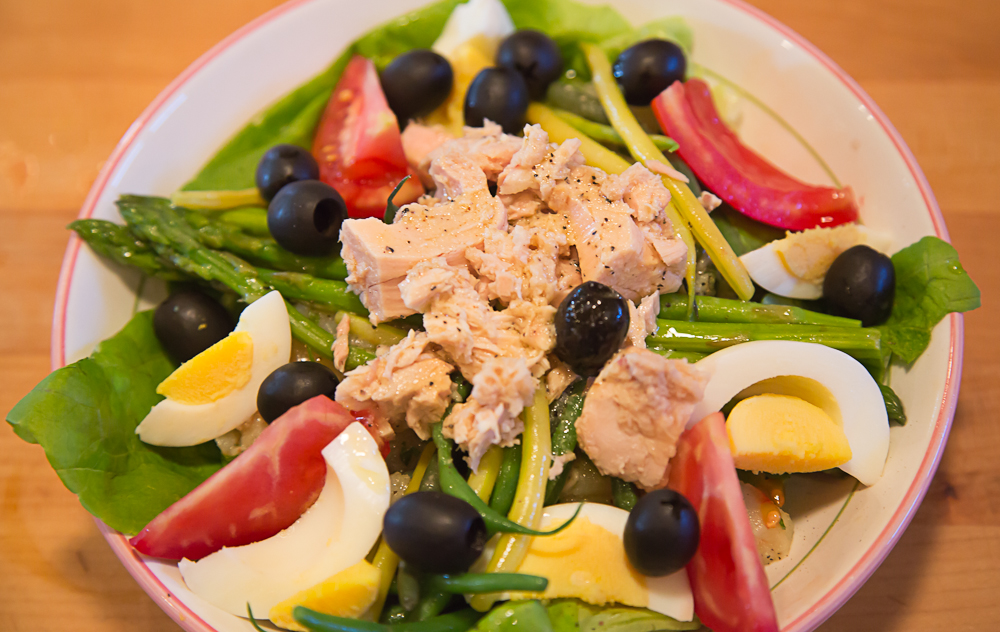
Another classic composed salad for summer, this version has its origins in Volume I of Mastering the Art of French Cooking by Julia Child and friends.

Instead of pasta, rice, or quinoa serving as the base, French-style potato salad pulls everything together. Haricots verts, hard-boiled eggs,  ripe tomatoes, black olives, and canned tuna are essential. If you can find good-quality Spanish anchovies, they should also be included, but beyond that you are limited only by your imagination.

Salade Niçoise can be served chilled or at room temperature, but it goes without saying that it needs a chilled white wine and crusty French bread to be a complete summer meal.

RECIPES

French Potato Salad

Ingredients

  • 2 medium russet potatoes
  • 3 quarts boiling salted water
  • ½ cup dry white wine
  • ¾ cup vinaigrette
  • 6 scallions, cleaned and cut into ¼ inch slices, including the green tops
  • handful parsley leaves, chopped finely

Method

  • Add the unpeeled potatoes to the boiling water. Return to the boil and cook until the potatoes are done and can be pierced easily with a sharp fork, about 30 minutes.
  • Drain the potatoes and cool until they can be handled. Peel by pulling the potato skin off with a sharp paring knife.
  • Slice the potatoes into ¼ inch thick rounds, return to the dry pot, and pour in the wine. Stir gently until the wine is completely absorbed.
  • Add the vinaigrette, scallions, and parsley and stir gently until well combined, being careful not to break up the potatoes too much. Chill until ready to compose the salad.

Salade Niçoise

Ingredients

  • ¼ pound haricot verts, trimmed and blanched (good green beans if haricot verts unavailable)
  • 12 very thin stalks asparagus, trimmed and blanched
  • ½ cup vinaigrette
  • 1 small head, butter lettuce, washed and the leaves separated
  • 1 batch French potato salad (see above)
  • 2 ripe tomatoes, cored and cut into wedges
  • 2 hard-boiled eggs, peeled and cut into wedges
  • 5 ounce can best quality solid albacore tuna in water, drained
  • 14 ounce can black olives, drained
  • Spanish anchovies (optional)

Method

  • Arrange the lettuce leaves in a large salad bowl
  • Heap the potato salad in the middle of the bowl
  • Dress  the beans and asparagus lightly with vinaigrette and then arrange them across the top of the potato salad
  • Sprinkle the olives over the top of the potato salad and arrange the tomatoes and eggs around the edge.
  • Arrange the tuna, flaked gently with a fork, in the middle of the salad.
  • Serve immediately. This will serve two, perhaps with some leftovers.

2 Comments

Filed under Food, Photography, Recipes

YELLOWSTONE NATIONAL PARK – SHRIMP AND MUSHROOM RISOTTO

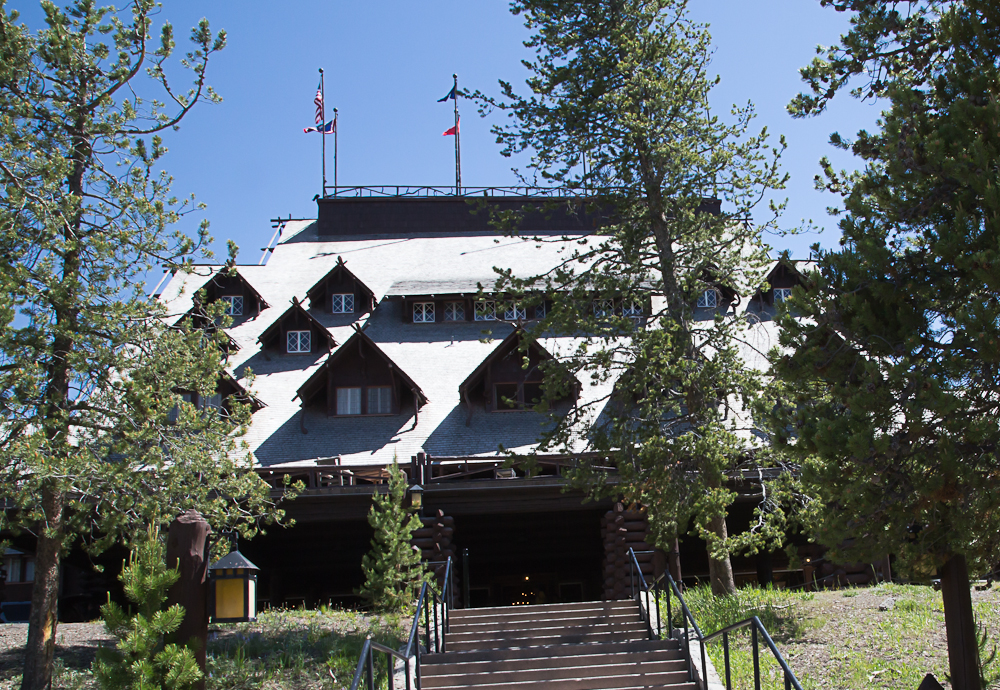
The last stop on our Rocky Mountain marathon was Yellowstone National Park. We have been there many times, but we have never stayed at the Old Faithful Inn, so that was one of our main objectives on this visit.

It is a several-hour drive from Glacier to Yellowstone, but the scenery is so absorbing that the time passes quickly. Montana is gorgeous, and there are many spectacular mountains beside those in Glacier. The plains are beautiful with rolling hills, great green pastures, and trim ranch houses. As we got closer to Yellowstone, the mountains and forests again took over the view, and we saw several of the famous and beautiful rivers that have inspired writers, painters, photographers, and fly fisherman from as far back as Lewis and Clark – The Yellowstone, the Gallatin, the Madison – and we would soon see the Fire Hole.

West Yellowstone was like all of the entry villages of national parks, crowded with tourists and filled with ice cream stores and curio shops. Yet once inside the park, the beauty became overwhelming. Many wild animals, rushing streams, perfect vistas, and far-away mountains.

We arrived at Old Faithful Lodge in the early afternoon. Parking lots were full, the lobby was jammed, and there was a long line of people waiting to check in. Once we arrived in our room, it was like stepping back in time. Our room was in the Old House, the iconic lodge famous in pictures and opened in 1904. The room had been updated a bit, but we still had to go down the hall to the communal bathrooms. That was a seeming inconvenience which we soon took in stride for the pleasure of staying in this historic and wonderful lodge.
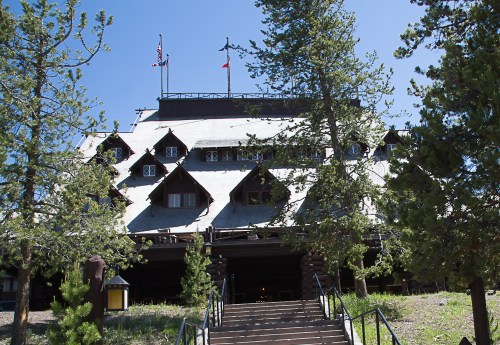
Old Faithful Inn

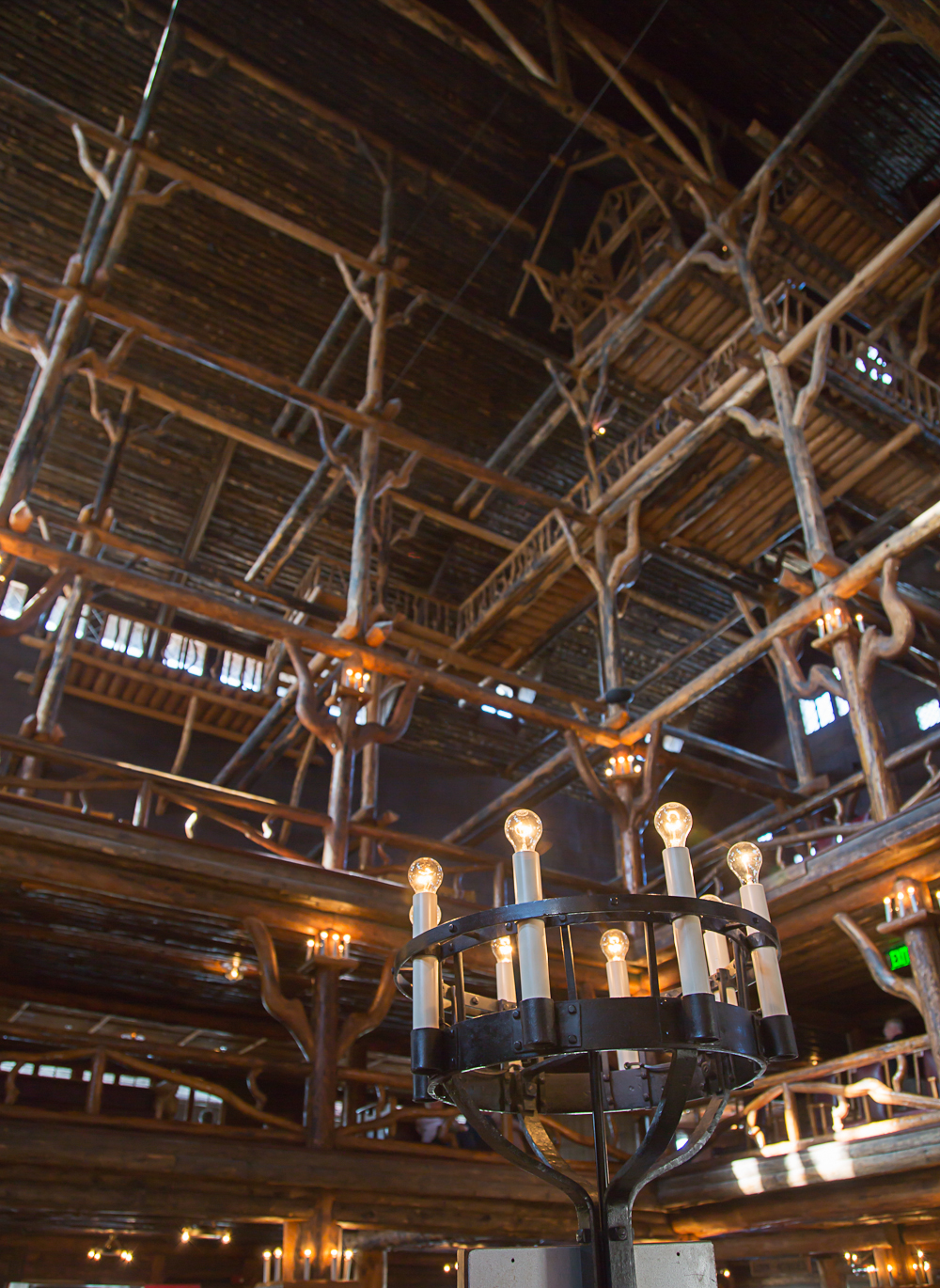
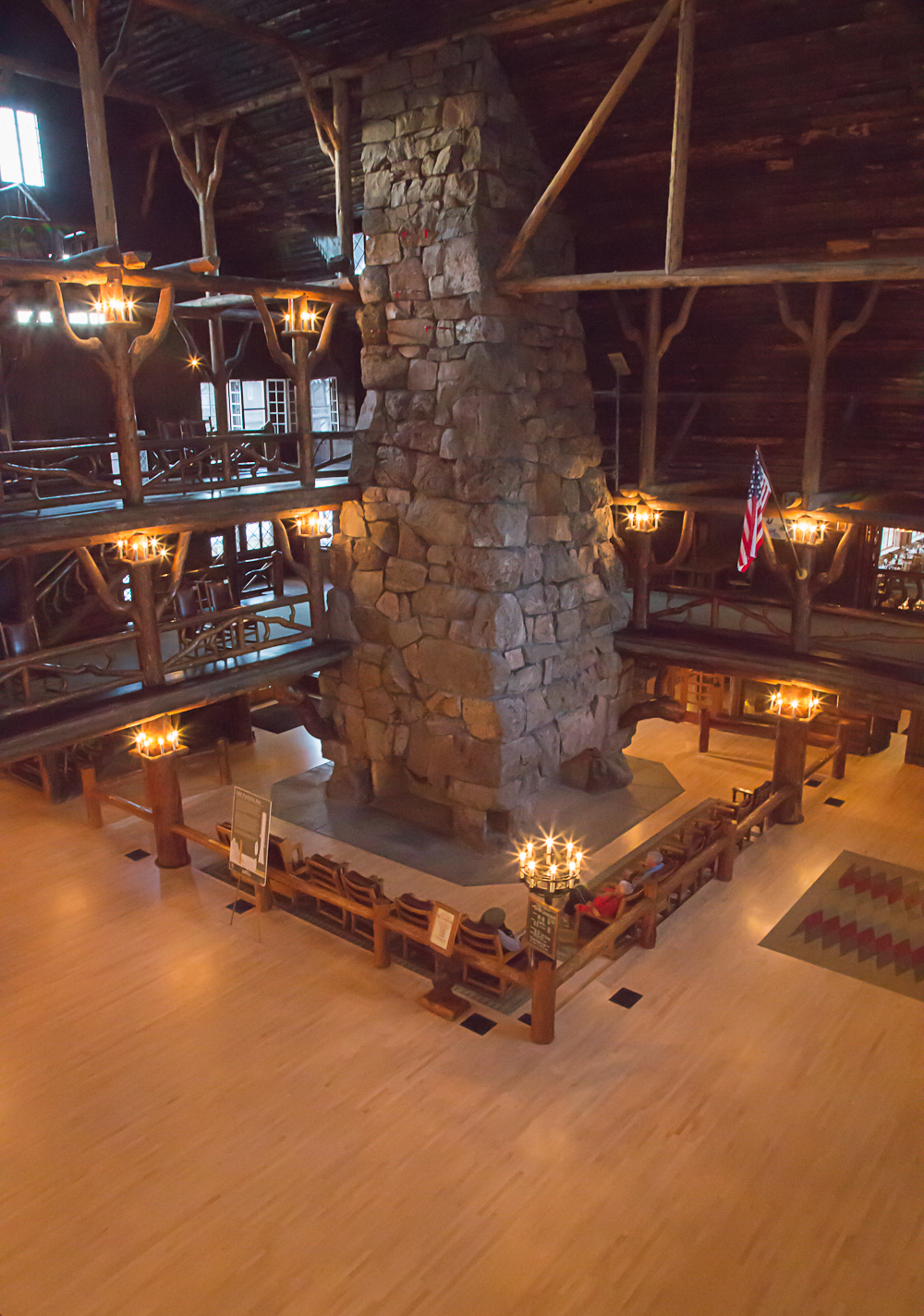
Back in the lobby, we gasped with the other tourists at the enormity of space. The log ceiling reached up many storeys  nearly 80 feet above the lobby floor with the massive stone fireplace serving as the focal point.

Looking up to the ceiling of the lobby at Old Faithful Inn
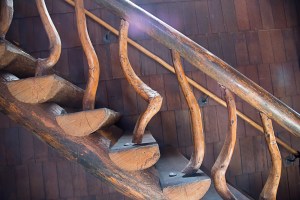
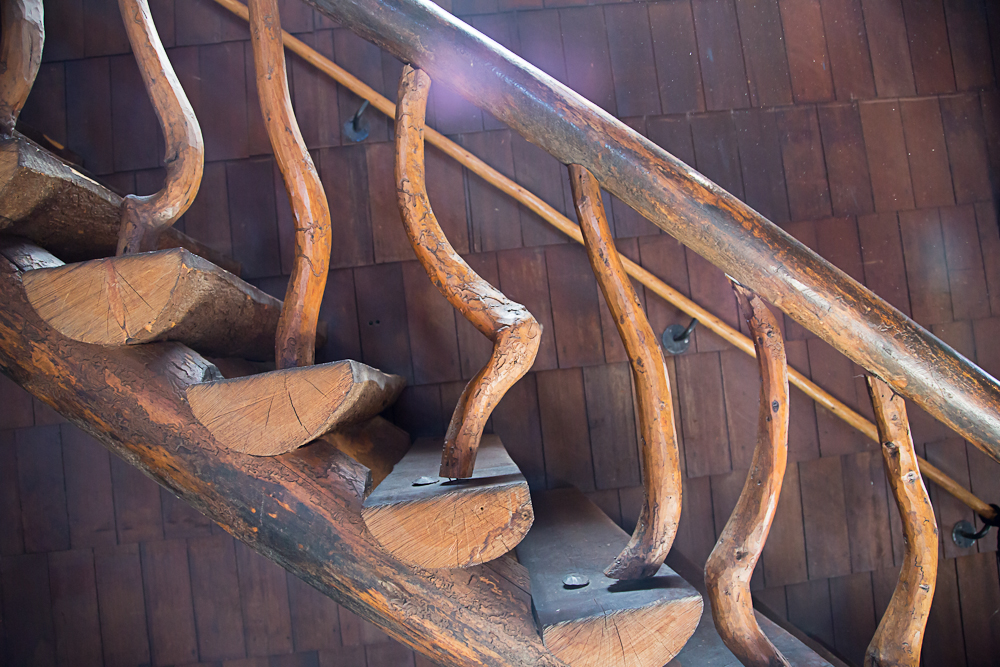
Detail of stairway in Old Faithful Inn

The detail was inspiring. Each staircase was a work of art with twisted pine limbs serving as the balusters. Similarly the supporting posts on each floor were carefully matched twisted limbs.  Even the outside supports on the verandah were carefully matched and polished to a sparking gloss.
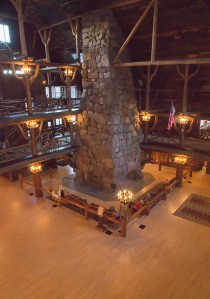
The fireplace and Great Clock in the lobby of Old Faithful Inn

Later, I found that the best time to enjoy the beauty of the lobby space was at 4 AM when all the lights were still ablaze but the visitors had gone to bed, and the cooks were not yet awake.
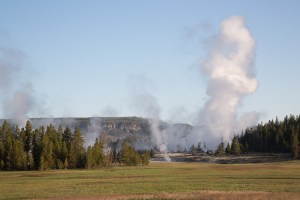
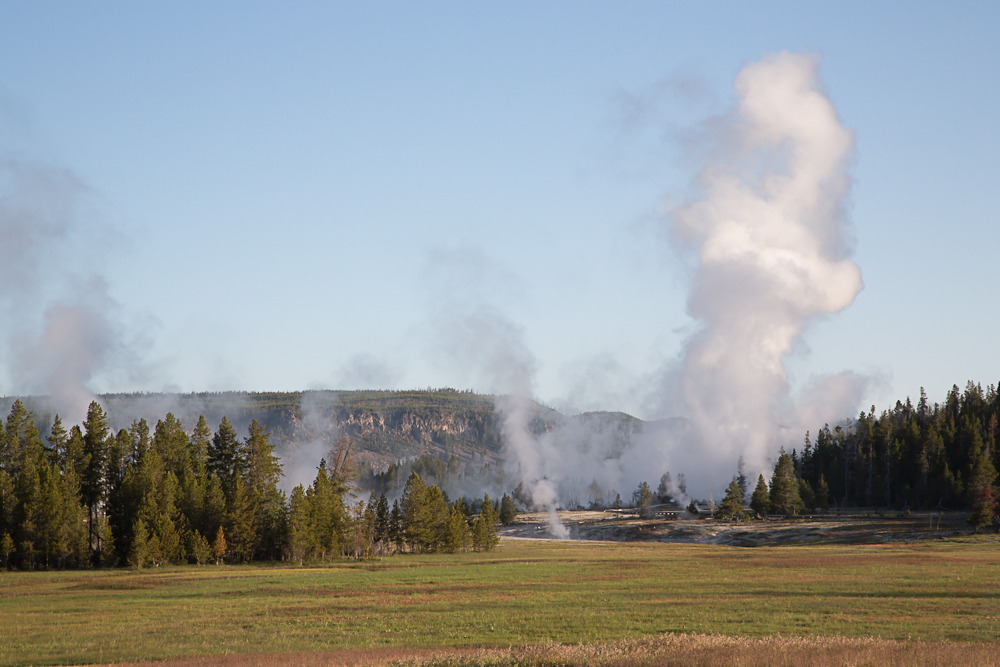
Old Faithful Geyser Basin
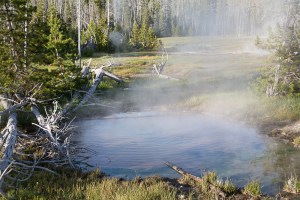
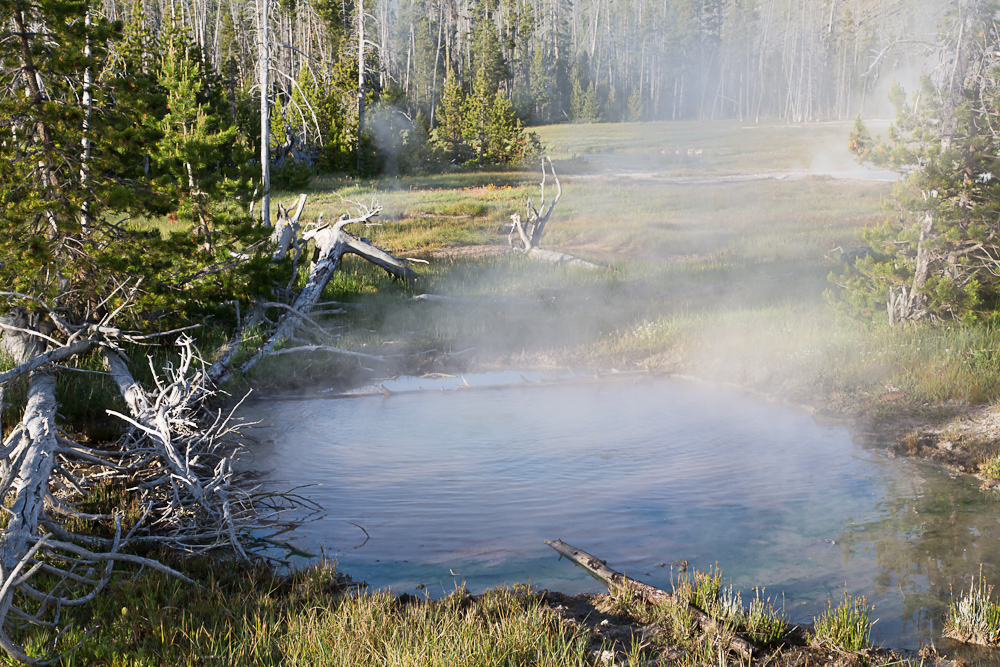
Road-side pool

We learned another thing, too. We arose at dawn each day of our visit to visit the geyser basins, lakes and rivers. The wildlife was out, but the tourists were still asleep, and we had the park nearly to ourselves. By noon, the crowds had awakened and the crush of humanity was almost too much.
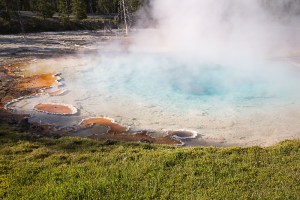
Blue thermal pool

Steam rose from the geysers. Crystal clear water glistened in the hot pools lined with colors of emerald, pink, and cobalt blue.
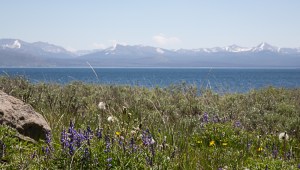
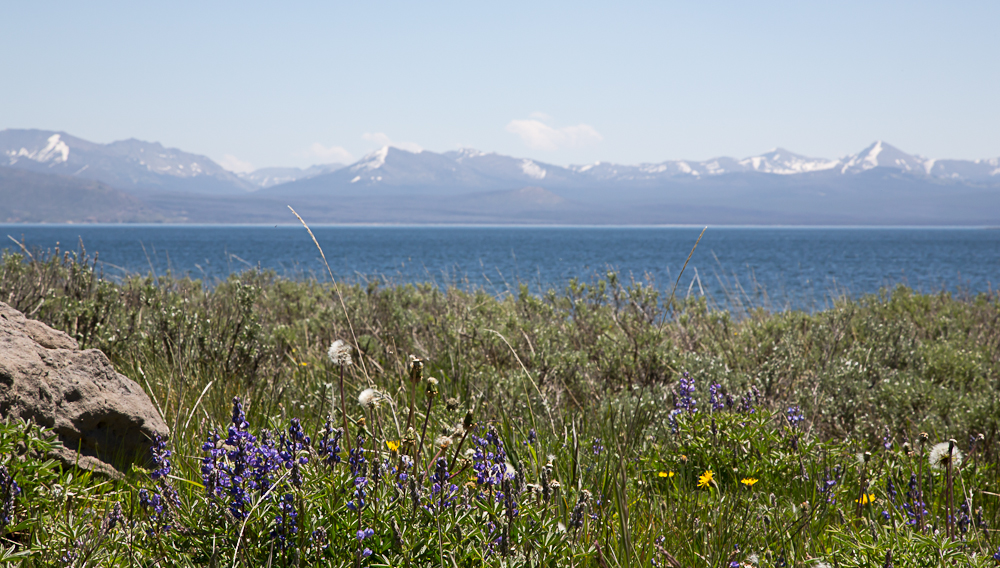
Yellowstone Lake

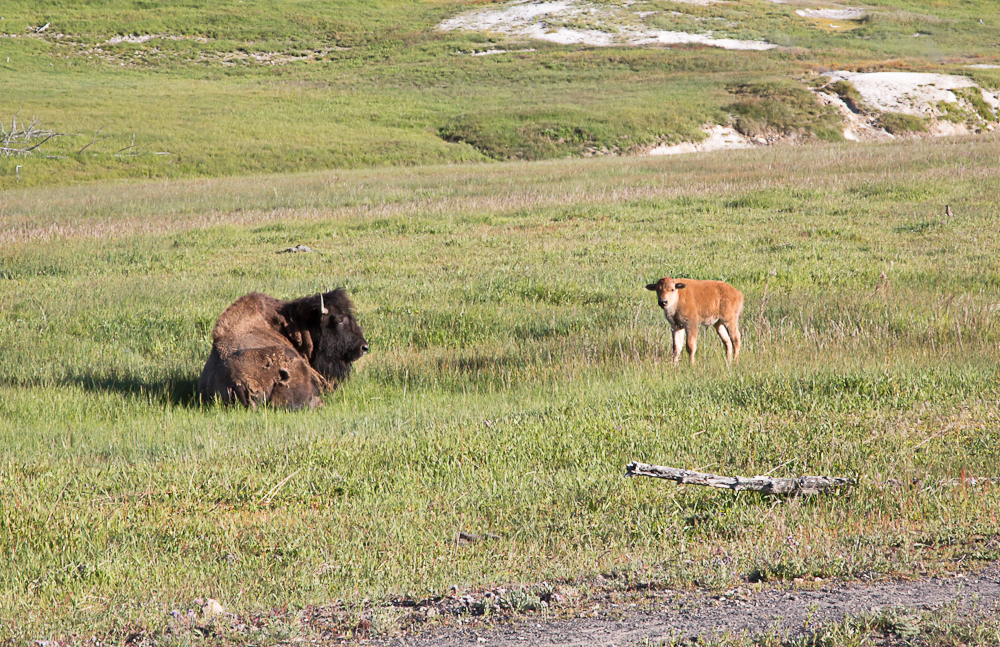
Mother bison were tending their calves along the roadside, and deer and elk hid in the shadows of the forest. We did not see any bears, but our wildlife experience was still thrilling.
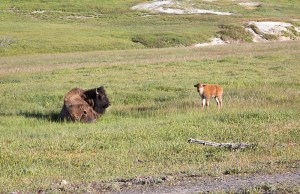
Mother American bison and calf

Watching Old Faithful Geyser erupt was a treat as we sat on the verandah with gin and tonic in hand .

The big disappointment was eating dinner in the dining room. The room was beautiful, and it had been preserved and restored to its early glory. One tried to imagine early visitors dressing for dinner with the women in long gowns and the men with stiff collars and suit coats. The vision was impossible to hold in an atmosphere of very large men in short shorts and their equally large wives in fluorescent tube tops. The menu was filled with interesting-sounding choices, but that seemed like a waste of time as the very large men made repeated return visits to a buffet.

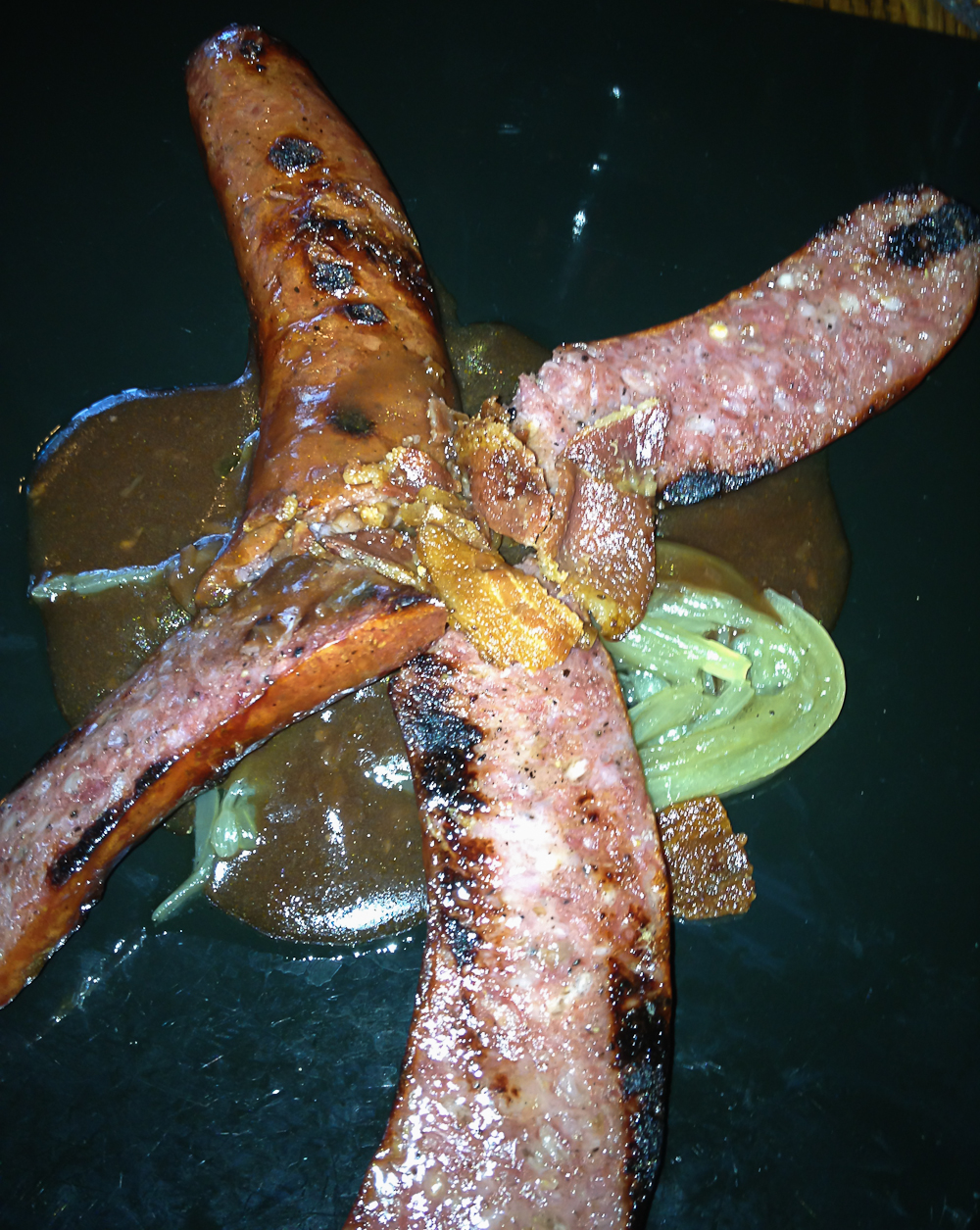
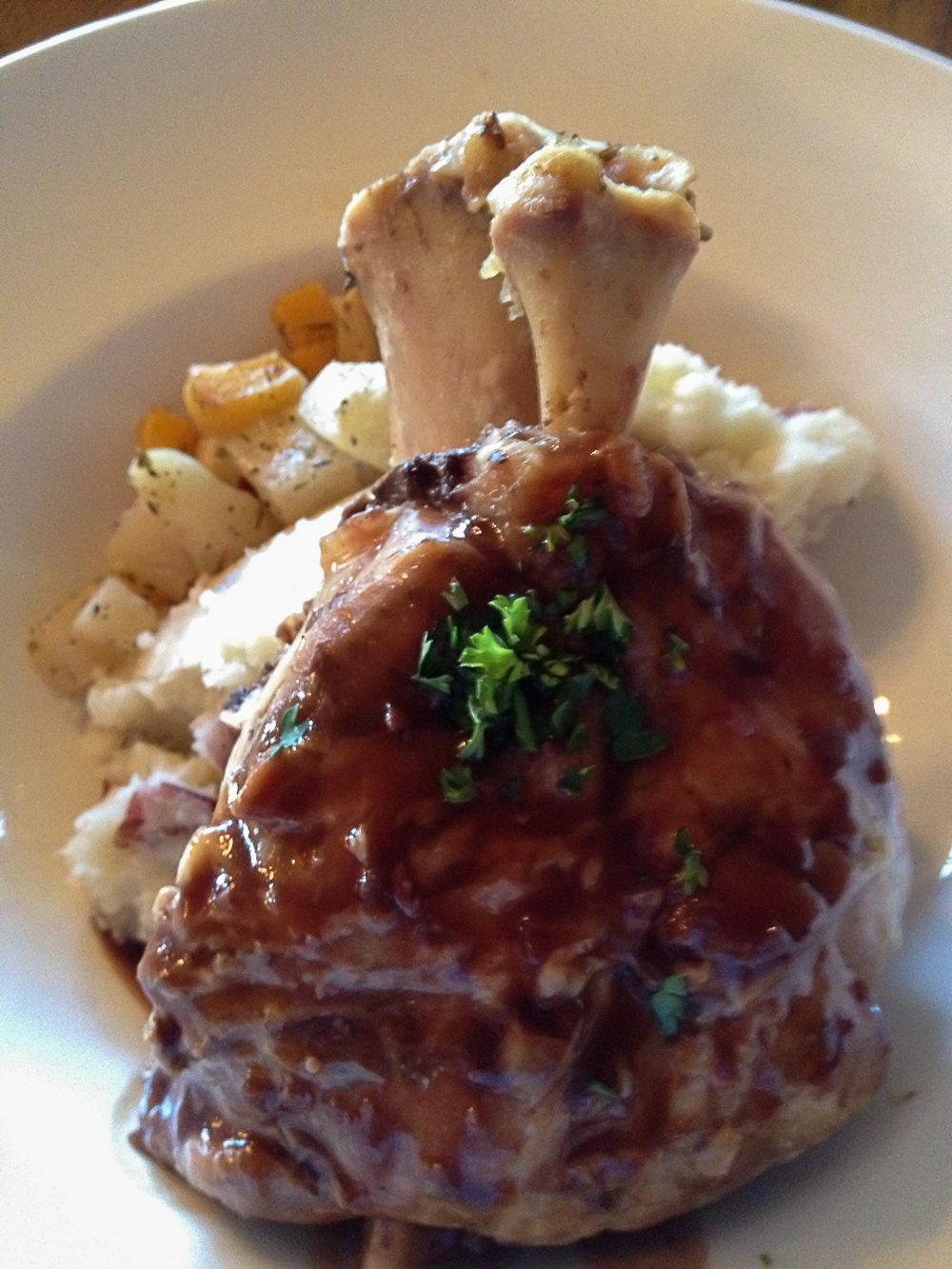
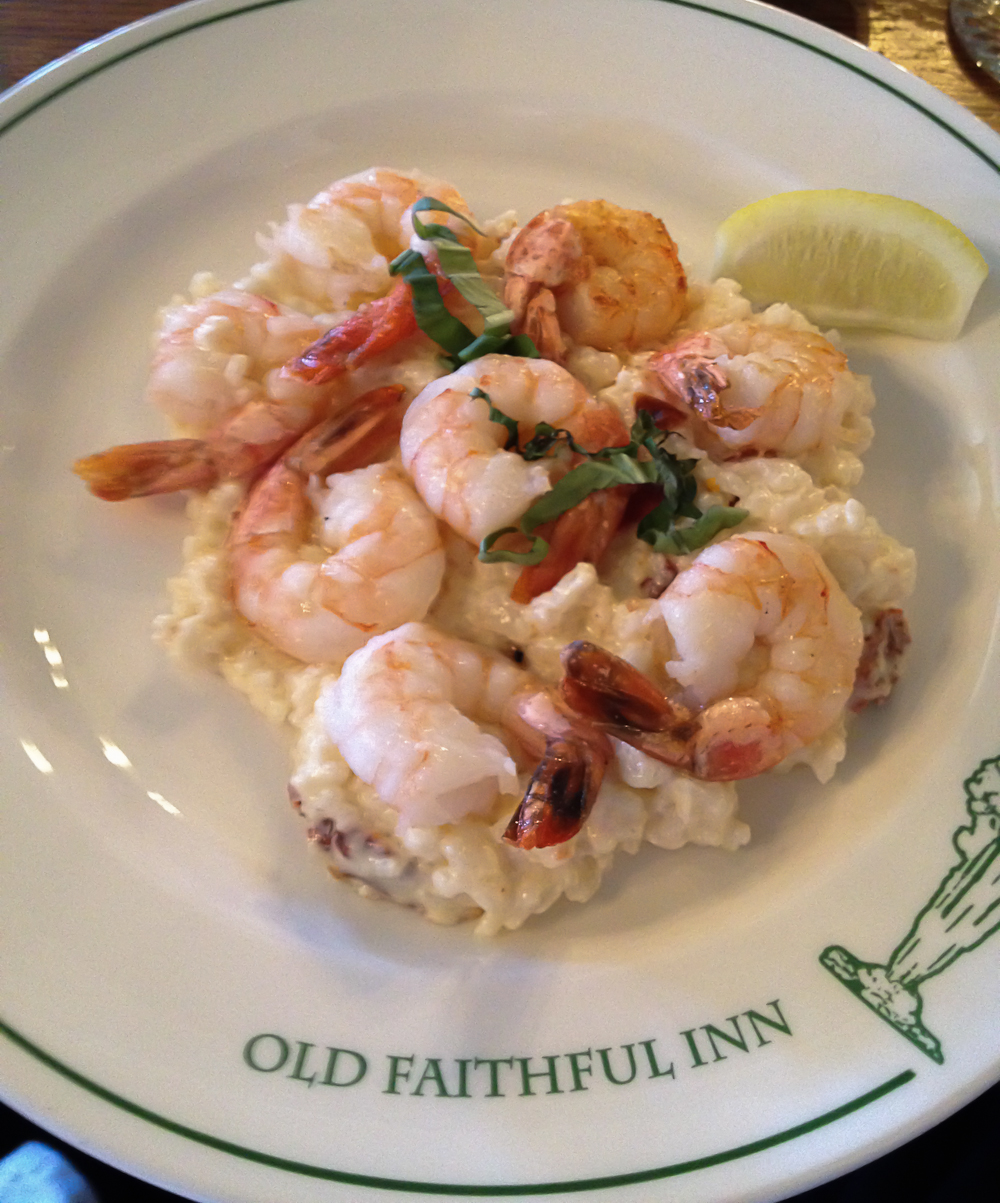
The food was ok, considering the huge number of meals served each day, but it didn’t match the surroundings (sans tourists). Among the dishes we chose were shrimp risotto, trout cakes, antelope sausage, and pork osso buco .
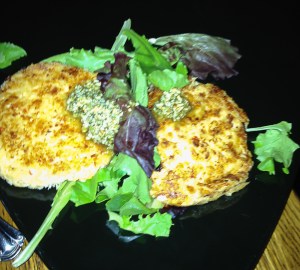
Trout cakes
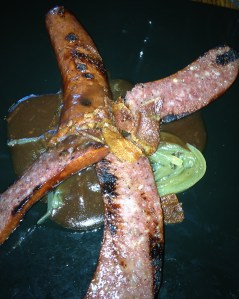
Antelope sausage
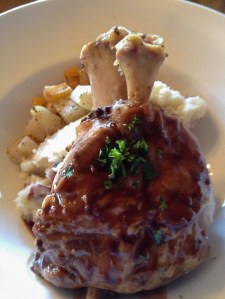
Pork osso buco
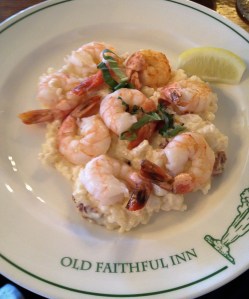
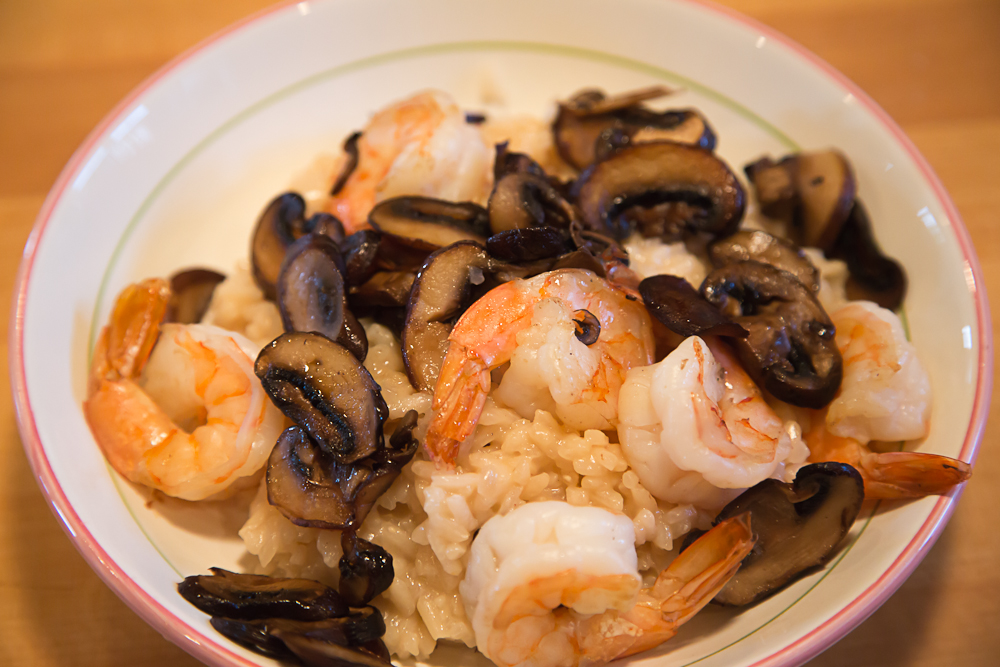
Shrimp risotto at the Old Faithful Inn

Of these, I have tried to replicate the shrimp risotto.

RECIPE

Shrimp and mushroom risotto

Ingredients

  • 1½ cups vegetable stock
  • 1½ cups + 9 cups water
  • 1 pound shrimp, 16/20 size
  • 1 large carrot, peeled and chopped coarsely
  • 1 stalk celery, chopped coarsely
  • 1 medium white onion, chopped coarsely
  • 2 cloves garlic, peeled
  • 3 stalks parsley
  • 8 whole black peppercorns
  • 1 teaspoon salt
  • 1 ripe tomato
  • 1 pound shrimp, 16-20 size, with shells on
  • 8 ounces mushrooms, cleaned, trimmed and sliced
  • 3 + 3 tablespoons butter
  • ½ cup white onion, finely diced
  • 1 cup Arborio rice

Method

  • In a large pot, bring the vegetable stock and 1½ cups of water to the boil. Add the  carrot, celery, white onion, garlic, parsley, peppercorns, and salt  to the boiling water.  Simmer for 30 minutes. Squeeze the tomato into the pot and drop in the skin and flesh. Continue to simmer for another 10 minutes.
  • Add the shrimp, return to a full boil for 5 minutes. Remove the shrimp, peel, and chill.
  • Remove the stock from the heat, strain, and then return to the cleaned pot. Add 9 cups of water to triple the volume of liquid. Reheat to boiling.
  • In the meantime saute the mushrooms in half the  butter (3 tablespoons)  in a small skillet over medium heat. Set aside in the skillet.
  • In a medium saucepan, melt the remaining butter. Then sweat the onions in the melted butter, covered  over medium heat.
  • When the onions are translucent but not browned, add the rice and cook, stirring constantly, until the rice grains become opaque but not brown.
  • Turn the flame under the rice mixture to high and immediately add one ladle-full of the boiling stock. Stir constantly until the liquid is absorbed. Add another ladle of the stock and continue the process of stirring and boiling until the rice is soft and creamy, about 30 minutes. Correct the seasoning with salt and pepper.
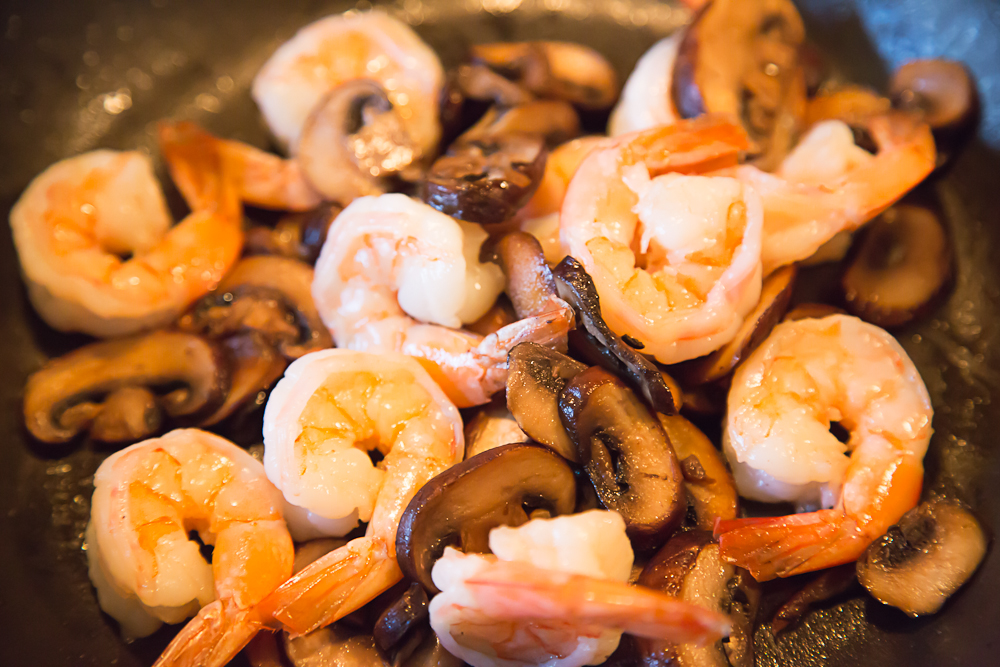
  • When the rice is nearly cooked, add the cooled shrimp to the skillet with the mushroom and heat over a medium-low flame.
  • Serve the finished risotto in 4 soup bowls. Divide the mushrooms and shrimp into four servings each, place on top of the risotto and serve immediately.
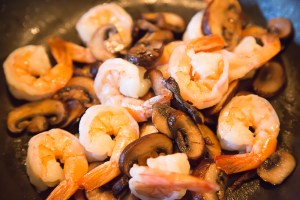
Shrimp and mushrooms sautéing
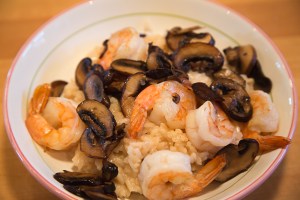
Shrimp and mushroom risotto

9 Comments

Filed under Food, Photography, Recipes, Restaurants, Travel

PASTA SALAD

The dog days of summer are definitely here. Hot and dry. Around here we haven’t had a good rain in months. This is the time when even the most devoted cook wants to spend as little time as possible over a hot stove. Time for pasta salad. If you plan correctly, the only thing you have to cook is the pasta and maybe some hard-boiled eggs.

At least one well-recognized cookbook author insists that pasta salad is not worth cooking because it doesn’t hold up. He argues that rice, other grains, or quinoa make better bases for a cold summer salad.

I respectfully disagree. Don’t get me wrong; I like quinoa, and tabbouleh is a favorite, but pasta salad just seems to say summer. As well, it is a perfect foil for lots of crisp and flavorful ingredients.

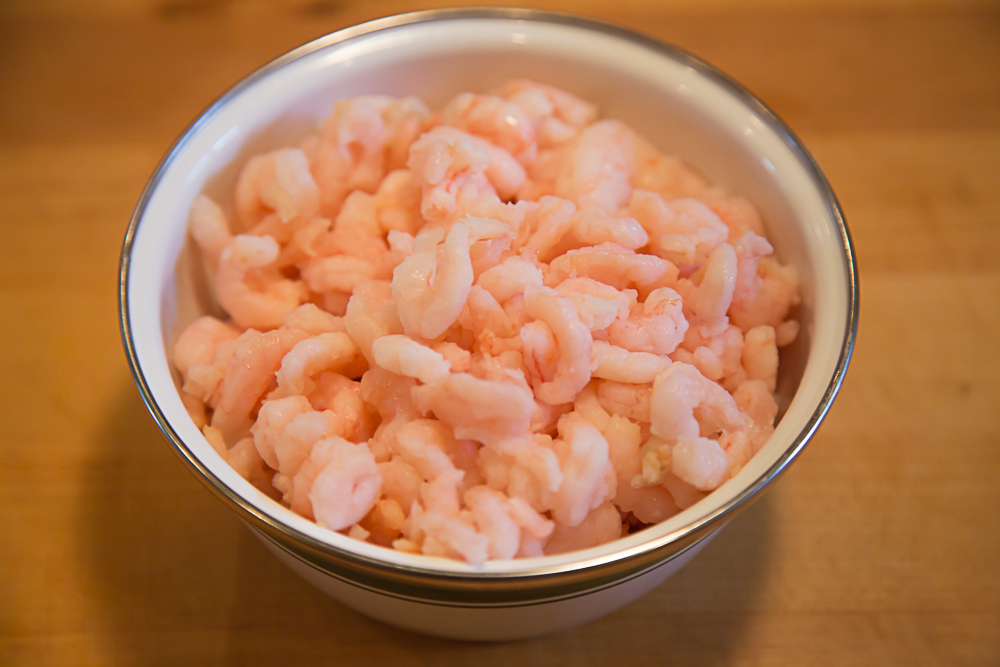
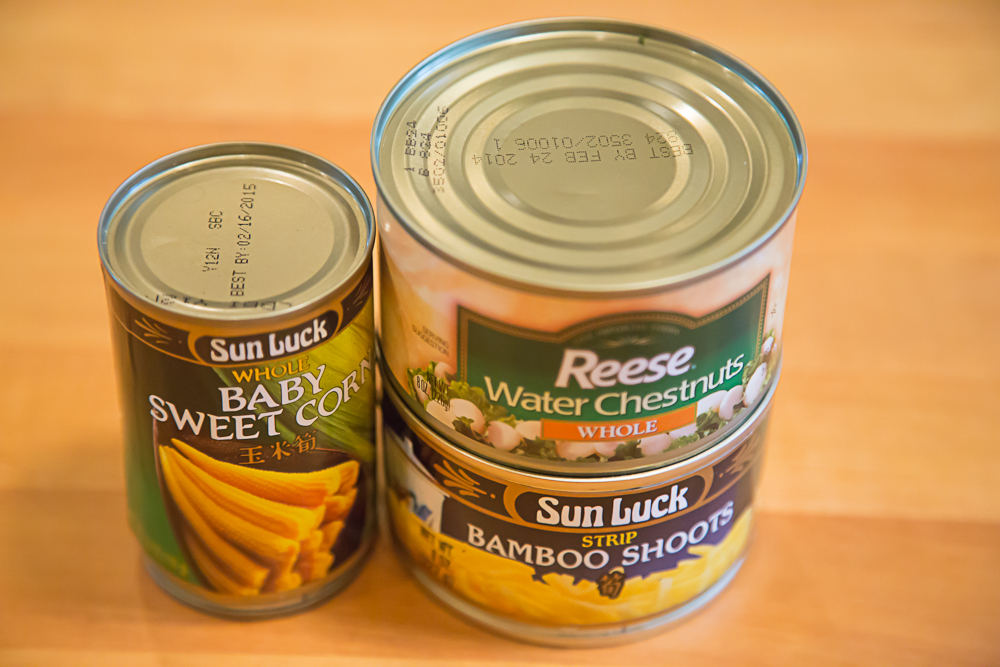
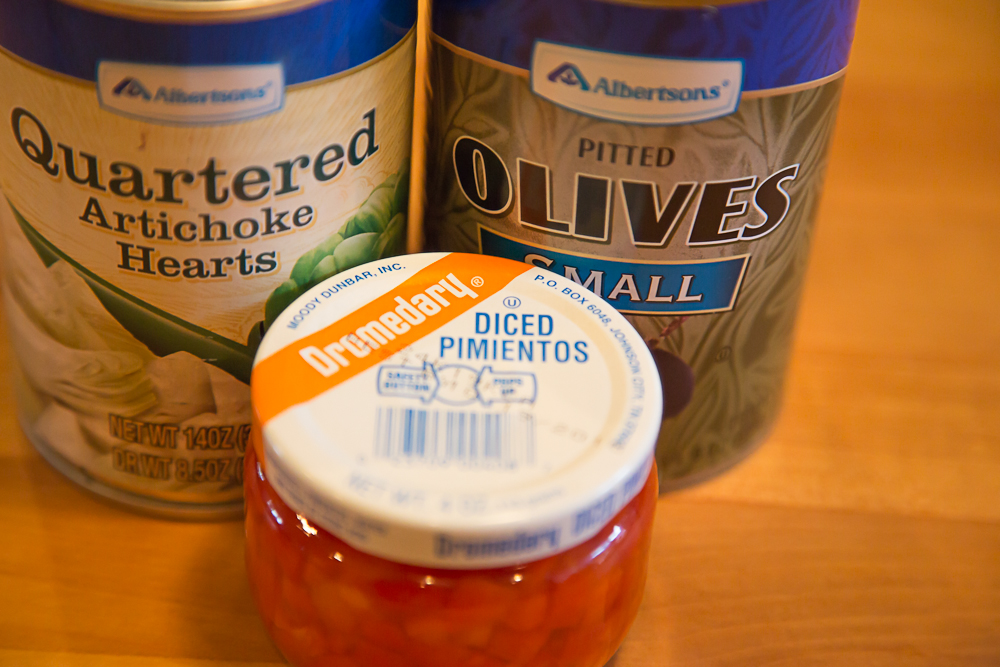
For this version of pasta salad, cook up some pasta, buy some pre-cooked protein (like shrimp, chicken, or ham) and open, drain, and dump a few cans of stuff. Chill or not and you have a refreshing summer meal.

RECIPE

Ingredients

  • 2 cups dried pasta ( farfalle, conchiglie, orecchiette, or fusilli are all good choices)
  • 2 quarts boiling salted water
  • 3 tablespoons olive oil
  • ½ pound peeled and cooked small salad shrimp
  • 14 ounce can medium black olives, drained
  • 14 ounce can quartered artichoke hearts, drained
  • 4 ounce jar, diced pimientos, drained
  • 8 ounce can water chestnuts, drained and sliced
  • 8 ounce can sliced  bamboo shoots, drained
  • 6 ounce can baby corn, drained
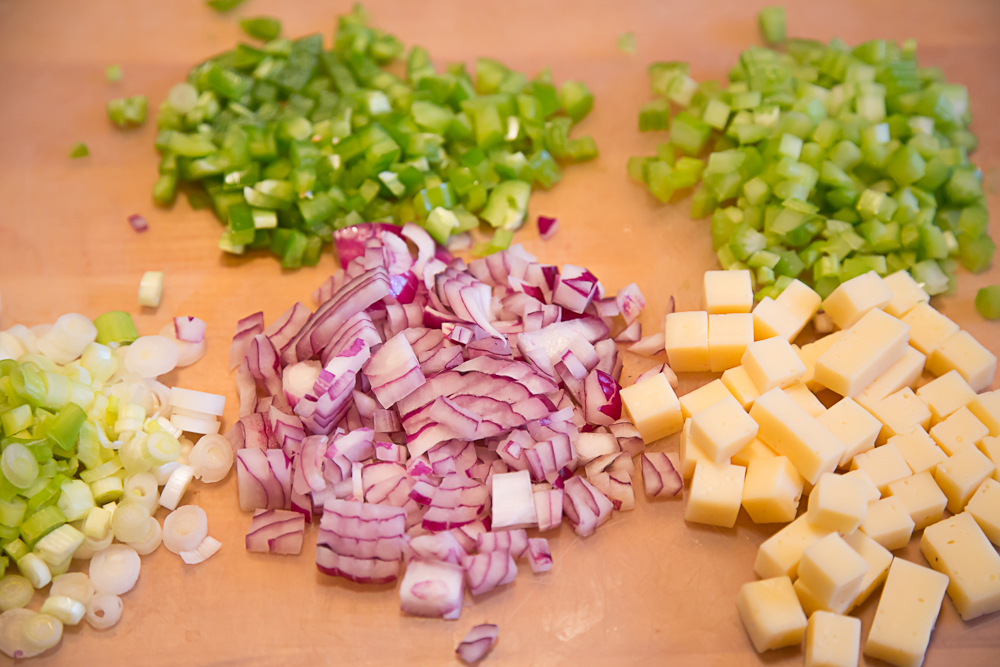
  • 4 ounces Swiss cheese, cut into ¼ inch cubes
  • ½ red onion, diced
  • ½ cup celery, diced
  • ½ cup, green bell pepper, seeded and diced
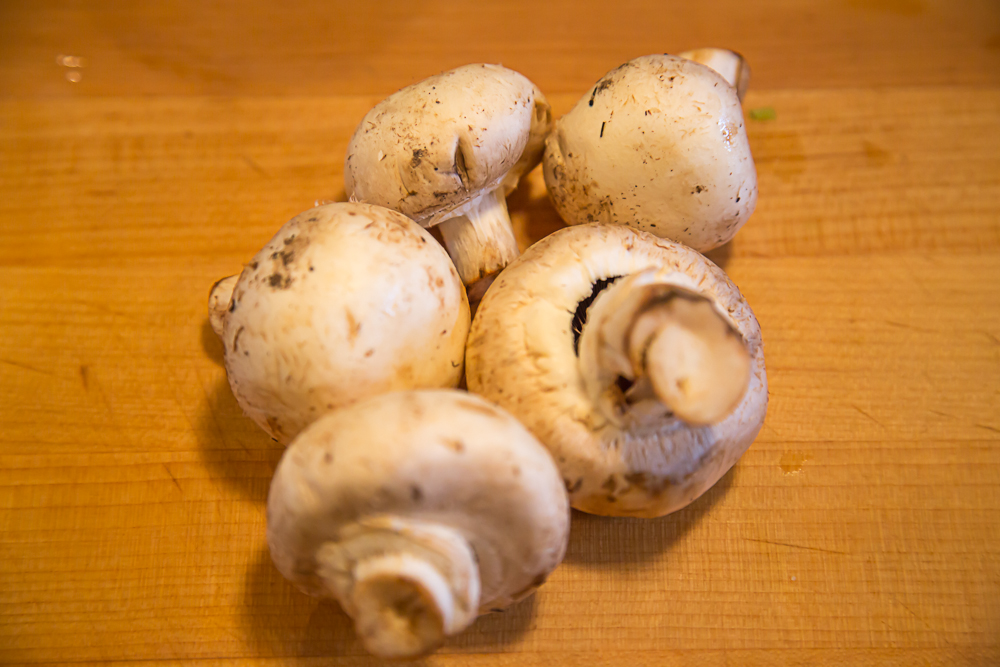
  • 5 mushrooms, cleaned and sliced
  • salt and pepper
  • ¾ cup vinaigrette
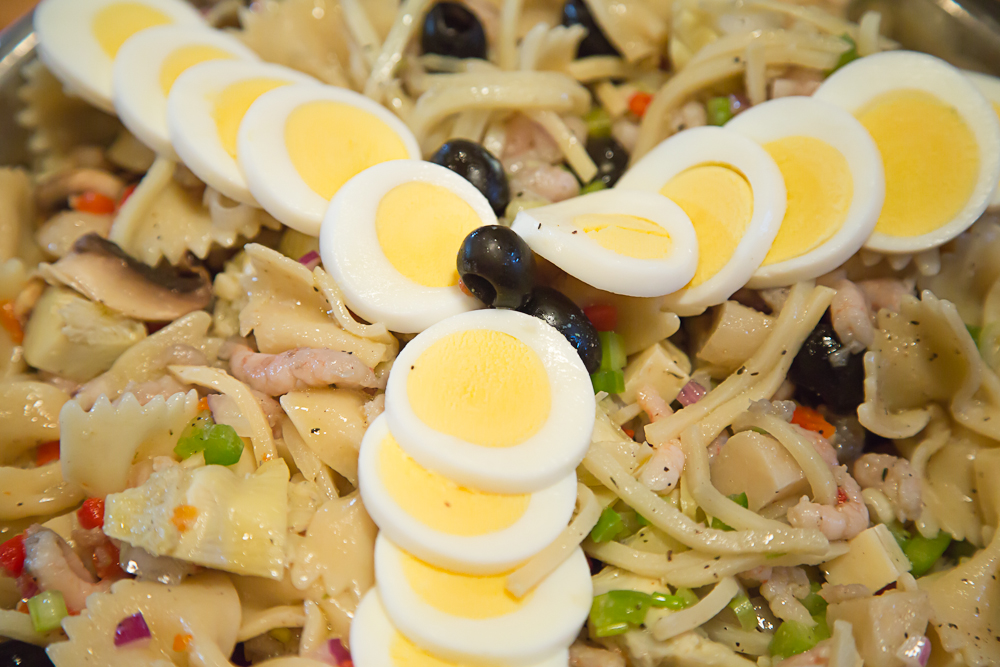
  • 3 hardboiled eggs, peeled and sliced

Method

  • Add the dry pasta to the boiling salted water in a large pot. Return to the boil, stirring frequently, until the pasta is cooked al dente, about 12 minutes. Drain the pasta and place in a large bowl. Coat the pasta with the olive oil
  • Dump the shrimp, olives, artichoke hearts, pimientos, water chestnuts, bamboo shoots, baby corn, diced cheese, red onion, celery,  bell pepper, and mushrooms into the bowl. Mix gently but thoroughly. Adjust the seasoning with salt and pepper. At this point you may chill the salad to serve later or keep it at room temperature to serve immediately.
  • When you are ready to serve, dress with the vinaigrette, combining gently.
  • Arrange the sliced eggs on the top and serve.

1 Comment

Filed under Food, Photography, Recipes

THE BIG DAY IS FINALLY HERE! RICH TABLE OPENS!

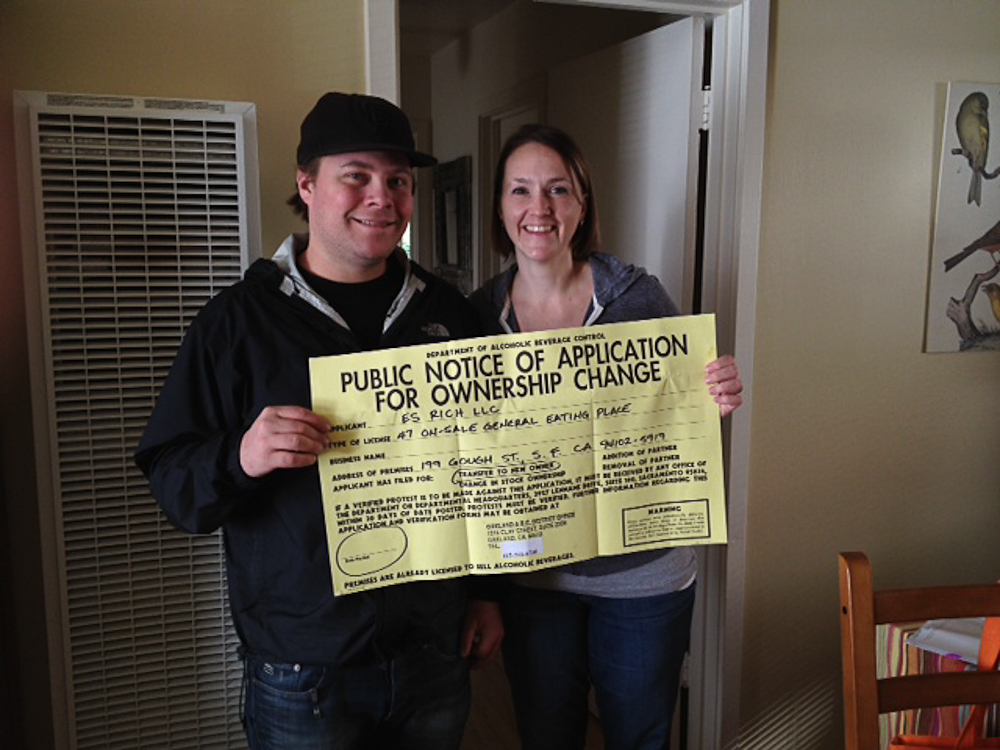
Rich Table opened last night after months of preparation, years of planning, and even more years of goal setting.

Sarah and Van on the doorstep

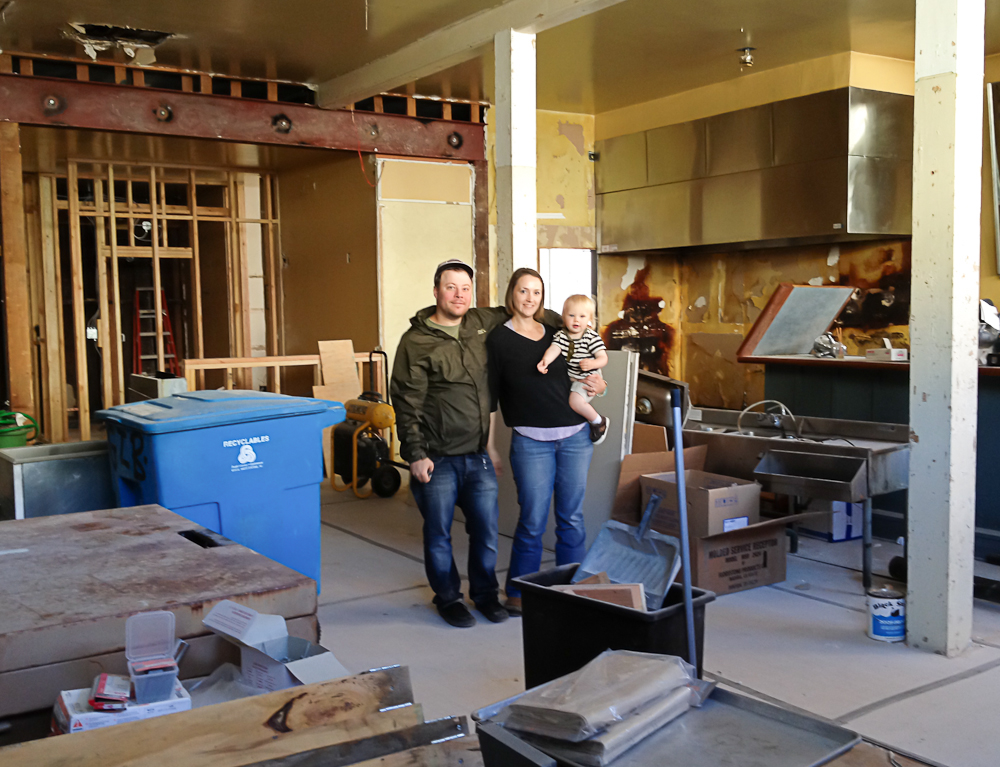
The big push started when Sarah and Evan got the keys to their restaurant space on the first of May. For nearly three months carpenters, plumbers, electricians, Sarah and Evan ripped out walls, moved bathrooms, replaced walk-in refrigerators, and refurbished stoves.  What seemed like an impossible task only three months ago has been completed with a beautiful restaurant and an exciting menu.

Gabe the amazing carpenter

Surrounded by construction

Samples from Maz’s great wine selection

Lots of people supported the effort.  Family and friends  contributed to the Kickstarter Project.  Maz Naba, in charge of the front of the house, has been responsible for developing a unique wine list and some clever cocktails. Said-Jonathan Eghbal, the interior designer, helped Sarah and Evan realize the image they had for the space. Gabe, the amazing carpenter, solved countless construction problems and paid attention to details. Postcard Communications implemented a creative public relations program which included a web site capturing the feel of the space and the food.

“The Beam”

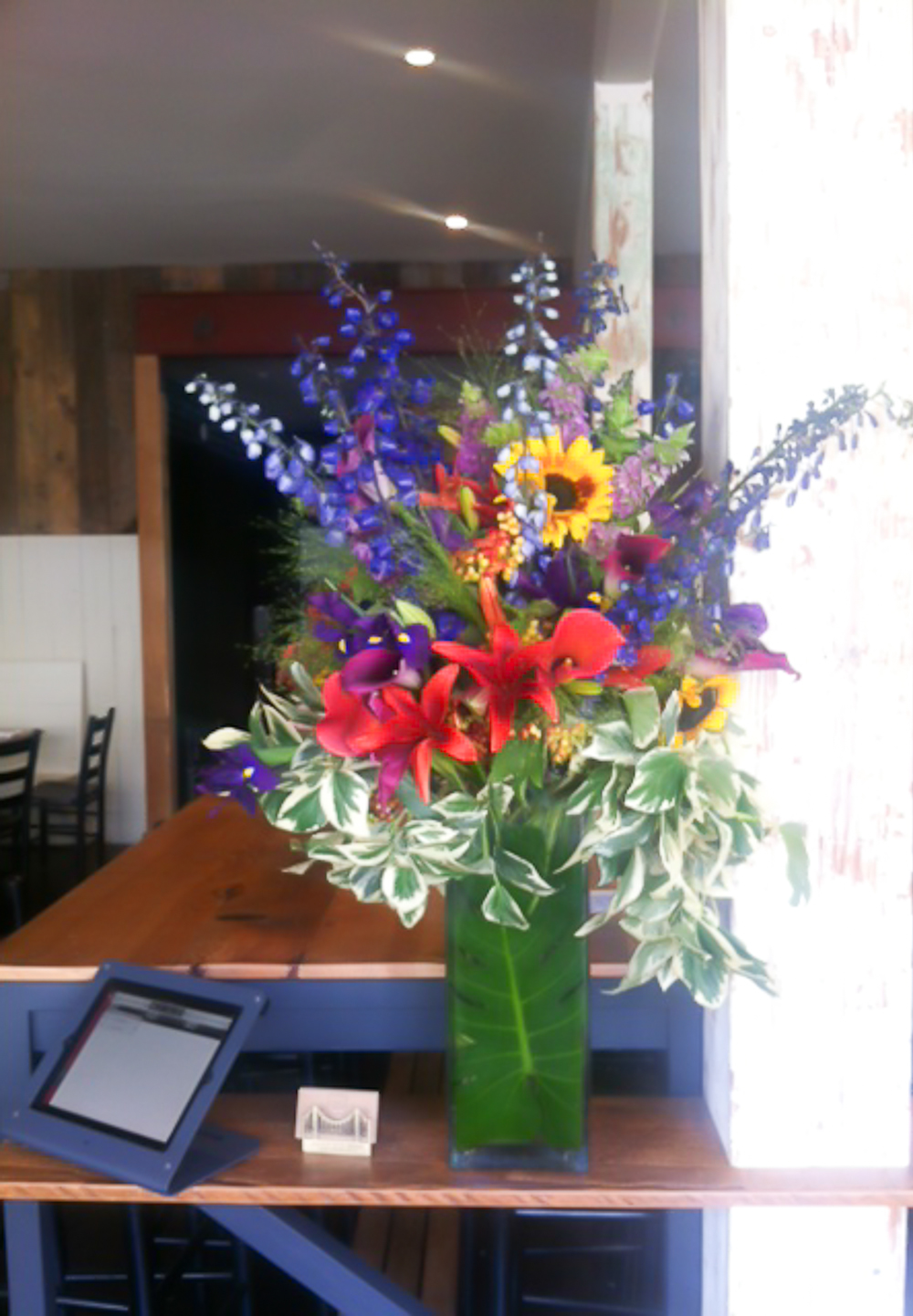
The space is finished. It accomplishes the goal of welcoming the diner in a relaxed but stylish atmosphere.  A huge steel red support beam has become an important part of the decor. The walls are covered  with rustic wood salvaged from an old sawmill. Colors are  muted blues, greens, and wood tones.  Lights hang down from the ceiling on industrial pipes to complete the relaxed environment while tables and chairs pick up the comfortable feel.

Tuning up the kitchen

Sarah and Evan plan to change the menu frequently to reflect the freshest available local ingredients. Still, you can get an idea of what some of your choices might be from a look at their sample menu:

  • wild fennel levain with house-cultured butter
  • sardine chips with horseradish and wild arugula
  • plancha bread with roasted cauliflower sprouts
  • peas, marble potatoes and nasturtium vinaigrette
  • ricotta agnoloti, pork belly, favas, douglas fir
  • duck breast, stone fruit, farro, cress
  • hanger  steak, button mushrooms, piperade, nettles

Unfortunately we couldn’t share in the festivities of opening night, but we plan to visit the restaurant soon.

You can check it out, too

Opening night

Rich Table, 199 Gough, San Francisco, CA 94102, 415-355-9085, richtablesf.com

4 Comments

Filed under Food, Photography, Restaurants

GLACIER NATIONAL PARK – CHAMOMILE AND GINGER PANNA COTTA WITH WILD BLUEBERRY SAUCE

Storm clouds over Lake McDonald

This summer has been one continuous trip. For a couple of weeks, we made the “Grand Tour” of the Rocky Mountain West. I have lived in the west nearly all my life, and we have spent many happy times in Yellowstone, the Grand Tetons, Rocky Mountain National Park,  Zion, and the other Utah parks, but I have never been to Glacier, so we planned this trip with a lot of excitement.

Roadside pool in morning mist

One of the reasons I have not visited Glacier is that it is a long way from just about any place. We spent three full days (twelve hours a day) driving with not many stops in between.

Rapids on McDonald Creek

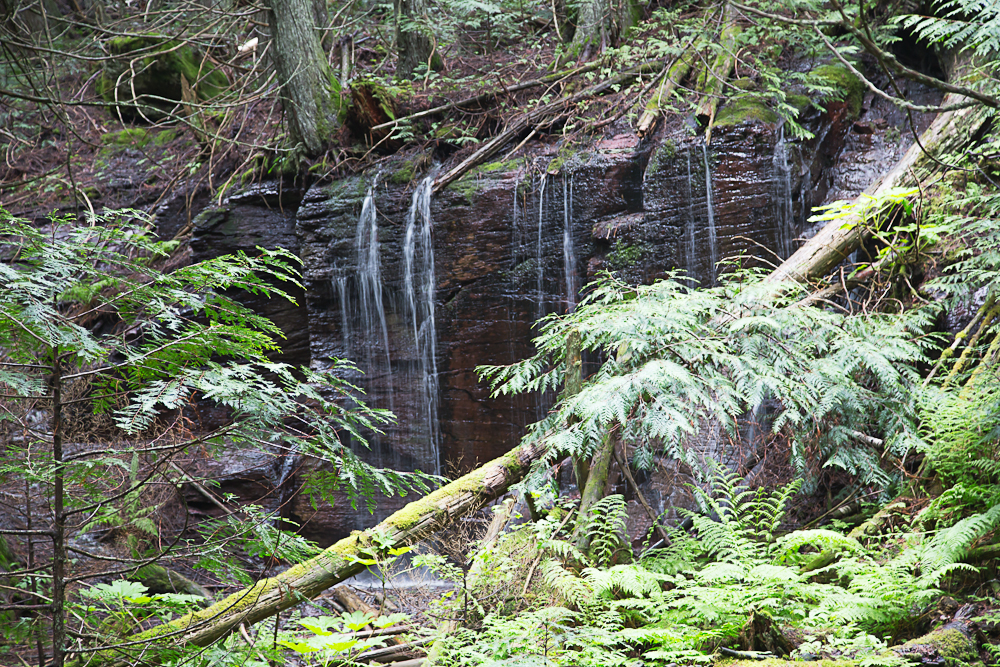
Forest waterfall

All that said, the visit was definitely worth the effort. We stayed in the pleasant but not elegant Village Inn at Apgar at the south end of the lake. Our room was right at the lake’s edge, and we had a breath-taking view of the major peaks of the park. No matter the weather or the time of day, we never tired of the view.

Sunrise over Lake McDonald

The scenery and the wildlife were both spectacular. Even though it was rainy for part of our visit, the clouds and mists added to the beauty. The Going-to-the-Sun Road turned out to be a not-to-be-missed experience. The road is built on a narrow shelf of the cliffs, rising from the valley floor to the summit dividing the eastern and western halves of the park.  There are waterfalls everywhere, glaciers and snow all around, water pouring out of the sheer rock faces of the mountain, and steep-walled overlooks. We were in luck because the road had opened only the day before our arrival. An additional bonus of that timing was that there were not many other visitors. Mountain sheep grazed unfazed alongside the road. Deer and elk could be seen in the forests beside the road.

Butterfly and lilacs

Lilacs were in bloom at our lodging, and butterflies covered the fragrant blossoms.  A short walk nearby took much longer than we anticipated because we kept pausing to admire wild strawberries, beautiful flowers, and the trademark Glacier bear grass.

Bear grass

Not unexpectedly, the most disappointing part of the visit was the food. The first evening we ate at a family restaurant just a short walk from our room. The menu did not look very exciting and I made the very unwise choice of fish and chips. Huckleberries are one of the iconic delicacies of the region, so we shared a huckleberry cobbler topped with ice cream. The huckleberries must have been in short supply because the dish was augmented with blackberries.

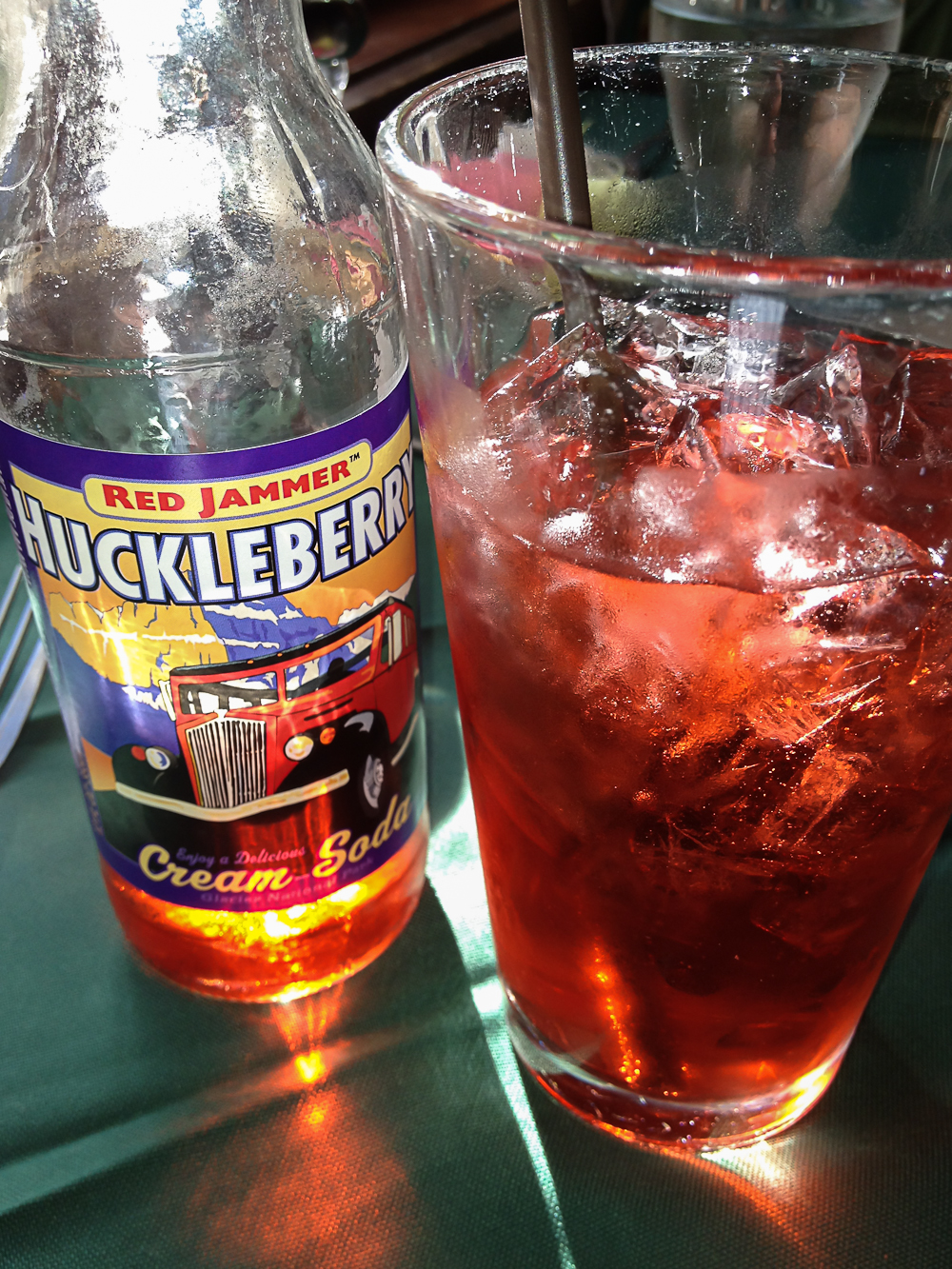
Huckleberry creme soda

Bacon and bleu salad – Lake McDonald Lodge

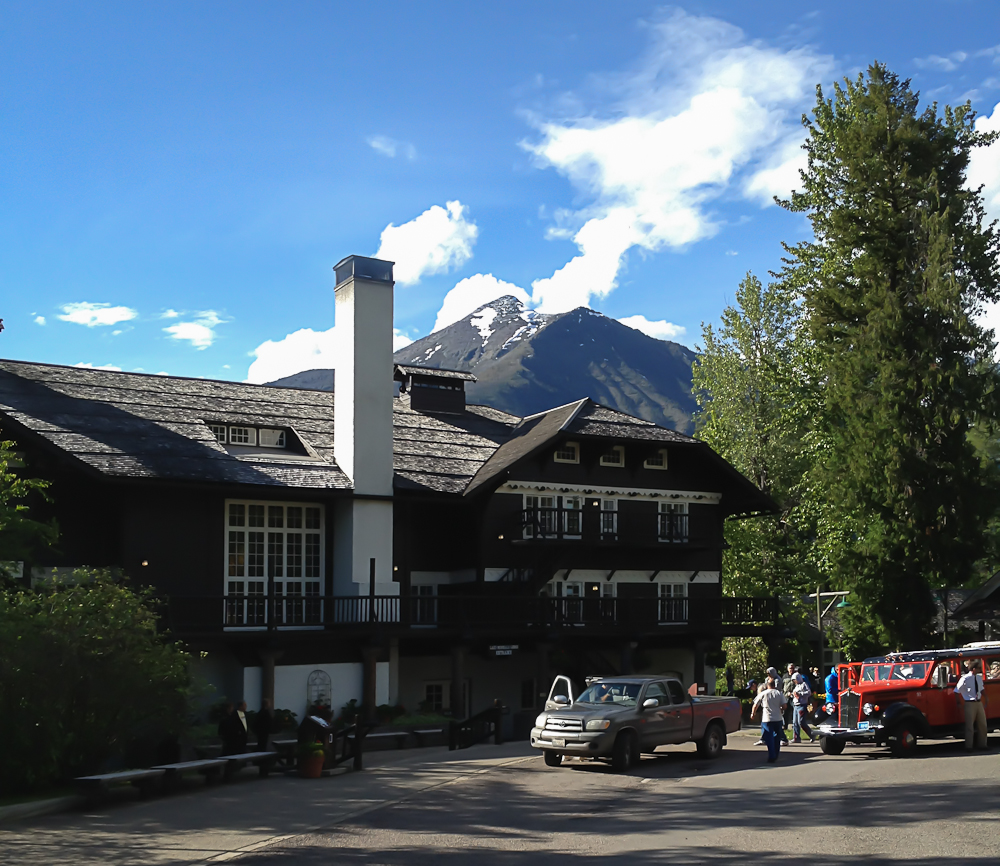
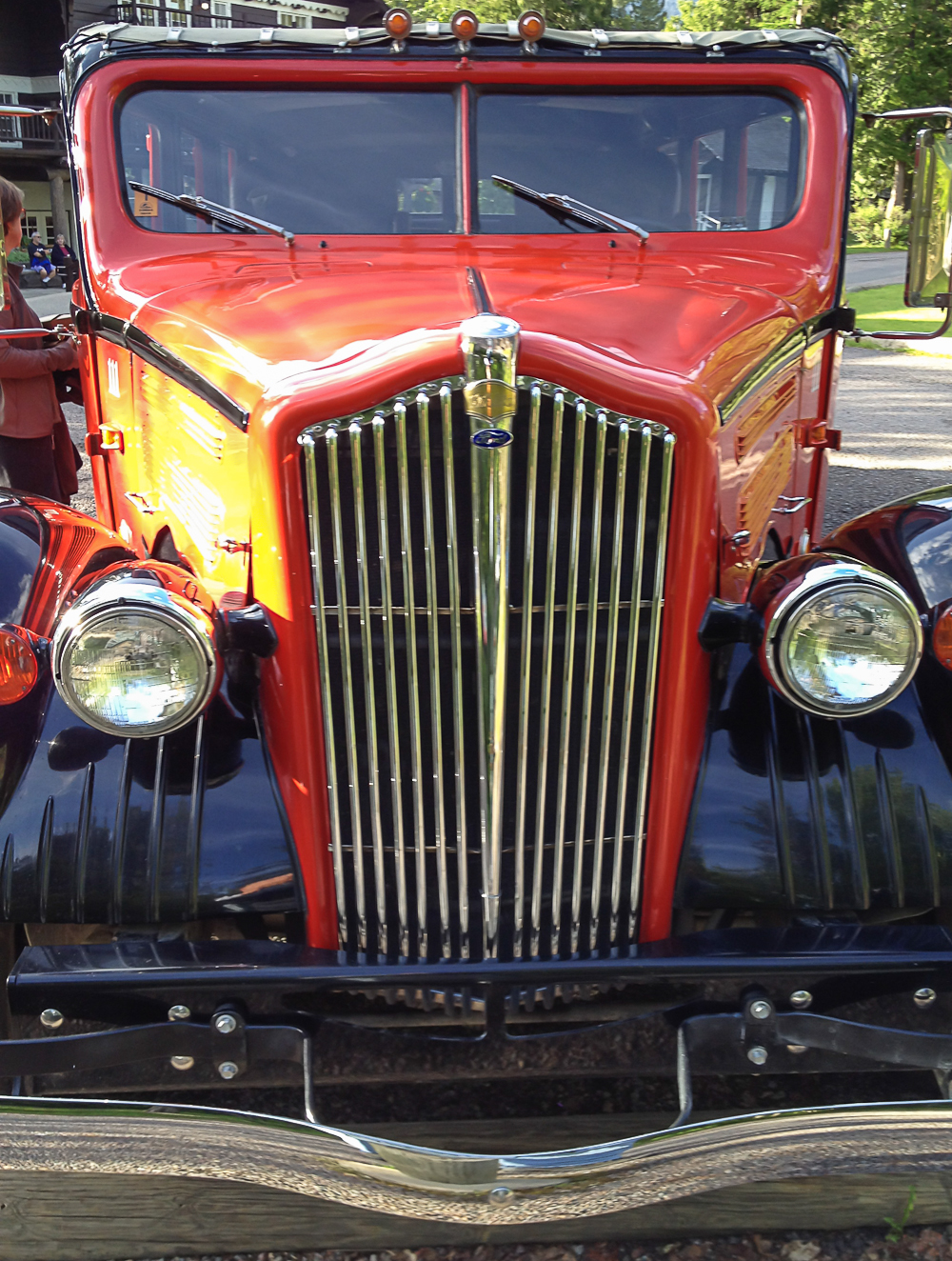
The next evening we ate in the dining room of the historic Lake McDonald Lodge. The setting was beautiful and historic. The food was ok. Perhaps the highlight was the huckleberry cream soda from a bottle labeled with an image of one of Glacier’s famous red buses. The food choices included several made with local game. The salad actually turned out to be quite tasty.

Lake McDonald Lodge

The famous Glacier NP red bus

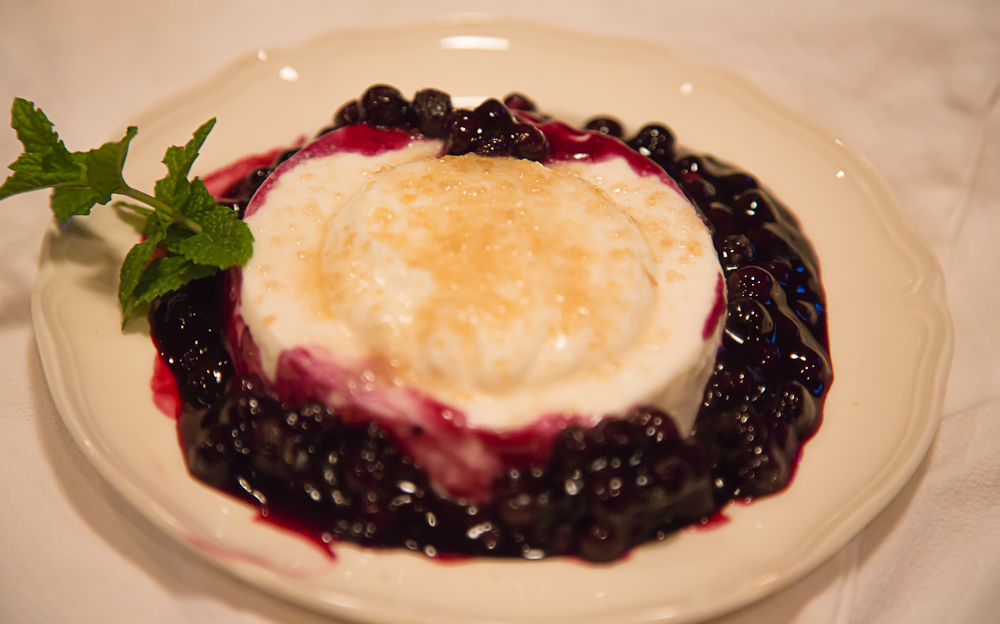
After all of this, I tried to think of a recipe that would capture our Glacier NAtional Park experience. Huckleberries immediately came to mind, but my search in various local grocery stores came to naught. Frozen wild blueberries wound up being the closest alternative I could find. Panna cotta seemed easier and more refreshing than a cobbler, So that’s what ended up being the recipe for this post.

RECIPES

Chamomile and ginger panna cotta

Ingredients

  • 2 cups heavy cream
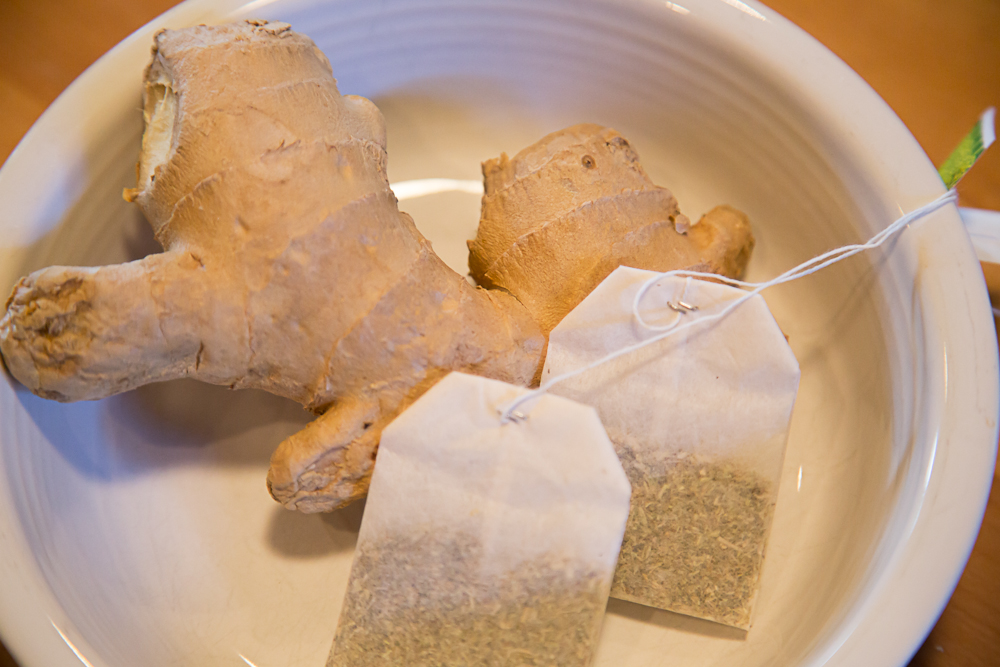
  • ginger root, peeled and cut into five little-finger sized pieces
  • 2 regular tea bags, chamomile tea
  • ½cup sugar
  • ½ cup cold water
  • 1 envelope unflavored gelatine
  • 1½ cups buttermilk

Method

  • Combine the cream, ginger root pieces, chamomile tea bags and sugar in a medium, heavy-bottomed pot. Stir to dissolve the sugar.  Bring just to the simmer over medium-low heat.
  • Lower the heat and steep for about 30 minutes. Remove the ginger pieces and tea bags. If there are little pieces of ginger floating in the mixture, strain. Return to the heat.
  • Meanwhile, place the water in a small dish, sprinkle the gelatine over the surface of the water, and allow to soften for about 5 minutes.
  • Add the softened gelatine to the warm cream and stir until the gelatine is completely dissolved, about 2-3 minutes.
  • Remove from the heat. Stir in the buttermilk, and ladle into 6 6-ounce ramekins. Cover with plastic wrap and refrigerate for at least 2 hours or until the panna cottas are set.

Ginger root and chamomile tea bags

Wild Blueberry Sauce

Ingredients

  • 10 ounces frozen wild blueberries, thawed
  • 1 tablespoon sugar
  • 1 tablespoon corn starch
  • ½ cup water

Method

  • Place the thawed blueberries in a small pan over low heat
  • Dissolve the sugar and cornstarch in the water and then pour into the blueberries
  • Stir the mixture over low heat until the sauce has become translucent and thickened.

Chamomile/ginger panna cotta with wild blueberry sauce, crème frache, and turbinado sugar

Assembly

  • Run a small sharp knife around the edge of each ramekin of panna cotta.
  • Invert the loosened panna cotta over the serving plate and unmold
  • Top with  wild blueberry sauce
  • Add a spoonful of crème fraîche (optional)
  • Sprinkle with turbinado sugar (optional)

4 Comments

Filed under Food, Photography, Recipes, Restaurants, Travel

FAVA BEAN, CORN, AND GREEN PEA SUCCOTASH

Crowds at the farmers market

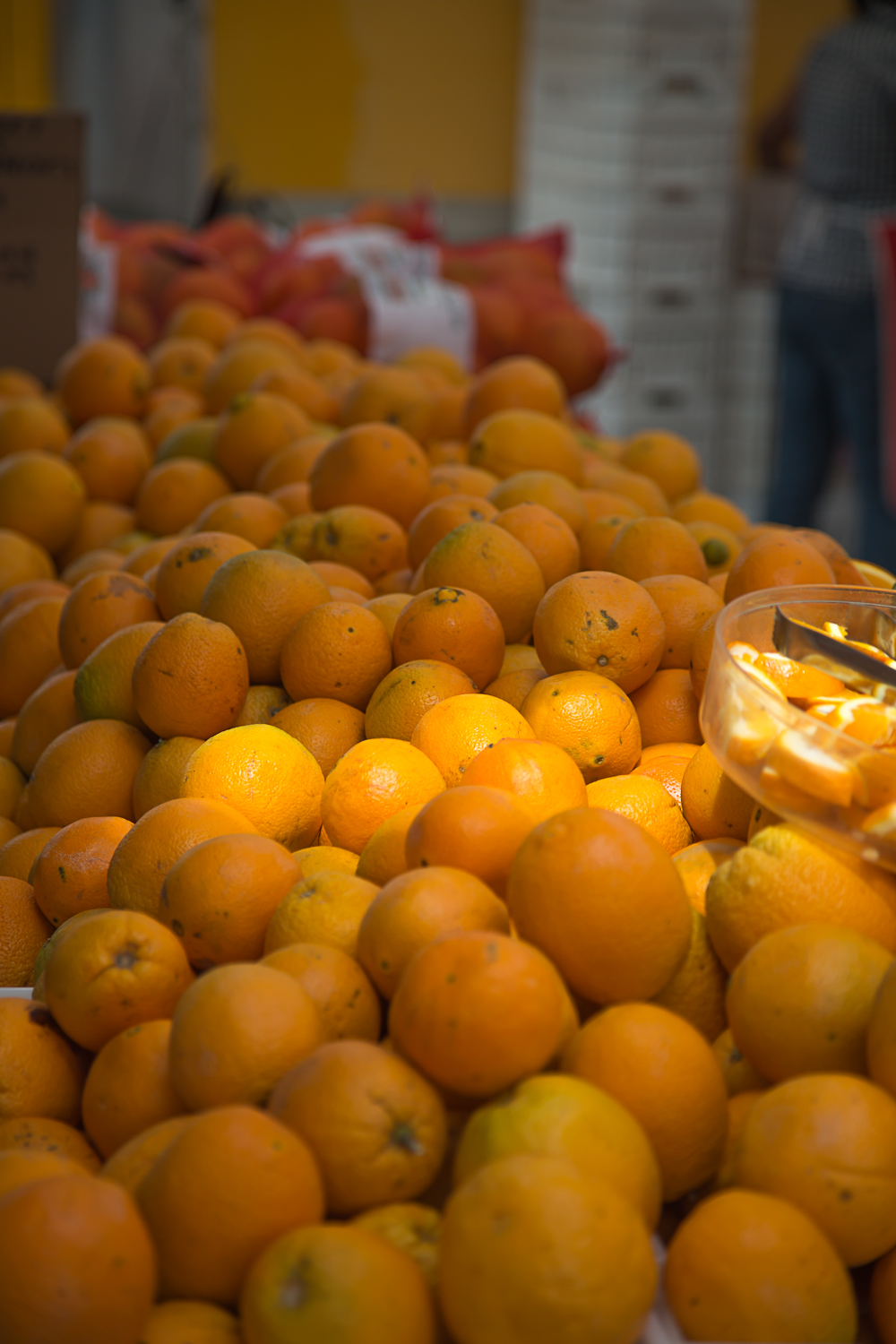
Marin County Farmers Market is sort of the country cousin of the Ferry Building market in San Francisco. Many of the same vendors are at both venues, and you are likely to see San Francisco chefs looking for great products in Marin. The market is smaller than its San Francisco counterpart, but that doesn’t mean it doesn’t have the same excellent selections. Because of the driving distance, there are far fewer tourists so that gives the vendors a chance provide the best products and catch up on what’s going on in the restaurants. Not only is there talk of food but also of family.

Oranges

The market meets Sunday morning on the grounds of the Marin County Civic Center in San Rafael. The Center itself is a Frank Lloyd Wright- designed futuristic building looking like an enormous pink space ship just landed in the parking lot.

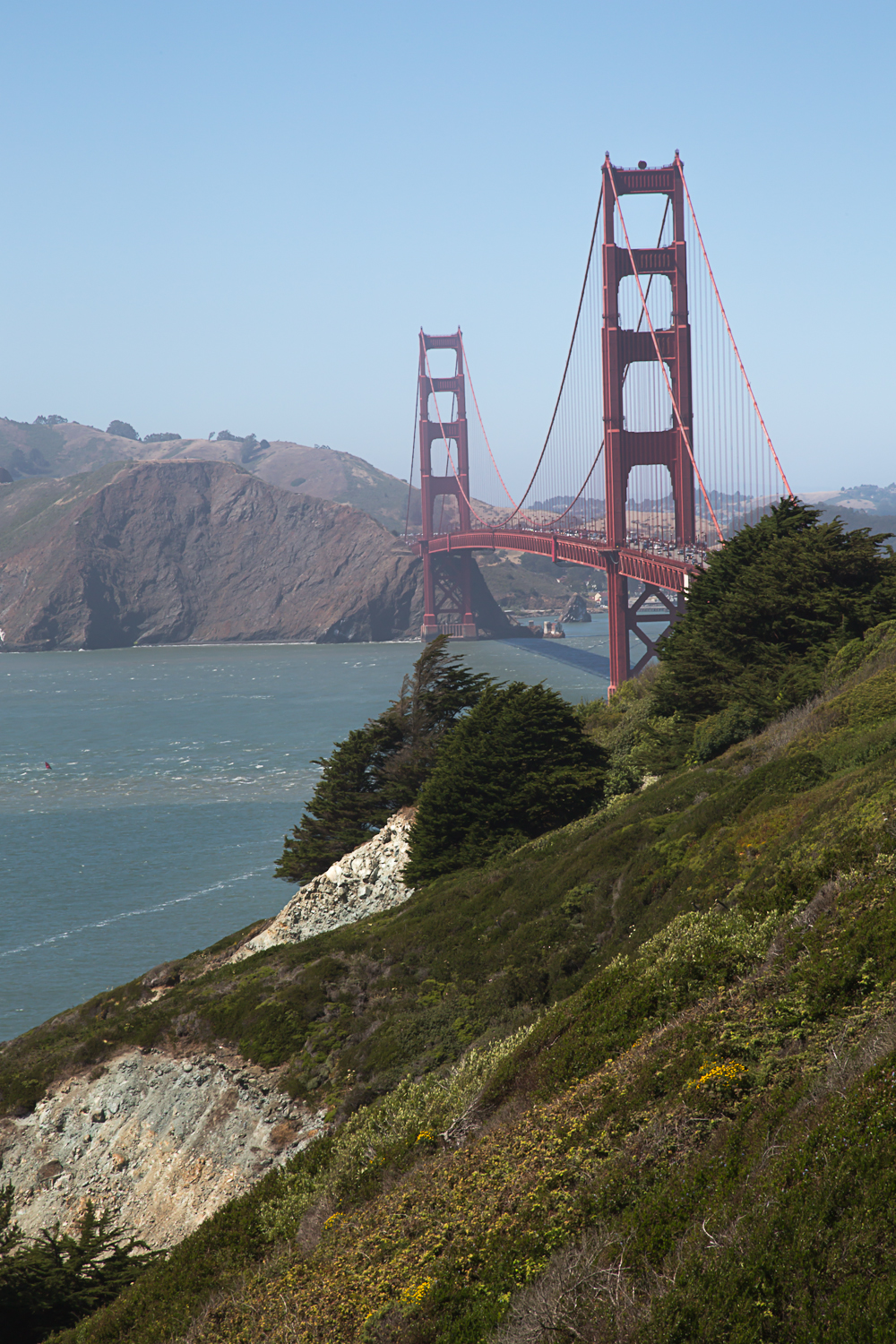
On our last visit to San Francisco we took a Sunday break after a grueling week of restaurant preparation. Our plan was to cross the Golden Gate Bridge, visit the lighthouse on the Marin Headland, and then go to the market for the fixings for our evening meal. Our plans were changed by the heavy summer fogs at the Golden Gate, but the weather cleared completely as we drove inland to San Rafael.

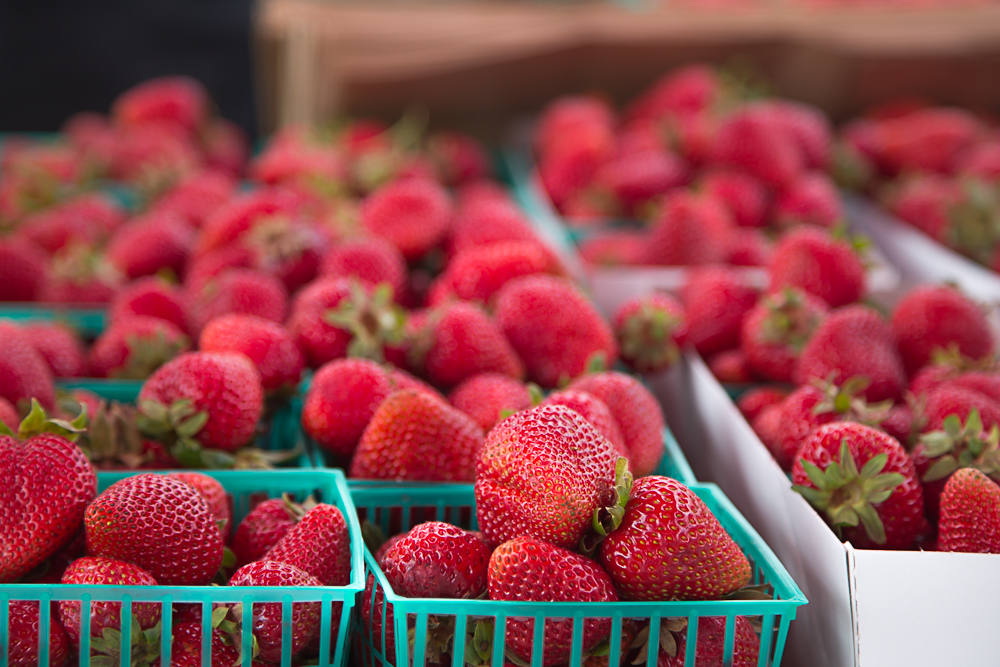
Strawberries

Once at the market, we loaded our grandson in the stroller and started down the long rows of busy stalls. The choices were almost overwhelming. Northern California is becoming famous for producing seasonal sweet strawberries in sharp contrast to the woody flavorless ones which have come to be the standard on supermarket shelves all year-long. Berries were in abundance, so we bought more than enough for desert. Our grandson soon had a sticky red face.

Stone fruits of all sorts. Root vegetables of every color and variety. Then we saw the most beautiful display of fava beans. They were freshly picked, and the pods were thick and completely filled out. Who could resist? We bought a big sack of them.

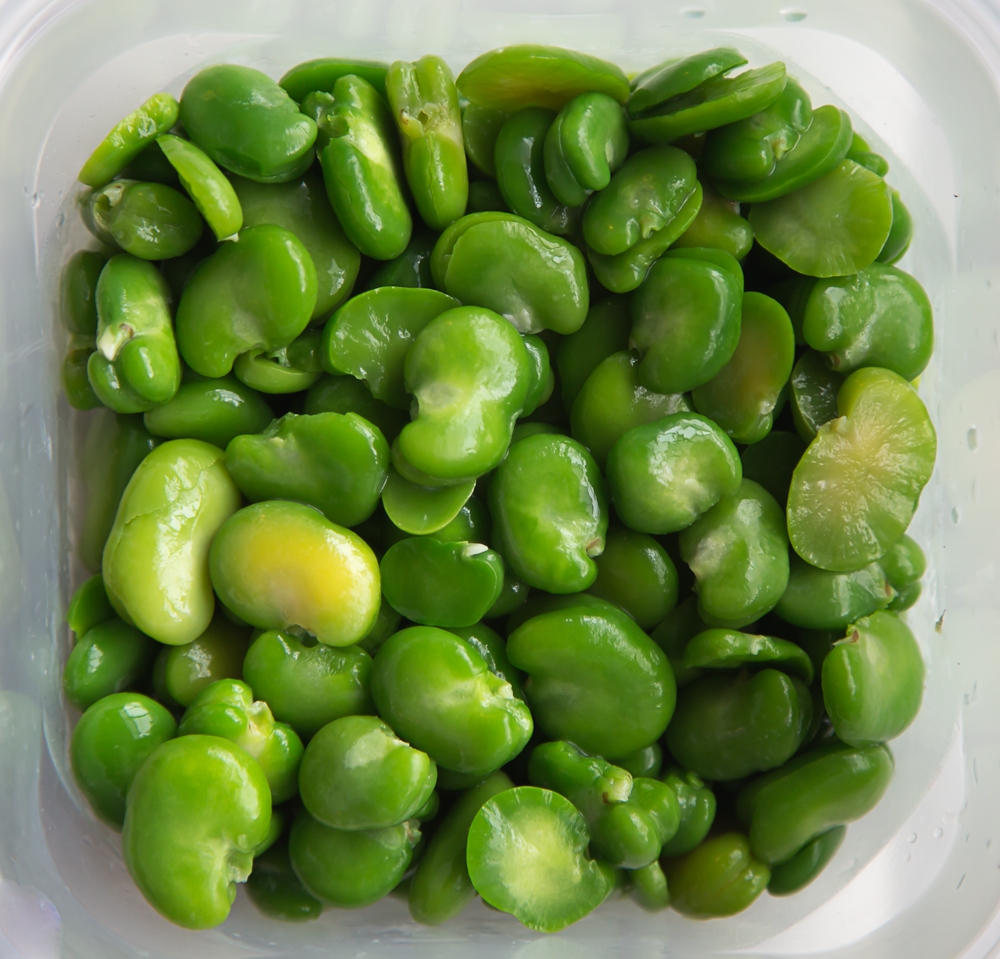
Fava beans

Fava beans shelled and husks removed, ready to cook

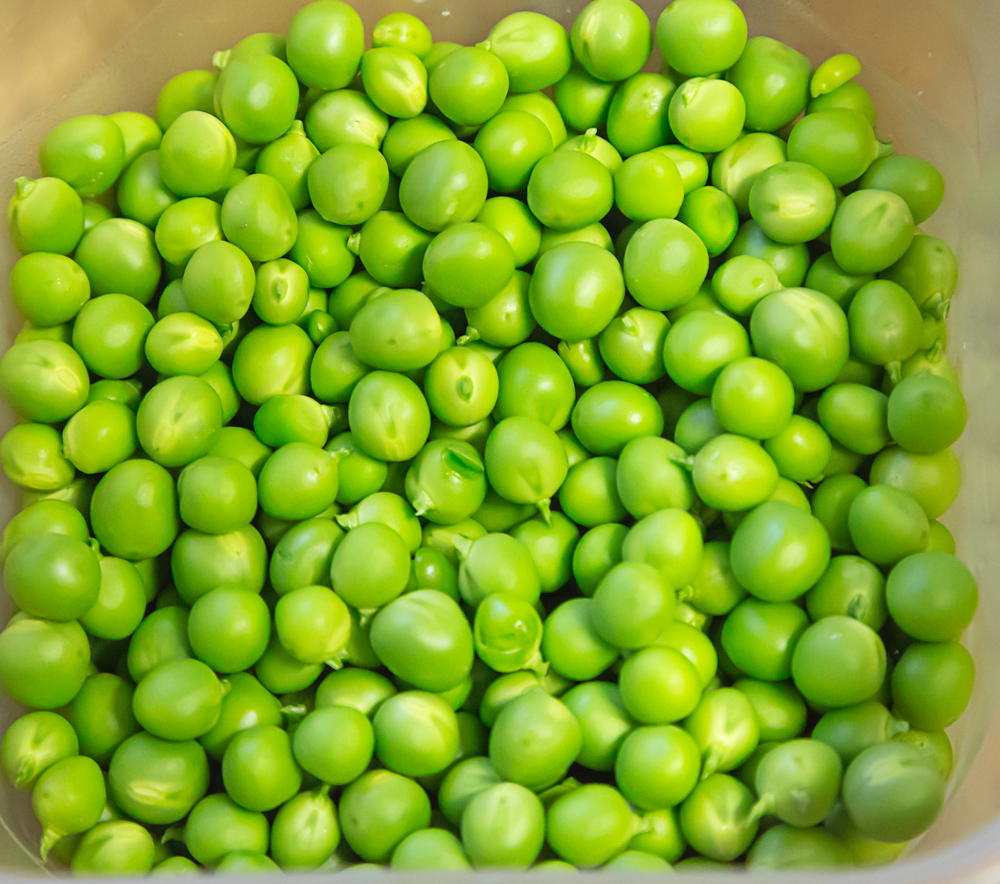
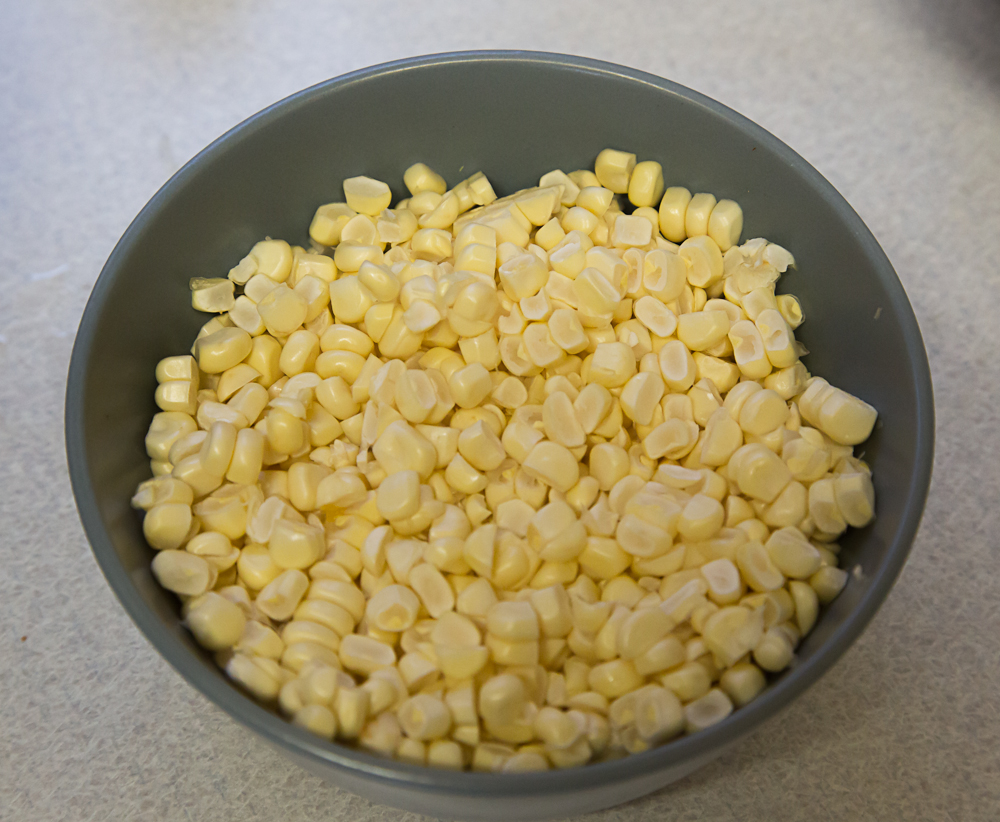
Fresh green peas in the shell and ears of corn were in nearby stalls, so my daughter made an on-the-spot decision to make a succotash.

Green peas shelled and ready to cook

Raw corn kernels

There was a good display of mushrooms, though not the royal trumpets I was hoping for. Nevertheless a basket of cremenis found a home in our bags.

It was surprising to me that the summer squashes were already in good supply, and one vendor had large squash blossoms for sale. Another decision – squash blossoms stuffed with a bacon, squash, and mushroom filling.

Squash blossoms with sepals and stamen removed, ready for stuffing

Stuffed squash blossoms frying

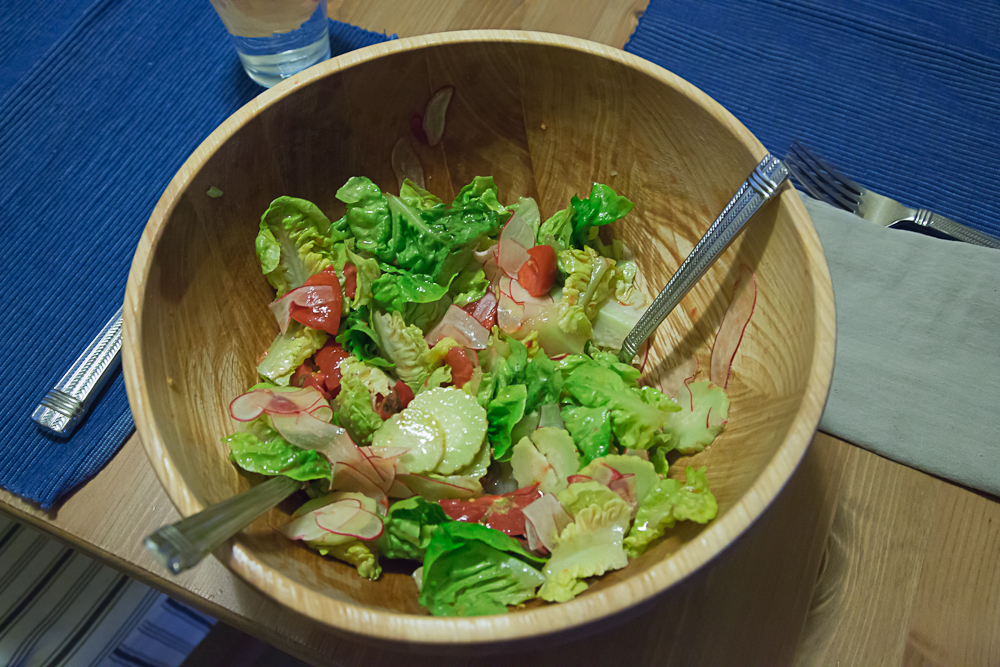
My daughter found an artistic display of Persian cucumbers with their corrugated pale green skin and twisted shapes. Baskets of heirloom tomatoes were not far away, so a tomato and cucumber salad with radishes and leaf greens made the menu.

Persian cucumbers and heirloom tomatoes

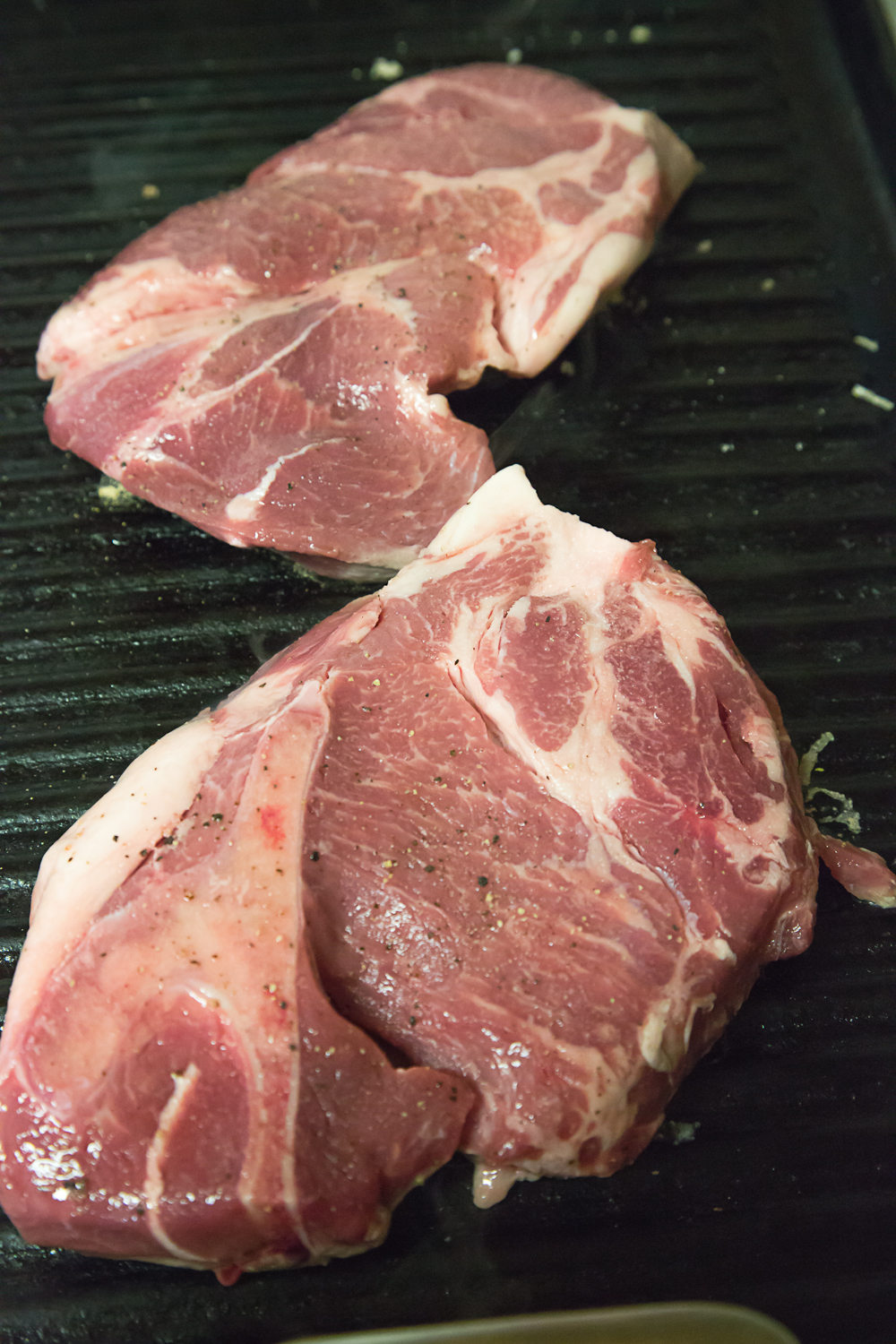
We found some juicy pork shoulders at the Prather Ranch stall, and so my son-in-law decided to grill some.

Pork shoulders ready for the grill

By then the little one had fallen to sleep, and the grownups were hungry. It was hard to choose from all the food stalls: Indian curries, paella, hamburgers, hot dogs, etc, etc. We finally decided on baked-to-order pizzas. After we finished our meal, we loaded back in the car and headed home.

A tired shopper

It had been a successful day, but we were also looking forward to the meal ahead.

Pizza cooked to order at the farmers market

RECIPES

Fava Beans

If you have never had fresh fava beans, you should be aware that their preparation is labor-intensive. You start out with what looks like a huge pile of pods and wind up with a little bowl of prepared beans.  It  is a good idea for the cook to recruit a prep assistant. In this case, that was me. If you have never had fresh fava beans you should know that the reason folks are willing to go to all the effort is that they taste so good.

We started with about 2 pounds of unshelled fava beans.

  • Shell the beans
  • Bring a large pot of well-salted water to a rolling boil
  • Pour the shelled beans into the boiling water
  • Return to the boil for one minute – no longer
  • Drain the beans and chill them immediately in a previously prepared  large bowl filled with ice and water. The salted water and blanching will keep the beans green and not mushy.
  • Chill the beans for at least 15 minutes and then drain them
  • Using your fingers and a sharp paring knife peel off the stiff, translucent husk from the bright green beans, being careful not to crush the beans
  • With a small knife, remove the tiny white sprout from the beans. You can skip this step, but the sprout can give a bitter taste to the beans.
  • Combine all of the husked beans in a small bowl and set them aside for later use

Fava Bean, Grilled Corn, and Green Pea Succotash

Succotash cooking

Ingredients

  • 2 tablespoons olive oil
  • 2 tablespoons unsalted butter
  • 1 small onion, small diced
  • 1 pound  fresh green peas, shelled
  • 2 ears of corn, shucked, cleaned, and kernels cut off
  • 1 batch of prepared fava beans
  • sea salt and freshly ground pepper to taste
  • butter for finishing
  • squeeze of lemon

Method

  • Heat a cast iron skillet over a medium-high flame.  Add the oil and butter and continue to heat until the butter has stopped foaming.
  • Add the diced onion and cook, stirring frequently, until the onion is soft and translucent. Be careful not to burn.
  • Add the green peas and corn kernels.
  • Cook for five minutes, stirring frequently.
  • Just before you are ready to serve, add the fava beans and stir until completed heated through, another 2-3 minutes. If you add the beans too early in the process they may become mushy.
  • Correct the seasoning with salt and pepper. Stir in the extra butter and squeeze of lemon and serve immediately.

Persian cucumber and heirloom tomato salad

The finished plate – ready to eat

With two professional chefs and an amateur but eager prep cook, the dinner came together surprisingly quickly. Things got plated out. We relaxed with a glass of wine. Perfect end to a perfect day. And thank goodness for a modern dishwasher (the electric kind)


1 Comment

Filed under Food, Photography, Recipes, Travel

MOAB, UTAH: DESERT OASIS DESPOILED

On our recent trip to Glacier National Park and Yellowstone we stopped in Moab, Utah with a lot of mixed feelings. Forty years ago when we lived in Utah, Moab, Dead Horse Point, Arches National Park and Canyonlands National Park were our favorite places. We visited them often and as much as we could.  Moab was a sleepy little river town peopled by laid back river rats, denizens of the desert, and a lot of very nice folks.  We really didn’t spend much time in town, though, because we camped out in tents on the desert floor waiting for the sunlight to slice into the canyon making the slick rock and desert varnish shine. We also anticipated the distant morning call of the canyon wren, birds hopping around our camp site, and lizards and snakes seeking coolness under boulders. Exploring Canyonlands required a four-wheel vehicle and an adventurous spirit, but Arches was a wonderland of trails, canyons, and striking rock formations including the name-sake arches. One of our most memorable hikes was up the steep narrow trail to a rock window through which you could see a smooth rock terrace with Delicate Arch perched on the edge of the abyss and the glistening La Sal Mountains filling the horizon.  With a little trepidation you could sit under the arch. We and our small children spent a half day there by ourselves, pleased with our hike and awed by the breathtaking scene.

Since our long-ago visits, Moab has been “discovered” and turned into a Mecca for dirt bikers and river runners. We had heard that Moab had grown and changed a great deal, so we were a little nervous. But we were not prepared for what we found.  The main street had been widened with lots of traffic signals, and the streets were filled with still-shiny four-wheel drive vehicles with expensive composite kayaks strapped on top or $5,000 dirt bikes strapped on back or both. The cars created traffic jams, and one could only wonder why they were in town instead of the desert or beside the river. Above were giant billboards advertising this or that outfitter, and the streets were lined with overpriced motels and cutesy restaurants featuring local specialties like steak and lobster (lobster in the Utah desert??), pizza, tired-looking Italian, and more than one easy-to-forget Mexican restaurant.

We decided to forego Arches because we didn’t want to have our memories destroyed, and we didn’t want to see a parade of people shuffling in lock step up the narrow trail to Delicate Arch in the same way I imagine the current traffic jams on the final pitch to the summit of Mount Everest.

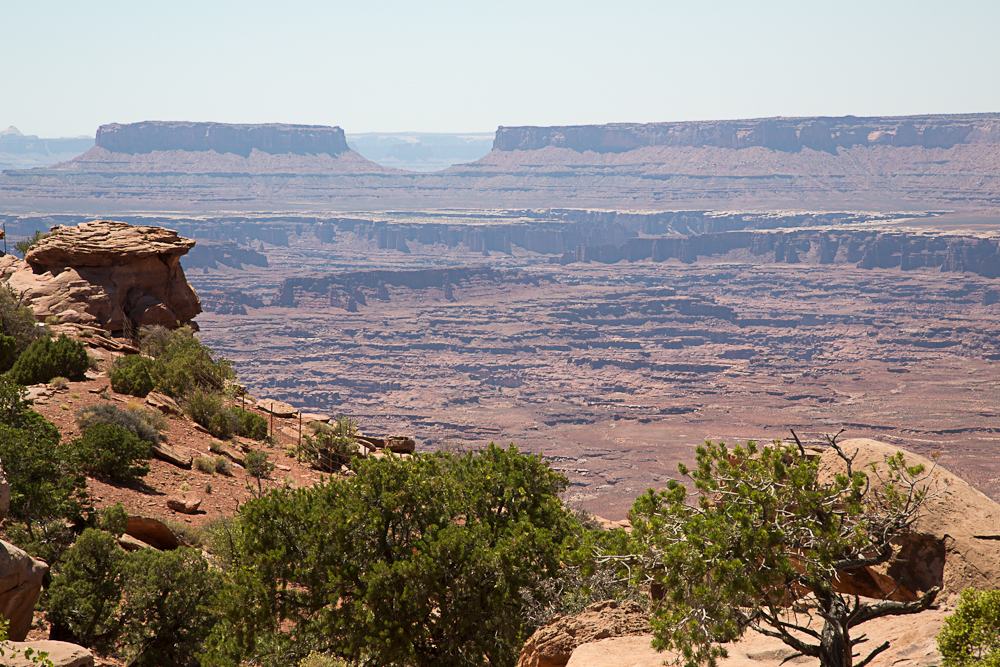
We did revisit two of our favorite places, and we were pleasantly surprised. The twenty-two mile drive to the Big Spring Canyon Overlook in Canyonlands was virtually isolated except for three separate bands of pronghorns. When we arrived at the overlook, there was practically no one else there, and the various hiking trails assured that the few who were there would not get in one another’s way. The view from the rim evoked an uncontrolled gasp, and it just got better as we walked along the edge of the sheer cliff. At one point we could just make out the ridge identified as Dead Horse Point, all the way across the huge chasm created by the confluence of the Colorado and Green Rivers, 15 miles or more away. There is no exaggeration to say the place is as spectacular as the Grand Canyon.

Big Spring Canyon Overlook, Canyonlands

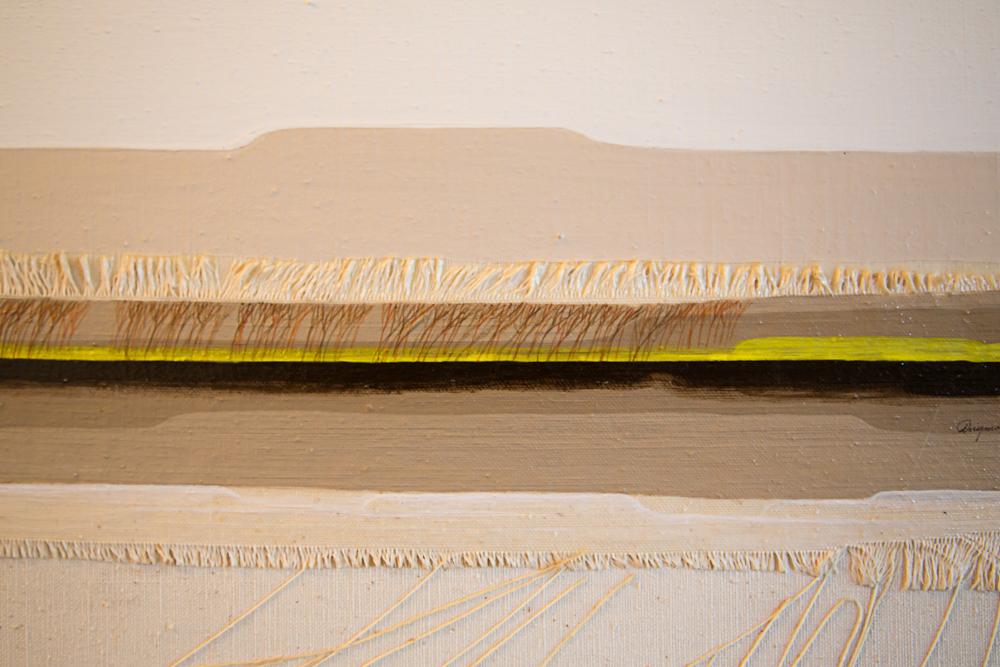
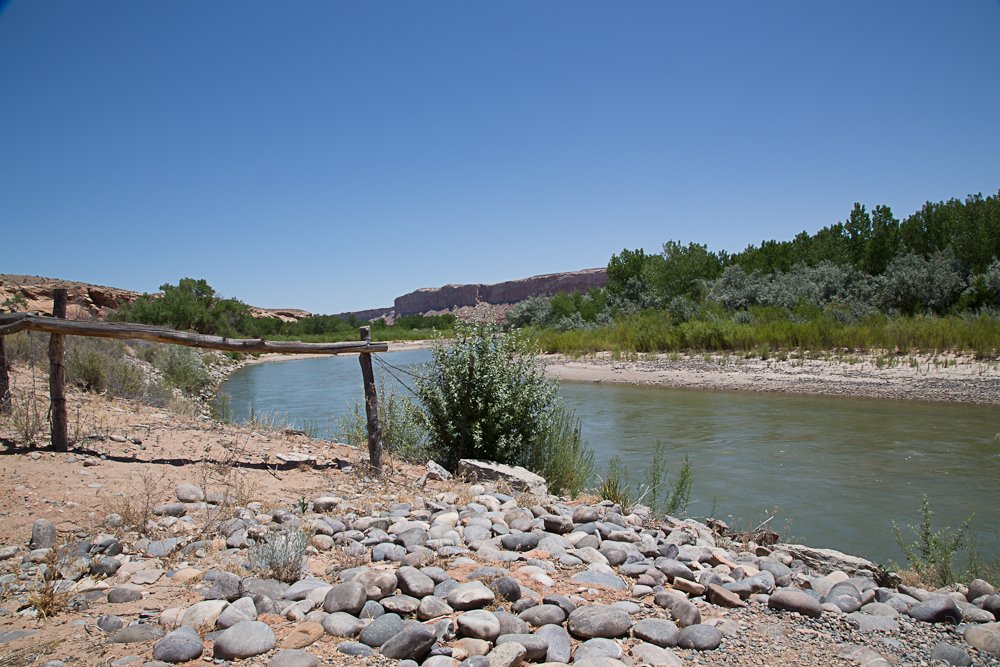
Nearly 40 years ago we made a camping trip along the edge of the river with friends. One of them was an artist who later did a show based upon our trip. A painting of hers remains a prized possession. Here is a detail from that painting in contrast with one of my recent images of the tributary San Juan River near Blanding, Utah.  You can see that nothing much has changed in forty years.

Colorado River by Ruta Dreimanis, 1973. Oil and fabric on masonite (detail)

San Juan River near Blanding

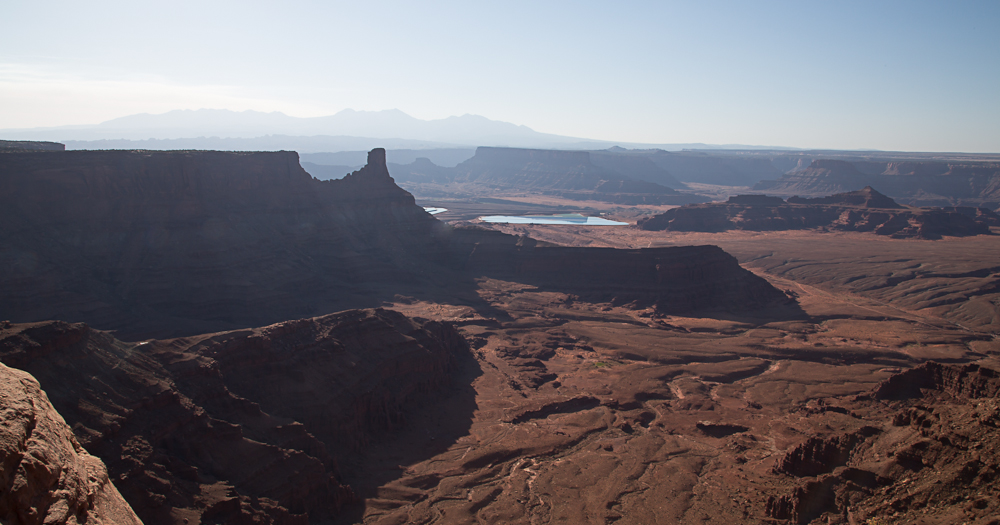
On our way out of Moab, we took a 20 mile side trip to Dead Horse Point, a Utah State Park so-named because of the legend of horses that perished while being constrained to the narrow peninsula by a gate. The park now boasts a modern visitors center, but just a short stroll down a well-marked path gets you away from anyone else. The view inspires another involuntary gasp. Again, nothing much has changed. You can judge for yourself by comparing a painting we purchased from another artist friend about the same time (We still marvel at how or why we paid as much as we did in those days of training) with one of my recent images.

Dead Horse Point by Denis Phillips, 1973. Oil on canvas

Dead Horse Point in 2012

This is mostly a food blog, so I struggled with what to write about Moab food in light of there being nothing of particular note there. Instead I decided to describe the perfect trail-side lunch for a hike in the desert. I have included a recipe for Gorp. No one uses that name anymore because it has been replaced with the term, “Trail Mix”, by aggressive retailers. Be assured, though, that any hiker above a certain age will know exactly what you are talking about with Gorp.

A perfect desert trail lunch including gorp

THE PERFECT TRAIL LUNCH FOR A DESERT HIKE

  •  1 sleeve of saltine crackers
  •  1 tin Kipper snacks
  •  1 can Vienna sausages
  •  1 plastic bag  Gorp

RECIPES

Gorp

Ingredients (you may use any or all, or choose something else of your own)

  • 1 cup salted peanuts
  • 1 cup mixed fancy nuts
  • 1 cup salted pumpkin seeds (pepitas)
  • 1 cup sunflower seeds
  • 1 cup raisins
  • 1 cup M&M candies (CAUTION: under no circumstances use chocolate pieces, as they will melt into a huge mess in a back pack and 105® day temperatures in the desert
  • 1 cup dried apricots (or pack separately)
  • 1 cup dried apple slices (or pack separately)
  • 1 cup rolled oats

Mix together and pack either in a single large plastic bag or in smaller quantities in individual bags

Remember to pack out everything you brought in, like cans and plastic bags, but bring an odor-resistant container for the cans or you will smell like a kippered herring for the rest of the trip. Be sure to then secure the trash in either an animal-proof container or pulled up off the ground on a line until you are ready to pack it out.

5 Comments

Filed under Food, Photography, Recipes, Travel

RICH TABLE UPDATE

We just got back from a week-long visit to San Francisco where we tended our grandson while my daughter and her husband worked overtime to get their new restaurant – Rich Table – open by July 19.

The dining room before any renovations

First-day restaurant owner thinking, “What have I gotten into?”

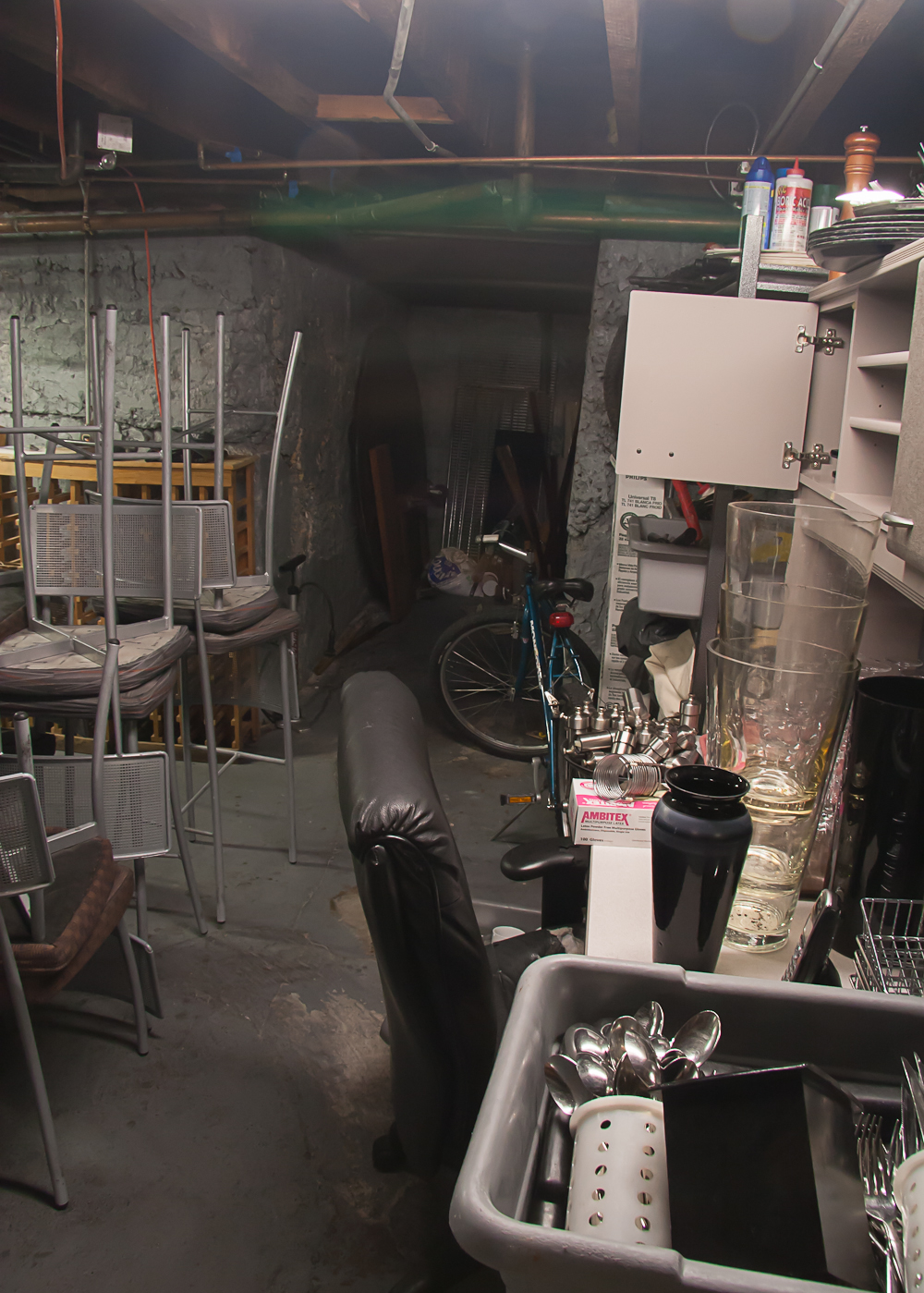
To my wife and me it seemed impossible to believe that they had signed the lease and accepted the keys on May 1 and were planning to be open by July 19. Part of our disbelief was grounded in having been there the day they walked into the space. The previous owner occupied the space for 12 years, and so much of the clutter of over a decade was still around. The restaurant had only shut its doors for the last time the night before, so there were also the leftovers of last-minute meals and unwashed dishes.

Wonder what else is in that scary basement?

The space is in a very good part of the city, close to the performing arts centers as well as the city hall. Still, the space was in  desperate need of a major redo. And that’s exactly what Sarah and Evan did. Walls were torn out, the restroom was relocated so that it was ADA compliant and no longer opened into the middle of dining room, banquettes were tron out, and major cooking equipment, including the range led together with duct tape,  was either replaced or sent out for a total refurbishment. Carpet was pulled up, and lurking beneath was a beautiful hardwood floor just begging to be refinished and polished.  Other discoveries included beautiful wooden pillars hidden behind drywall covers and a great red support beam for the ceiling. An image of the red beam has become a part of the web site home page for Rich Table. Old furniture was out and natural wood tables with classic chairs were brought in.

“The Beam”

After the demolition was completed. the new construction began. Evan went to an old saw mill which was being torn down in Petaluma. He bought several hundred square feet of old barn wood to be used on the walls of the dining room. With the help of their designer, Sarah and Evan put together a new space with soft-colored wooden walls, a gleaming cherry-stained hardwood floor, complementary curtains, and interesting lighting.  The roughness of the wood was softened by welcoming throw pillows at the back of the banquette.

Finishing touches on the community table

The new corner of the banquette

In the meantime, the two remained busy cooking for private parties, trying out some of the dishes they plan to offer on their menu. Their goal is to provide creative, well-prepared high-end food in a relaxed atmosphere without all of the fuss and with affordable prices. A couple of the dishes which will make their menu are shown here.

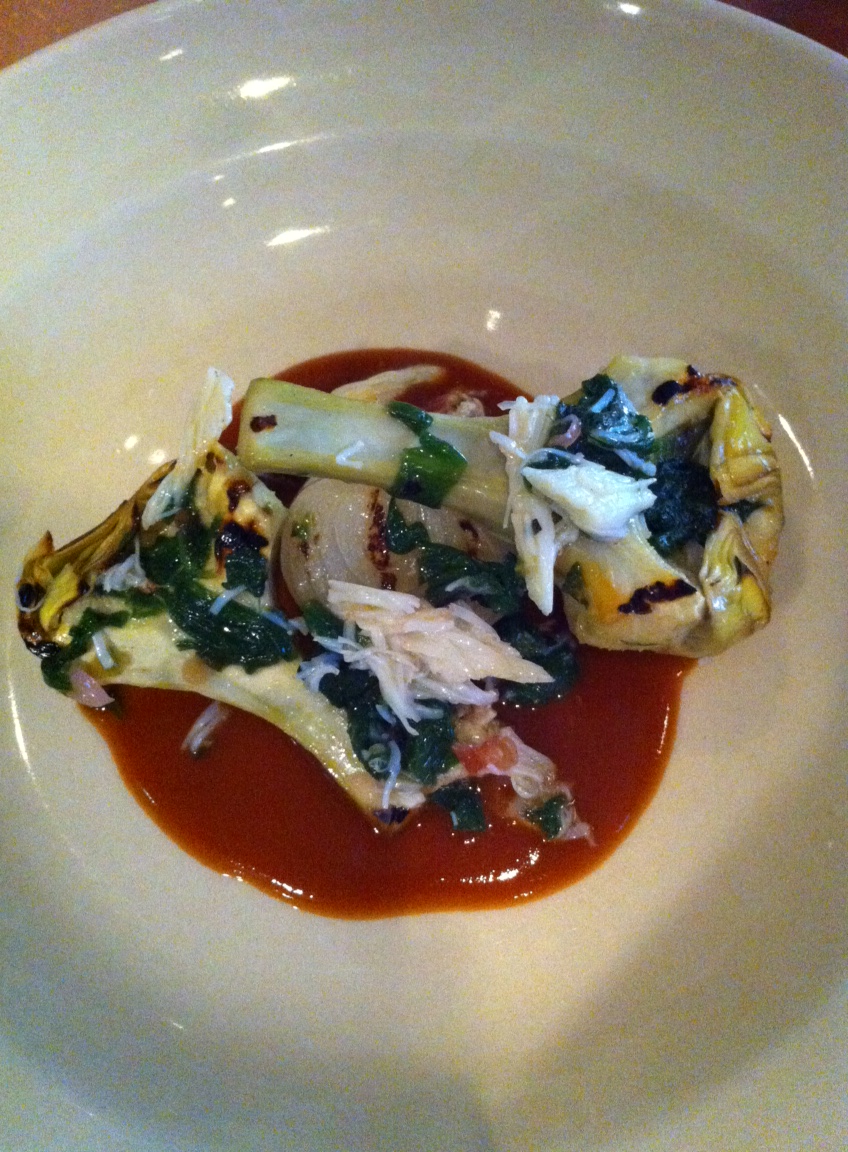
Grilled artichoke and crab bouillabase with ramps

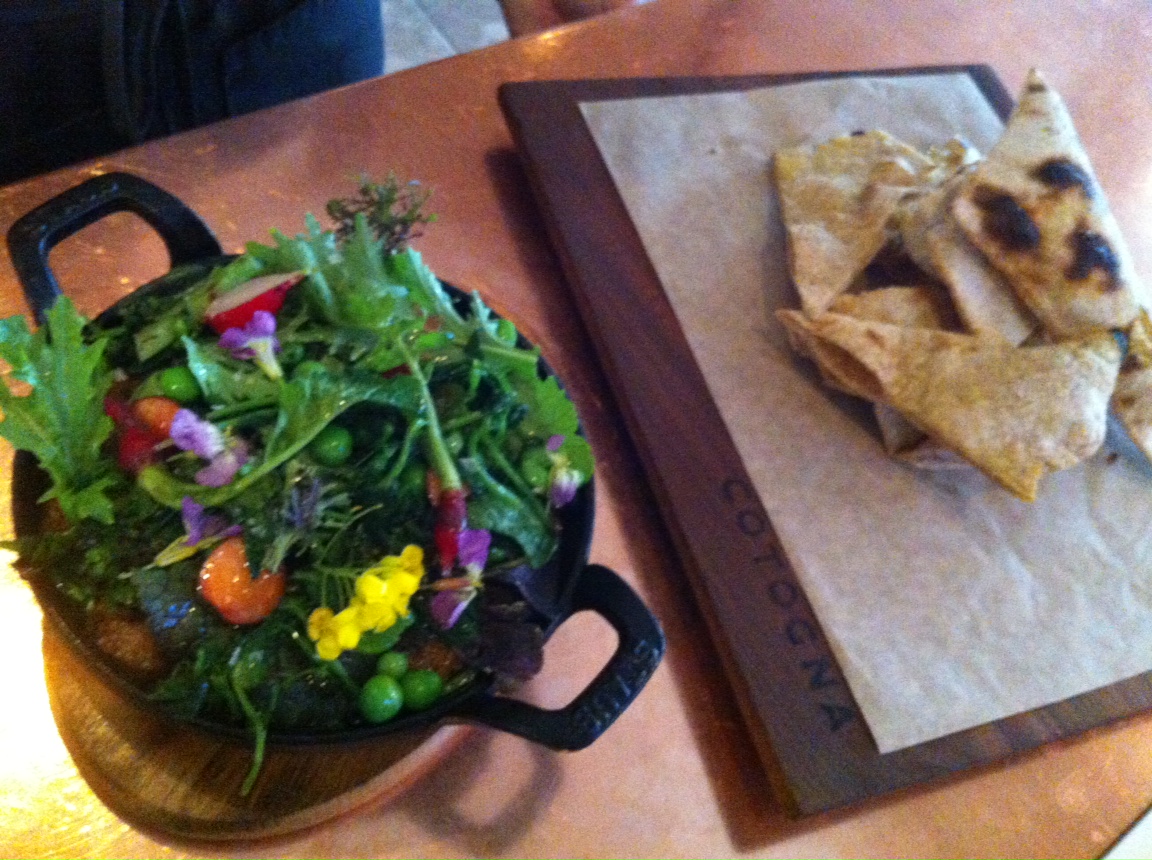
Braised oxtail with foraged spring things and flatbread

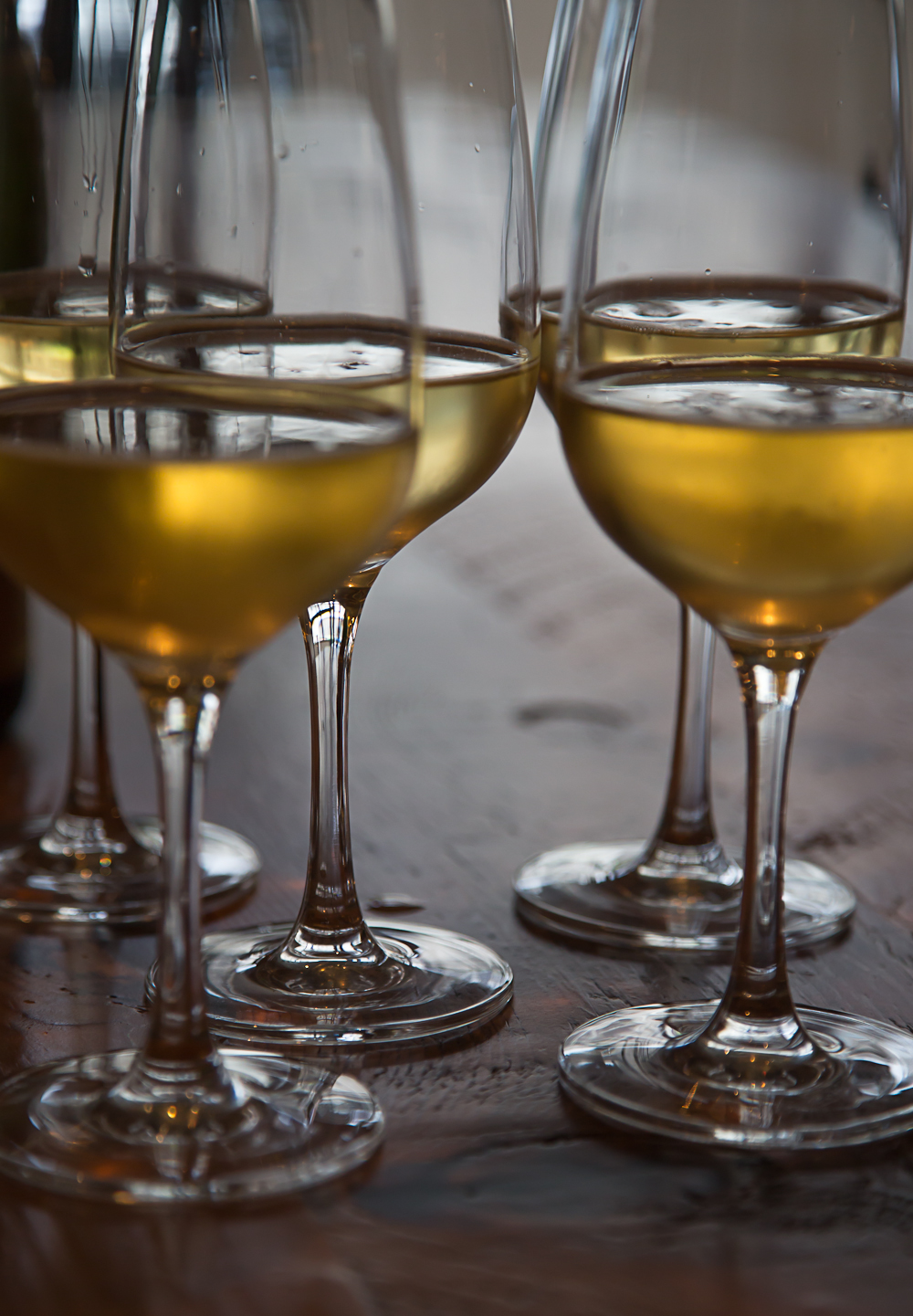
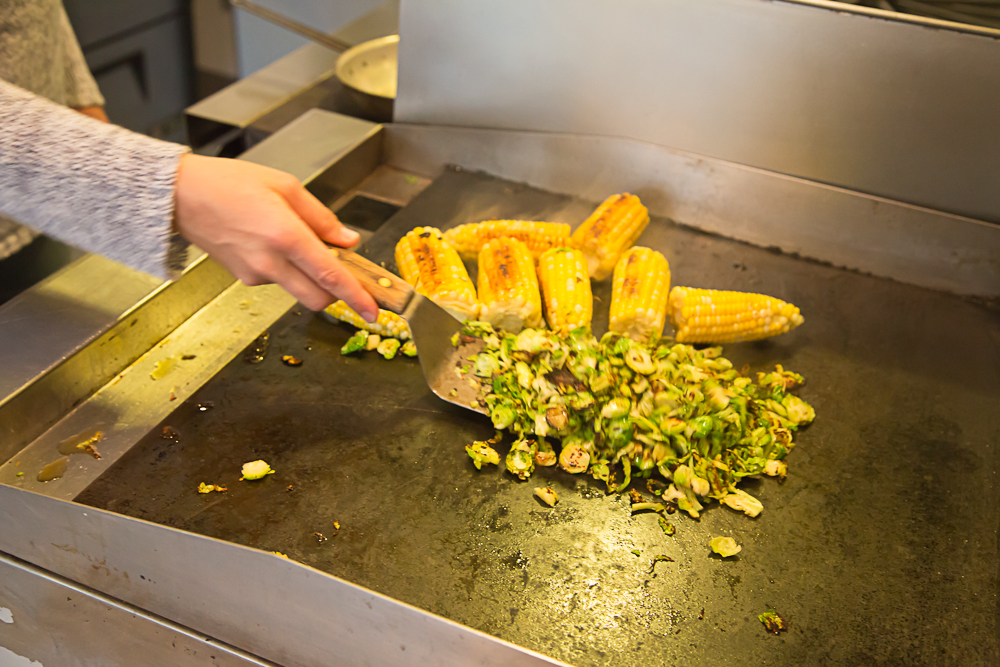
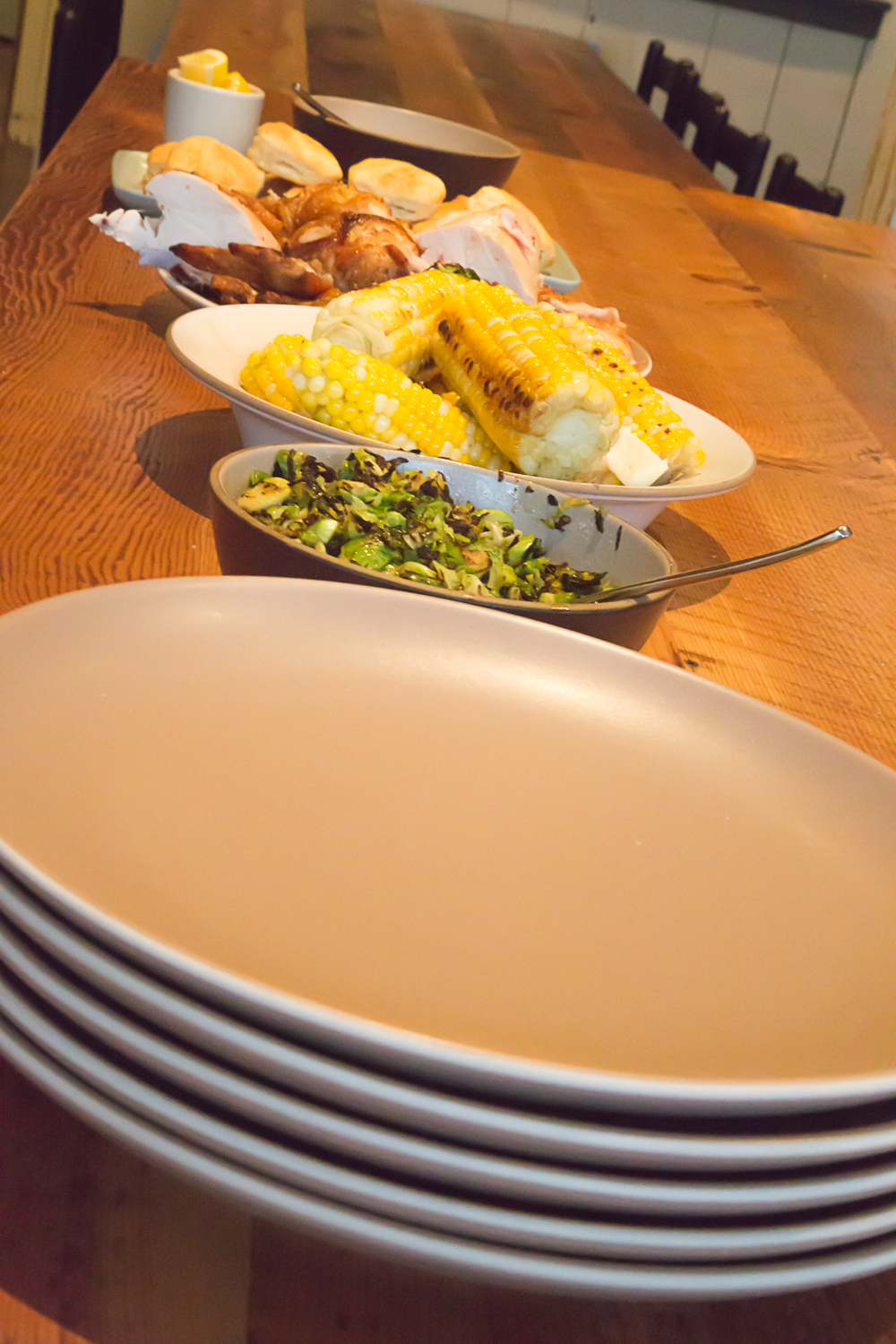
They still have lots of finishing touches to put in place, but the restaurant is close enough to being ready that we wound up having a sort of family picnic. Sarah cooked some of the food at home, then brought it to the restaurant to be finished. Our son joined us from his home in Silicon Valley. After a sparkling wine toast (New Mexico Gruet, what else?) we wound up having a  feast – nothing fancy: roasted chicken, giblet sauce, fresh-baked biscuits, ears of  corn seared on the restaurant plancha, sautéed shaved Brussels sprouts, and a delicious dessert  leftover from a private party: sort of a deconstructed Black Forest cake with rich chocolate cream served between wafers of a crisp chocolate panade and topped with macerated fresh sweet cherries and whipped cream.

The big push now begins. The reservation program is not yet set up, but the plan is for Rich Table, 199 Gough, San Francisco, to be open by the end of the month.

Ready for a toast

RECIPE

Jacques Pepin says that one of the marks of a good chef is to be able to cook a perfect omelet. The other mark is the ability to roast a perfect chicken. Here is Sarah’s recipe.

Oven-Roasted Chicken

Ingredients

  • 1 fresh four-pound baking chicken
  • salt and pepper
  • 6 cloves of garlic, coarsely chopped
  • 1 lemon, halved
  • good handful of your choice of fresh herbs – thyme, rosemary, sage, or tarragon are all good choices
  • ½ cup melted butter (about)

Method

  • Thoroughly clean the chicken, inside and out, with running water
  • Salt and pepper generously inside and out
  • Stuff the cavity with the chopped garlic, cut lemon, and herbs
  • Brush the chicken all over with the melted butter and place in the middle of a heavy, oven-proof pan (cast iron works the best) over a hot flame.
  • Turning frequently and basting as needed, brown the chicken on all sides
  • Move the chicken in the skillet to the middle of an oven preheated to 425º F
  • As it bakes, turn the chicken frequently and baste it with pan juices and remaining melted butter.
  • Bake for about 1 hour or less  or until the temperature of the thigh muscle reaches 165° F using an instant read thermometer
  • Remove from the oven, let rest for about 5 minutes, and then slice into serving pieces while the skin remains crisp.

Grilling corn and Brussels sprouts on the plancha

7 Comments

Filed under Food, Photography, Recipes, Restaurants, Travel