Tag Archives: farmers market

CHILES RELLENOS

Visitors to Santa Fe usually think of it as a visual place: the clouds and mesas that so enchanted Georgia O’Keeffe, the ancient adobe buildings around the Plaza, and the color of a fiesta. There are also sounds: the quiet of a December snow, crashing thunderstorms in the middle of summer, and the calls of geese and cranes flying overhead in the spring and fall. But Santa Fe is every bit a place of wonderful smells: lilacs pushing over an adobe wall in the springtime, the smell of a winter’s piñon fire burning in a fireplace near the Plaza. This time of year, the smell is of green chiles roasting. It is a fragrance like no other, and once you experience it, you never forget it.

Chiles have been growing during the hot summer throughout the state. Perhaps the most famous chile crop comes from Hatch,, but there are also bountiful sources in Chimayó and Socorro along with many a back yard.

All sorts of chiles at the farmers market
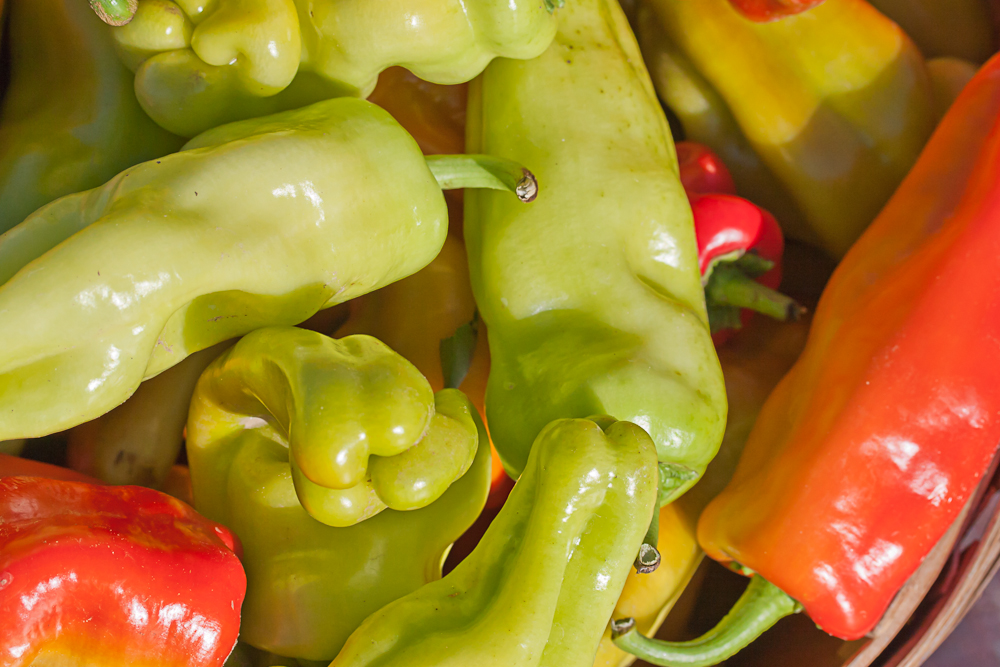
Chiles

When the chiles are ready for harvest, they are loaded into big gunny sacks and taken by truck all over the state. In Santa Fe, growers set up stalls throughout the city where they roast the green chiles on the spot in a revolving metal mesh drum over a blazing butane flame. The tough outer coat of the chiles is charred in the process so that it can be peeled off in preparation for cooking. The roasting creates a pungent, unmistakable smell that fills the air.

The farmers market also boasts chile roasters who make the festive environment even more vibrant.

Chile roasting at the farmers market
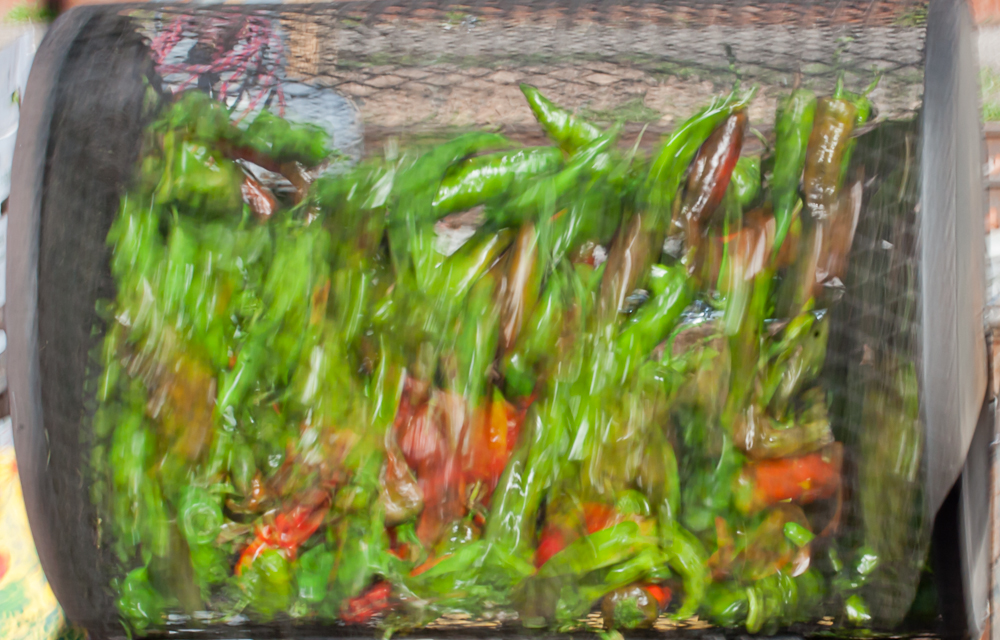
The spin of the chile roaster

The buyer can get a whole gunny sack full of roasted chiles or even a small plastic bag. Then the task is to take them home, peel off the charred skin, and either cook or freeze them for the winter ahead.

If you don’t need a green chile supply for the whole winter, you can even do them yourself on the barbecue or, better yet, on a special device made of metal screen and designed to sit over a gas flame. The device is indispensable for the Santa Fe cook. One can be ordered from the Santa Fe Cooking School.
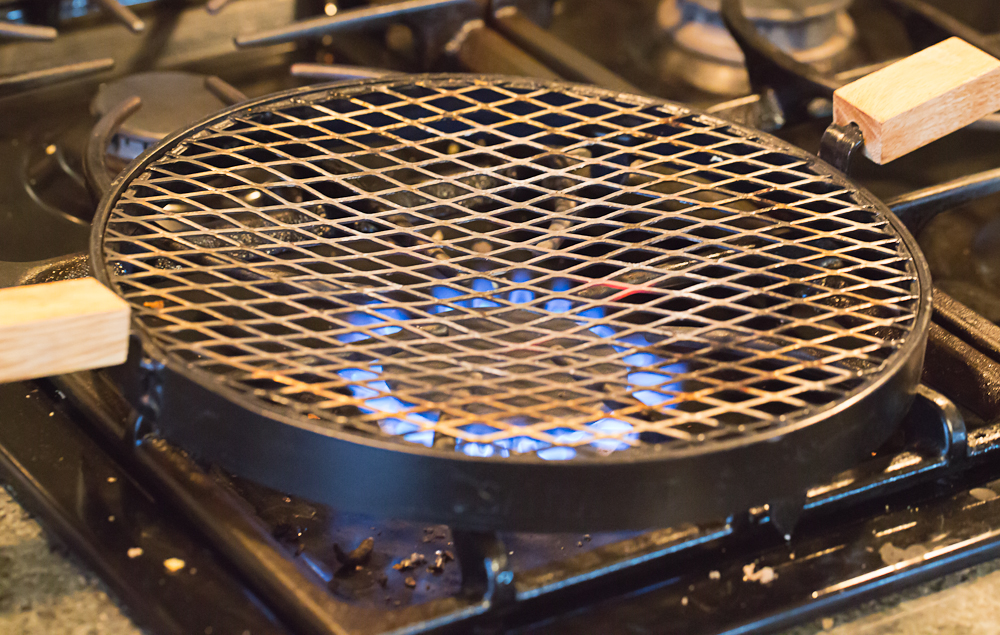
Chile roasting pan

Roasting chiles

Roasted chiles resting in plastic bag before peeling

Green chiles wind up in just about every Santa Fe dish you can think of, including ice cream, but probably the most popular dishes are green chile stew, green chile cheeseburger, and my favorite, chiles rellenos.

Making a chile relleno is an act of love  because the preparation takes a lot of steps, and the chiles have to be eaten immediately. A leftover chile relleno is a soggy shadow of its former self. Still, they are worth the effort, especially when they are covered with a fresh salsa roja.  Here’s how you do it.

Roasted chiles peeled and ready for batter

Cheese pieces and chiles ready for stuffing

RECIPES

Chiles Rellenos

Ingredients

  • 6 to 12 Anaheim or New Mexico chiles
  • Monterey jack cheese, one ½x½x4 inch piece of cheese for each chile
  • 2 eggs, separated
  • 2/3 cup milk
  • 2/3 cup flour
  • ½ teaspoon salt
  • 1 tablespoon vegetable oil
  • all-purpose flour for dredging chiles
  • peanut oil for deep-frying

Two parts of batter before combining
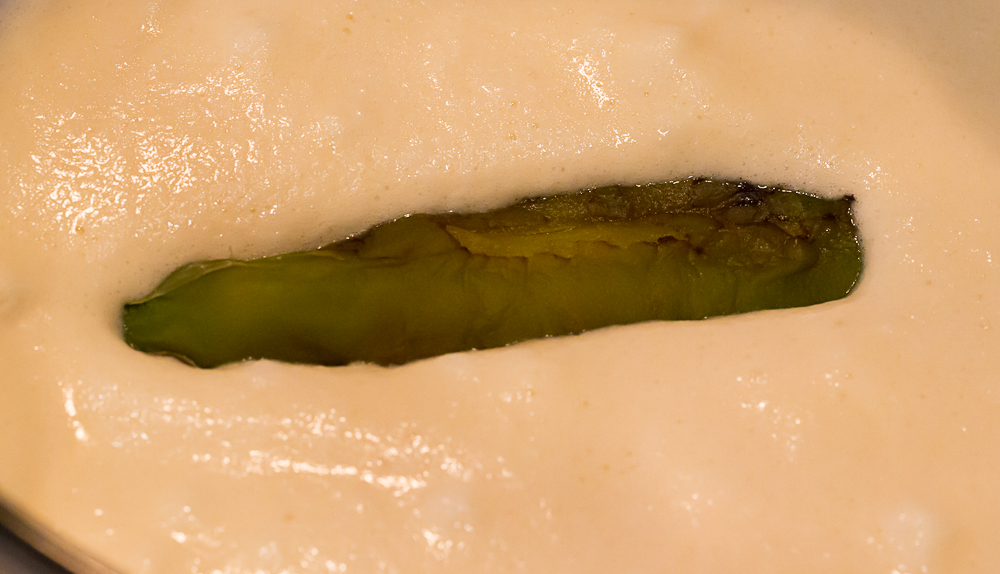
Coating the chiles with batter

Method

  • Purchase roasted chiles or roast your own on a chile roasting pan over a high flame, a very hot barbecue grill, or in the oven under the drill. Turn frequently until all sides of all chiles are heavily charred.
  • Immediately place the chiles in a plastic bag and allow to cool. Then remove the chiles from the bag, and under running water peel the charred skin carefully so as not to tear the flesh of the chiles.
  • Cut off the stems of the chiles, pull out the seeds and inner membranes using your fingers. Rinse out the chiles to remove any loose seeds.
  • Gently stuff each chile with one of the pieces of cheese and set aside on paper towels.
  • In the meantime, prepare the batter by combining egg yolks, milk, flour, salt and vegetable oil using a rotary egg beater. Let the mixture blend for  30 minutes while you whip the egg whites until they form stiff peaks.
  • Gently fold the yolk and milk mixture into the whipped egg whites until well combined.
  • Dredge each prepared chile into flour. Then dip the chiles individually into the combined batter.
  • While preparing the chiles, pour enough peanut oil into a deep-sided heavy pot (A cast iron skillet works well) and heat to 375°F.
  • One at a time, place the batter-coated chiles into the hot oil. Cook no more than two at a time. Otherwise the chiles may stick together.
  • Turn the chiles when well browned on the bottom and finish frying the other side. Remove from the hot oil and drain on layers of paper towels.
  • Keep the finished chiles on a plate in an oven heated to 200°F until all of the chiles are fried. Serve immediately. Otherwise they may get soggy.

Testing oil temperature with a cube of bread
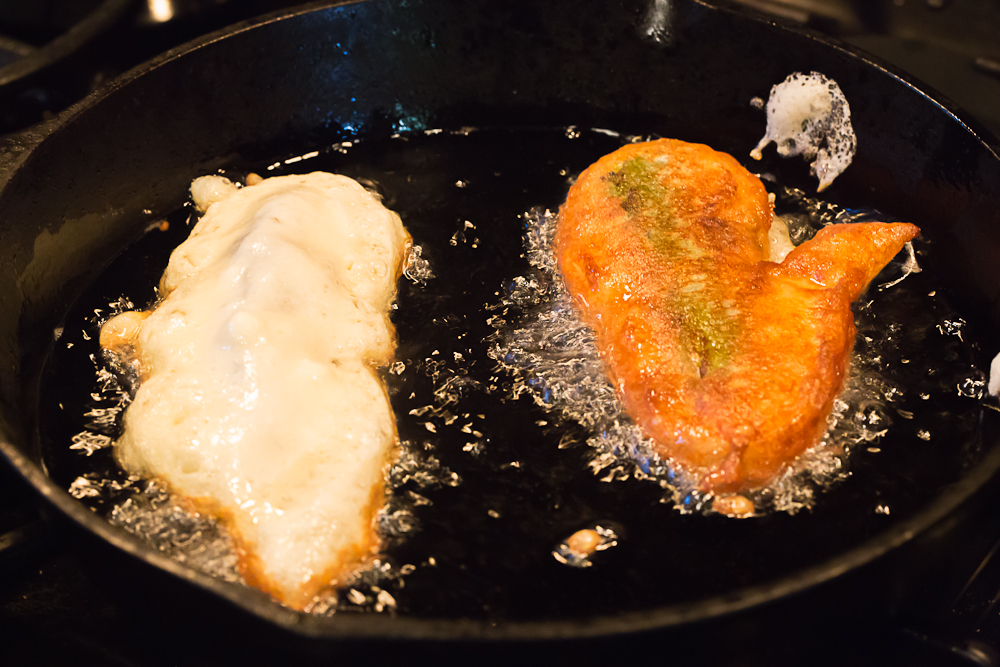
Chiles rellenos frying

Quick Salsa Roja

Ingredients

  • 1 14.5ounce can, diced tomatoes
  • ¼ teaspoon garlic powder
  • ¼ teaspoon onion powder
  • 1 tablespoon dry Mexican oregano, crumbled
  • ½ teaspoon ground cumin
  • 1½ teaspoons ground red chiles (amount and heat according to your taste)
  • salt and pepper to taste

Method

  • In a blender, purée the canned tomatoes, including their juice
  • Transfer the puréed tomato to a small saucepan over low heat. Bring to the simmer
  • Stir in the remaining ingredients until completely combined. Simmer for an additional 10 minutes

Finished chiles rellenos ready to serve

Assembly

  • Place two or three warm chiles rellenos on each plate
  • Top with a generous serving of the salsa
  • Add rice and/or beans (refried or other) if you desire.

Chiles rellenos with rice and fresh pear with green chile raspberry preserves and almonds

I finished the meal with rice and a fresh pear-half filled with green chile flavored raspberry preserves (no kidding) and blanched almonds.
7 Comments

Filed under Food, Photography, Recipes

CUCUMBER-NORI-SESAME SALAD AND SAUTÉED ROYAL TRUMPET MUSHROOMS: THE FINISHING TOUCHES

Just two more dishes to finish the description of the celebratory meal we had from foods we collected at the Ferry Building Farmers Market. Both are easy to make but surprisingly unique.

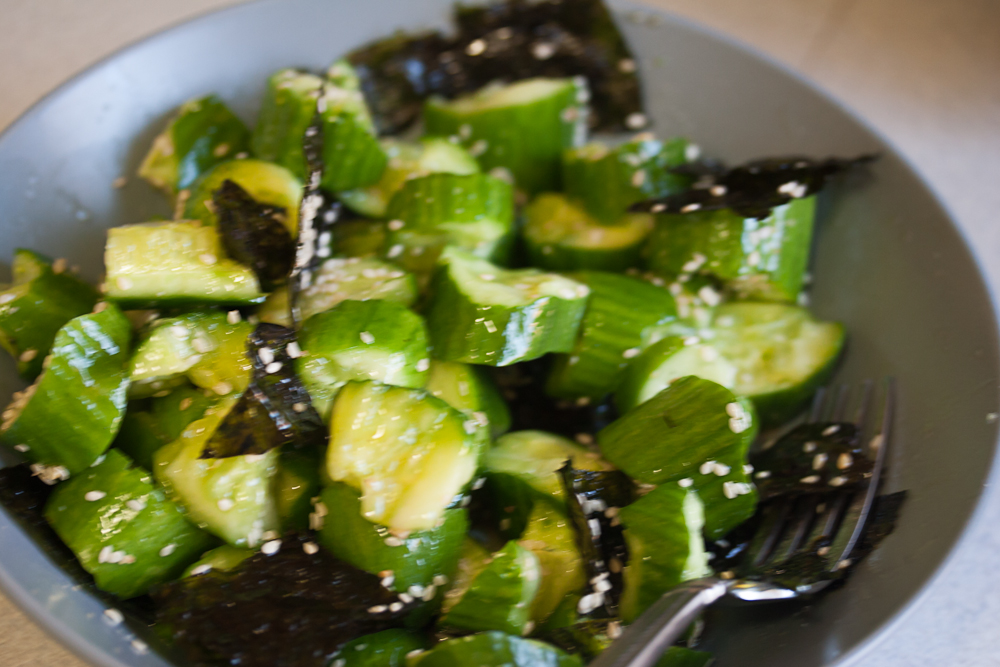
Cucumber-nori-sesame salad

The first was a refreshing salad made with amazingly crunchy and green baby cucumbers and fresh salad greens accented with bits of nori and toasted white sesame seeds.

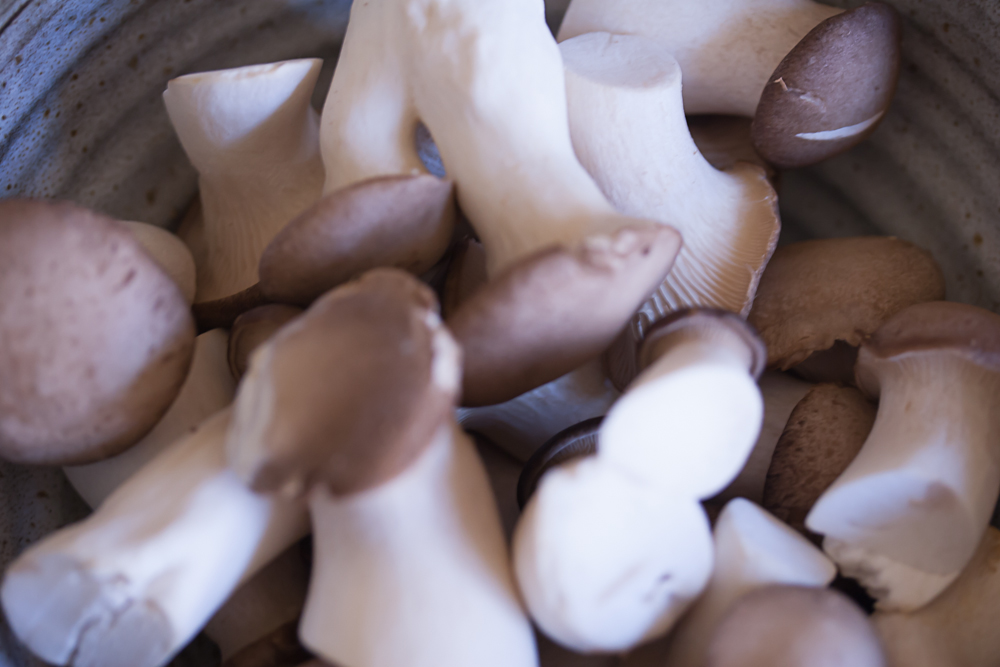
Royal trumpet mushrooms

The second was a delicate sauté of royal trumpet mushrooms with scallions.

Scallions

Sautéed mushrooms and scallions ready to serve

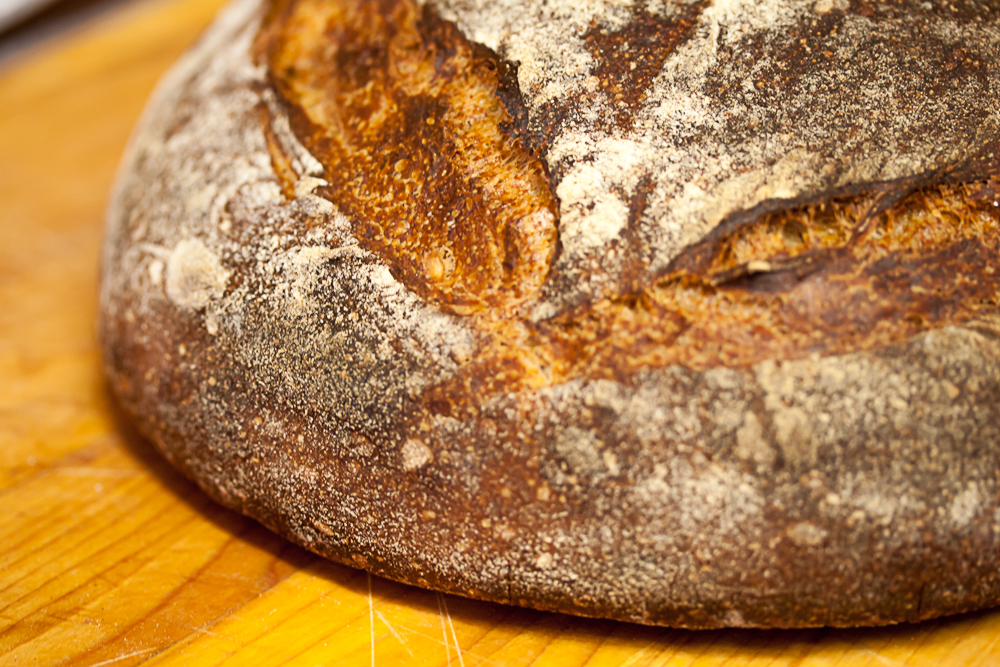
As a bonus not from the farmers market we had a fresh loaf of home-baked Tartine basic country bread made from the recipe in Chad Robertson’s elegant and detailed cookbook, Tartine Bread, Chronicle Books, Ltd, San Francisco, 2010, pages 41-79. (Yes, that’s a long recipe. I plan to post an abbreviated version soon. That should enable you to reproduce the absolutely best home-made bread I have ever tasted).

Fresh loaf of Tartine-style bread

RECIPES

Cucumber-Nori-Sesame Salad

Ingredients

  • 4 small, firm baby cucumbers cut crosswise into ½ inch slices
  • 2 Cups mixed baby salad greens
  • ½ 7 inch sheet of nori cut into ½ inch squares
  • vinaigrette (home-made is the best, but use your favorite)
  • ½ teaspoon sesame oil (optional)
  • salt and pepper to taste
  • 2 Tablespoons white sesame seeds, lightly toasted

Procedure

  • Combine the cucumbers, greens, and nori in a serving bowl.
  • Dress lightly with your favorite vinaigrette. If you like, add the optional sesame oil. Toss.
  • Adjust seasoning with salt and pepper.
  • Sprinkle with sesame seeds and serve immediately.

Should serve four

Sautéed Royal Trumpet Mushrooms with Scallions

Ingredients

  • 2 Tablespoons unsalted butter
  • 2 Tablespoons olive oil (use EVOO – extra virgin olive oil – if you like)
  • 1 small basket (about 2 Cups) fresh royal trumpet mushrooms, cleaned and trimmed
  • 1 bunch (6 to 8) scallions, trimmed and cut crosswise into ½ inch pieces, including the green tops
  • salt and pepper

Procedure

  • Heat the butter and olive oil in a medium sauté pan over medium-high heat.
  • Add the mushrooms and scallions and sauté until cooked through.
  • Correct seasonings with salt and pepper.
  • Serve immediately.

Table set with sweet peas

We set the table with the bouquet of multi-colored sweet peas bought from the flower stall, plated up the feast, and enjoyed it while Evan finished his last day at the restaurant.

Ready to eat

2 Comments

Filed under Food, Photography, Recipes

MORE FARMERS MARKET DINNER: BRAISED LAMB SHANKS

San Francisco’s Ferry Building Farmers Market is much more than the outdoor stalls which attract crowds a couple of days each week. There are all sorts of shops inside the building selling everything from kitchen gear to local caviar. The cheese shops are outstanding, the bakeries are great, and the mushroom place has a huge choice of the freshest specimens. For the carnivores, there are several great shops, but a favorite of both Sarah and me is Prather Ranch. We bought four succulent lamb shanks already done up in plastic, but clearly very fresh. These would be the centerpiece of our farmers market meal.

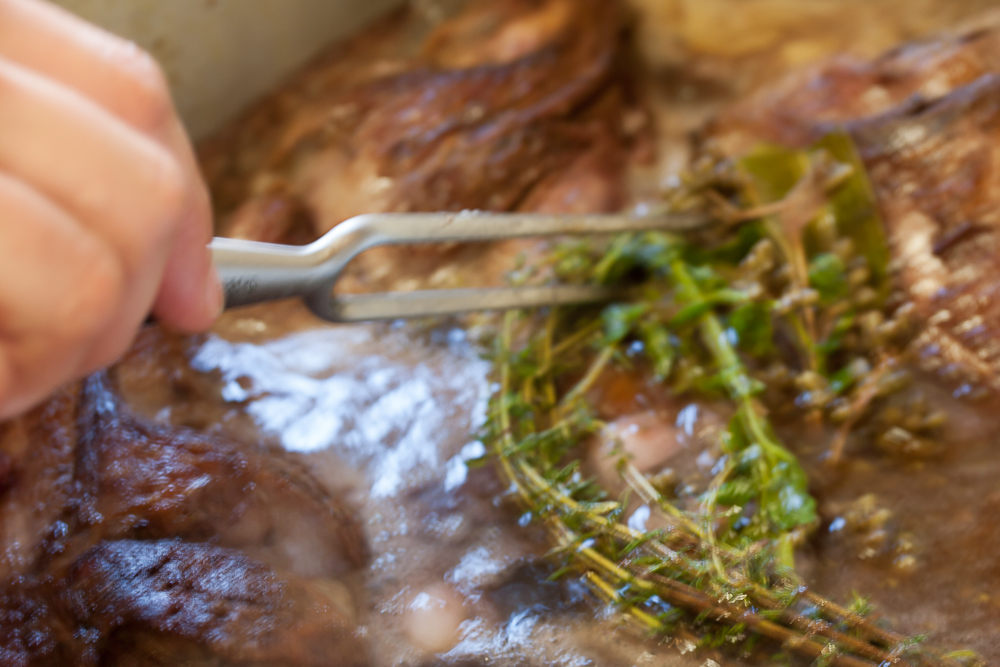
Turning the braising lamb shanks

After getting the lamb shanks home, Sarah browned them in a huge Magnalite casserole along with a couple of cloves of smashed garlic and some aromatic vegetables: carrots and onions. Chefs seem divided over the use of celery in the classic mirepoix combination of onions, celery, and carrots. Some refuse to use celery as they think it is too bitter. Whatever your own personal bias might be, be sure to brown the lamb shanks in some oil and your choice of vegetables. Add some stock or water and a good slug of red wine. Season with salt and pepper. Toss in a generous handful of fresh thyme and Mediterranean (not Mexican) oregano. Bring to a boil, and then cover and reduce the heat to the lowest simmer.

Some purists insist on using rosemary and garlic as the classic seasoning for lamb. You can do that instead if you prefer, but I can guarantee that thyme and oregano work beautifully.

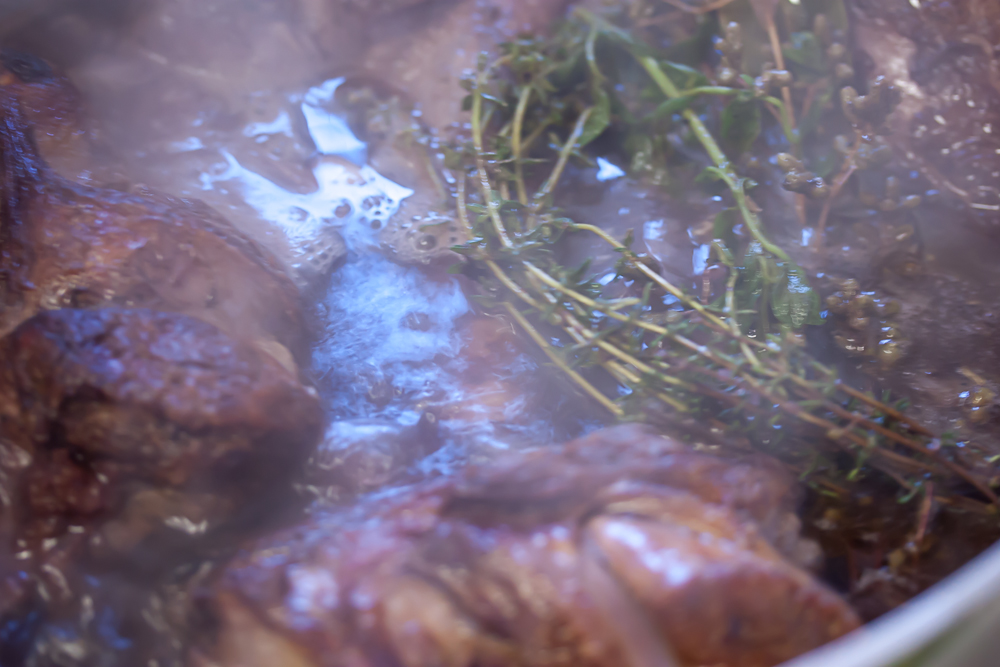
Steaming braising liquid with herbs

Sarah finished her dish over low heat on the stove top, turning and basting frequently as well as skimming off excess fat. If you prefer, you can braise the lamb shanks, covered,  in the oven at low heat – no more than 250°F. Be sure to check the pot frequently and skim the rendered fat. Plan to braise the shanks for at least 2 to 3 hours or until the meat is well done, tender, and falling off the bone.

When they are done to your liking, remove the lamb shanks to a platter and serve them immediately while still warm.

Finished lamb shanks

Lamb shanks vary greatly in size, but in most cases you should allow one for each diner. With only three of us and four lamb shanks we wound up with leftovers.

Ready to serve

3 Comments

Filed under Food, Photography, Recipes

ASPARAGUS: LET IT STEW IN ITS OWN JUICE

Another part of our recent meal provided from our trip to the Ferry Building Farmers Market. Even though these days asparagus is available the year around, local, really fresh asparagus is still a harbinger to the spring in northern climes. It is then that it is at its best. There are lots of great ways to cook asparagus – steamed, boiled, baked, and grilled. This method taught to me by Sarah produces the greenest, freshest-tasting asparagus I’ve ever had.

Fresh asparagus spears

We bought three bundles of the thickest stalks we could find in the asparagus stall at the market.

Juicing the asparagus stems

When we were ready for dinner, Sarah cut the thick ends of the stalks where the tender flesh begins. You probably already do the same. I usually throw away those woody ends, but Sarah dropped them into her electric juicer and got the greenest asparagus juice I’ve ever seen. Actually, I’d never seen asparagus juice before.

Peeling the asparagus spears

Next, using a very sharp paring knife, Sarah made the very thinnest peelings of the skins of the asparagus spears.

Peeled asparagus spears ready to cook

Then she put the juice, seasoned with just a little salt and pepper, in a pan large enough to allow the spears to lie flat. She brought the juice to a boil, dropped in the spears, and cooked them for just a few minutes until the asparagus was tender. The finished spears were a bright green color and fragrant.

Asparagus spears cooking in asparagus juice

Sarah served the asparagus with just sections of lemon to squeeze over it, but you can use whatever is your favorite asparagus sauce – hollandaise, aioli, or home-made mayonnaise.

2 Comments

Filed under Food, Photography, Recipes

FERRY BUILDING FEAST: OYSTERS WITH CUCUMBER-DILL MIGNONETTE

Our trip to the Ferry Building Farmers Market coincided with the day that Sarah and Evan got the keys for their new restaurant space, so we were in a celebratory mood. Never mind that Evan had one last night at his current restaurant, Susan, Sarah, and I were going to have a party.

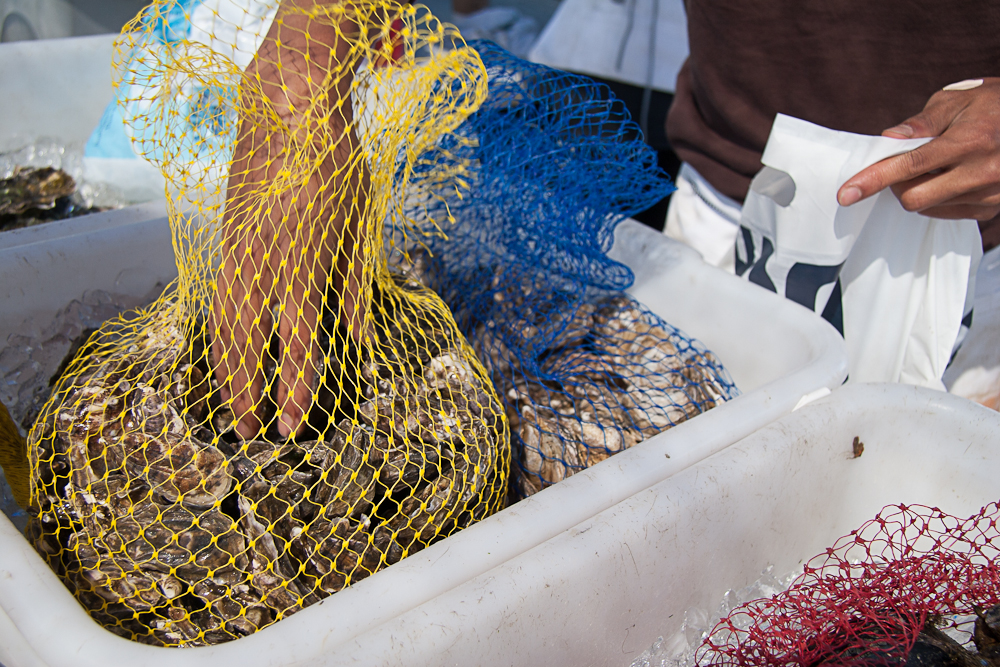
Selecting the best oysters

And what better way to begin the celebration than champagne and oysters on the half shell. Two dozen oysters sounded just about right for the three of us, and the oysters from Hog Island Oyster Company were fresh and just the right size. We brought home a mesh bag iced down for the short journey home.

Opening the oysters with an oyster knife

At dinner time, Sarah brought out her oyster knife and made short work of the shucking. Of course, she is a professional, so she knew what she was doing. She wrapped each shell in a kitchen towel and grabbed it firmly with one hand. Using an oyster knife, she slipped the point of the knife into the hinge of the shell, twisted the knife firmly, and popped open the innocent oyster. She cut the muscles holding the oyster in the shell, removed the top shell, and placed the fresh oyster on a bed of ice.

Opening the oysters with an oyster knife

If you have never opened an oyster on your own. There are a few important pointers. First, be sure to use a good-quality oyster knife. Regular knives can bend and break, and you can wind up plunging the blade into your hand. Serious injuries to blood vessels and tendons can result. Second, the towel is supposed to provide some protection so it should not be flimsy. If you are  a little nervous, Kevlar gloves are available and provide more safety. If you are still anxious, have your fish monger shuck the oysters before you bring them home.

Oysters on the half shell with lemon

You can eat raw oysters with no dressing. That’s the way real aficionados do it so they can taste the brine of the sea. For me, a little lemon juice brightens the taste. In Louisiana they douse with hot sauce. The classic accompaniment is a fresh mignonette sauce. The following recipe is for Sarah’s version based upon ingredients from the farmers market.

RECIPE

Cucumber-dill mignonette

Ingredients

  • ½ cup champagne vinegar
  • 4 teaspoons finely chopped shallots
  • 4 teaspoons finely diced cucumber
  • 2 teaspoons finely minced fennel fronds
  • 2 teaspoons finely minced dill weed
  • 2 teaspoons coarsely ground black pepper
  • salt to taste

Method

  1. In a small bowl, combine all of the ingredients with a wire whisk
  2. Serve immediately or chill until ready to serve

Oysters, mignonette, and sparkling wine ready for the celebration

We opened a bottle of California sparkling white wine, toasted the new restaurant, and enjoyed our raw oysters with cucumber-dill mignonette.

Toasting the new restaurant

2 Comments

Filed under Food, Photography, Recipes

THE FERRY BUILDING FARMERS MARKET

Susan and I have been making the Great California Loop away from a computer for over two weeks, child tending in all of our children’s houses. That doesn’t mean that we have not had some good food adventures along the way. Over the next several posts, I will describe some of those experiences.

Chefs chatting in front of the Ferry Building

And what better place to begin than San Francisco’s famous Ferry Building Farmers Market? The Saturday edition is the most popular and crowded. It is a big-city street fair with buskers a-plenty, kids on skate boards, families with babies in strollers, and lots of tourists. If you watch carefully you can see some of the best known chefs in the city shopping for their weekend menus and visiting with one another. The main reason for the market’s popularity is the amazing cornucopia of the freshest Northern California food products, and this time of the year the choices are simply amazing.

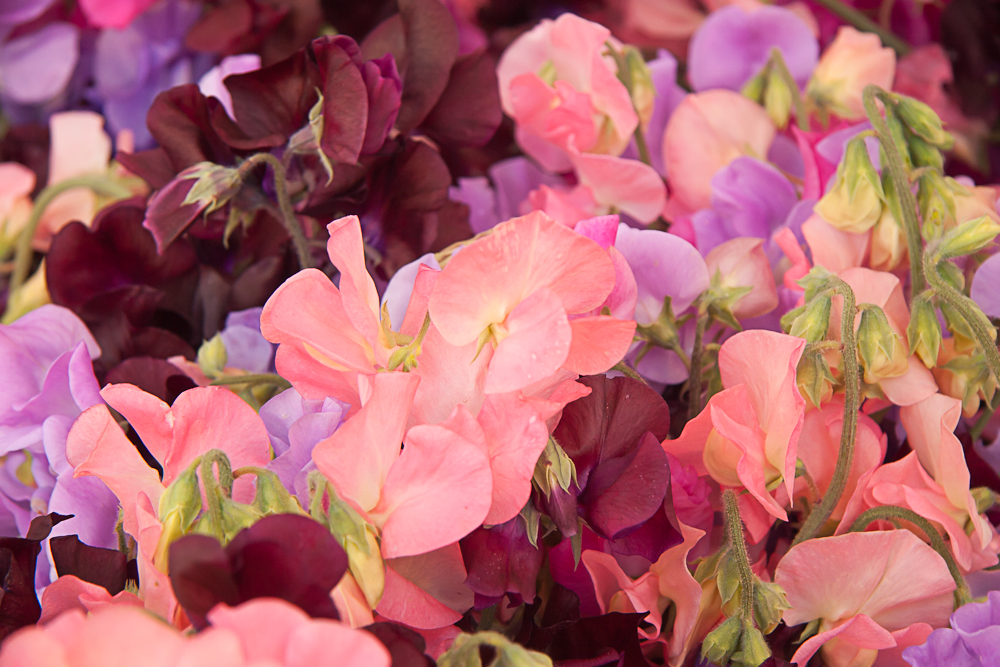
Sweet peas

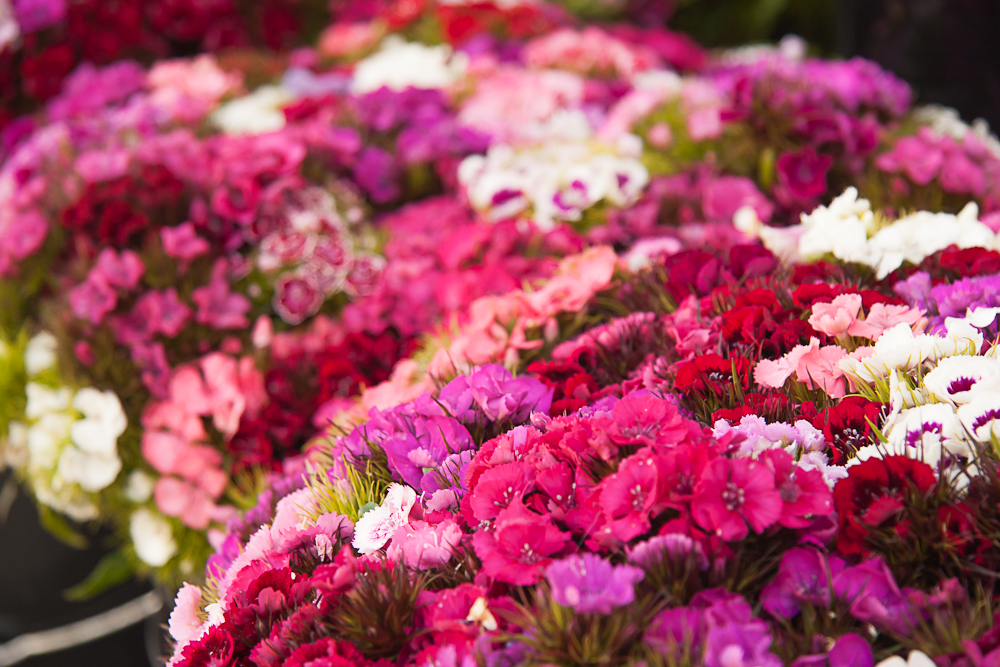
Sweet Williams

We  were in a celebratory mood because Sarah and Evan finalized the contract for their new restaurant space just before we headed to the market. Sarah thought we needed to be festive so our first stop was in the bank of flower stalls at the front of the building. The fragrance of the sweet peas attracted us, and Sarah bought an armful of blossoms of all hues.

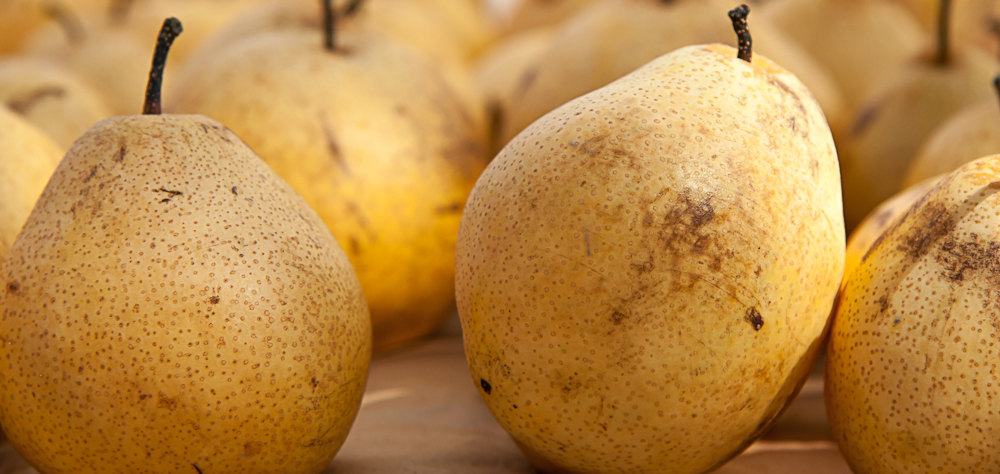
Asian pears

We passed up the Asian pears and other fresh fruits because we had already opted for fresh-churned ice cream for dessert.

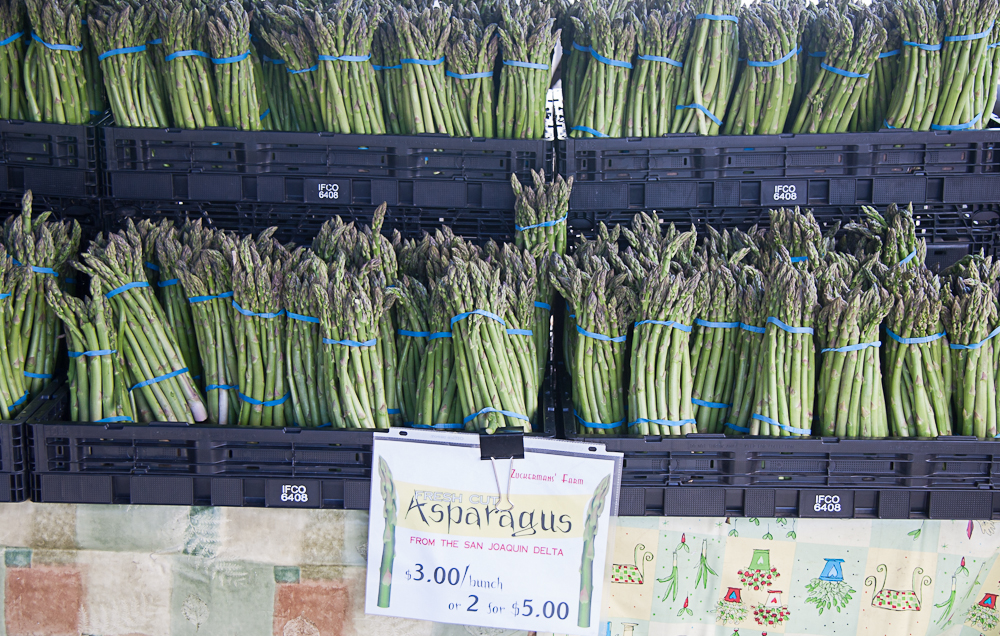
Choose your asparagus

Next stop was the asparagus stall. There were bundles of thick, medium, and thin stalks arranged in orderly rows. The abundance made it hard to choose, but we finally settled on three bundles of beautiful, thick, fresh stalks before moving down the row of vendors.  Fresh dill, thyme, and oregano all made it to our shopping bag.

Beautiful vegetables

Mushrooms! Baskets filled with all varieties of the tasty fungi. Criminis, whites, Portobellos, oysters, shitakes, and my favorites – lion’s manes. There were some giant royal trumpets, but we chose a basket of the most beautiful small-size trumpets.

New potatoes

New potatoes in all colors, sizes, and shapes – a good choice for smashed potatoes.

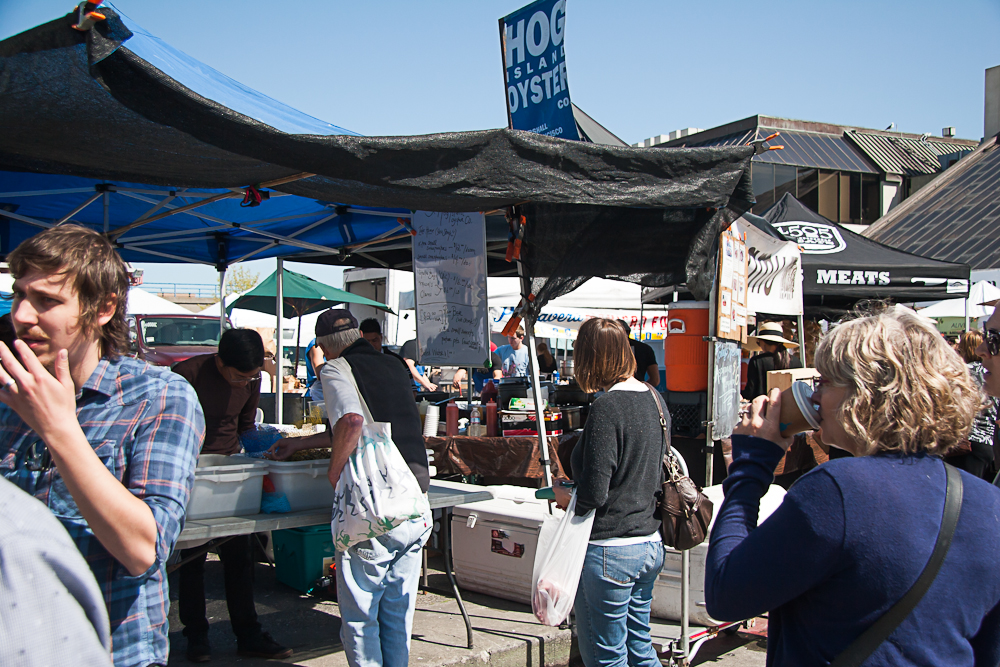
Hog Island Oyster Company

Hog Island Oyster Company  http://www.hogislandoysters.com is one of the landmarks of the market. We often go to their restaurant for fresh oysters or clam chowder, but today we went to their food stall. They had choices of small and large local sweet oysters-in-the-shell and some crenelated beauties from British Columbia. Sarah got a dozen each of the small sweets and the BCs.

Sarah at the Prather Ranch shop

Then we went inside the Ferry Building to the Prather Ranch stall   http://www.pratherranch.com where we found some juicy lamb shanks.

Chilaquiles

A little more shopping for green garlic to braise with the lamb shanks and some baby cucumbers to turn into a salad. Then, with shopping finished we stopped off for an early lunch. There were all sorts of choices including fried chicken, porchetta sandwiches, and lots of Mexican food. We settled on plates of freshly made chilaquiles to eat al fresco on a make-do seat along a planter wall. Evan loaded up his supply for the restaurant, and Sarah and I packed ours up for what looked like a feast that evening.

Leave a comment

Filed under Food, Photography

STUFFED BELL PEPPERS

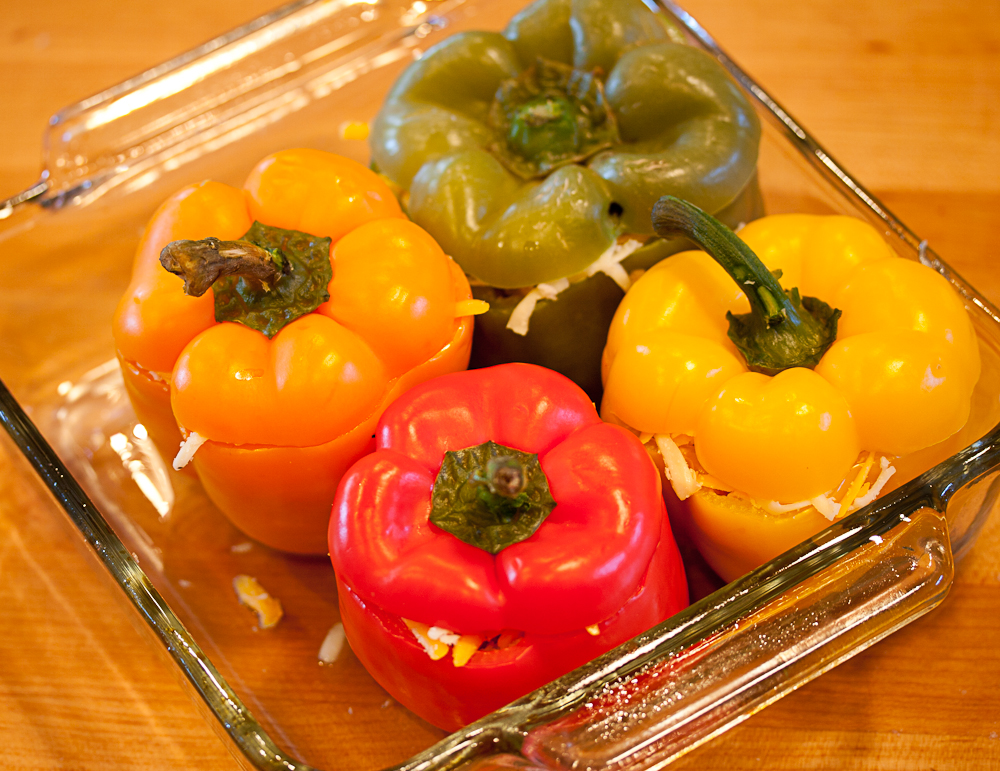
The first touch of autumn is definitely here, and the bell peppers are abundant at the local farmers market. They come in the standard-issue green along with yellow, orange, red, and variegated colors. And they are big and just begging to be stuffed with your favorite filling. My mother always used her favorite meat loaf mix. That’s pretty much the traditional approach, but you can branch out with whatever filling pleases you, such as rice, mixed vegetables including fresh corn, or even shrimp or crab. Suit yourself, but enjoy one of the real treats of the fall season. This recipe is easy to make and uses Italian sausage to provide not only the protein but also aromatic Italian seasonings. Depending upon your preference, choose hot or sweet (mild) sausages.

Stuffed peppers ready to bake

RECIPE

Stuffed Bell Peppers
Ingredients
4 fresh bell peppers, free of blemishes
2 Tablespoons olive oil
1 medium yellow onion, chopped
2 large Italian sausages, casing removed
6 white mushrooms, washed and chopped
1 ½ Cups cooked brown rice
2 eggs, lightly beaten
½ Cup panko + more for the top
2 Tablespoons tomato paste
6 ounces cream cheese, softened at room temperature
2 ounces Swiss cheese, grated and divided
salt and pepper to taste
1 Tablespoon butter

1. Prepare pepper casings by slicing off the top to form a cap. Reserve the caps. Remove the seeds and ribs of the peppers. Place in boiling salted water, return to the boil and boil for 10 minutes. Remove, drain, cool, and set aside.
2. In a medium skillet heat the oil on medium and combine the chopped onions. Sauté the onions until they are translucent but not browned. Add the sausage, stirring to break apart, and cook until well browned. Stir in the chopped mushrooms and sauté an additional 3 minutes. Cool
3. Transfer the sausage mixture to a medium bowl and combine the brown rice, eggs, panko, tomato paste, cream cheese, and half the Swiss cheese. Salt and pepper to taste. Stir until well combined.
4. Spoon the stuffing mixture into each of the pepper casings. Sprinkle the tops with the remaining Swiss cheese and panko and dot with butter. Cover with the reserved caps and place in a baking dish sprayed with vegetable oil spray.
5. Bake in the middle of a preheated 350° oven for 45 minutes or until the peppers are slightly blistered and the cheese has melted. Serve while still warm

Ready to eat

Yield: Serves four

2 Comments

Filed under Food, Photography

STUFFED SQUASH BLOSSOMS

Summer squash season is at its peak in our local farmers market. The same is true for our neighbors who grow a zucchini plant or two. There are lots of delicious recipes for summer squash, but even the biggest fan tends to grow a little weary about now. Zucchini bread and cake can’t be far away. For all of that, now is the time to start cooking with squash blossoms – they are almost as versatile as the fruit itself – you can put them in scrambled eggs, omelets, soups, salads, and quesadillas. But my favorite way to prepare them is to stuff them, dip them in a light tempura batter, and deep fry them.

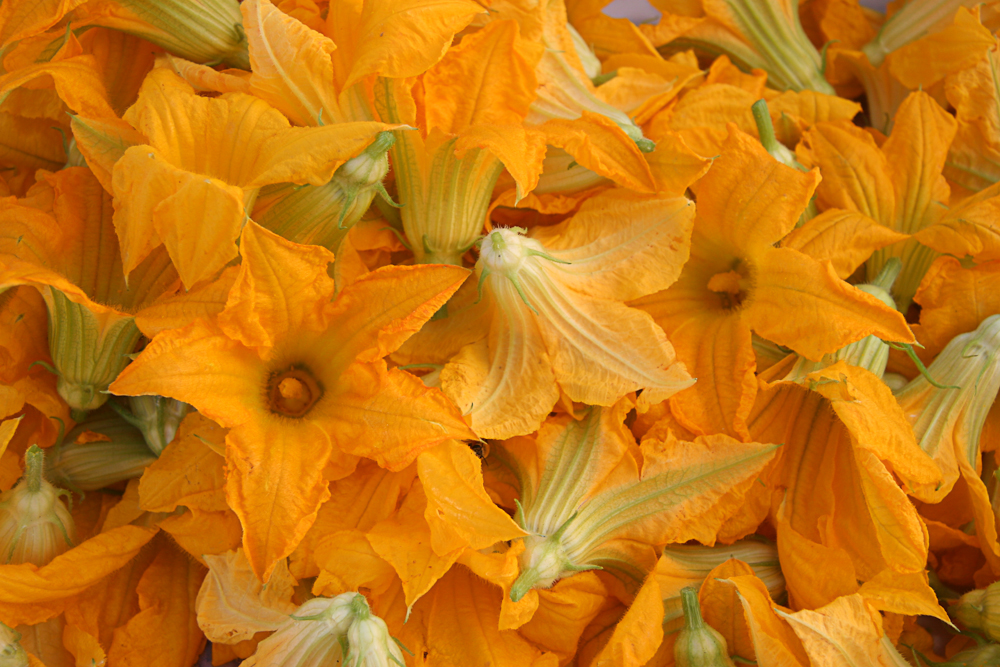
Squash blossoms at the farmers market

Several vendors at our local farmers market specialize in these beautiful offerings, so it is easy to find baskets filled with golden-yellow, delicate blossoms. The farmers usually sell the flowers by the dozen, and you can pick out your choice specimens. If you are a home gardener, you can harvest your own. Select the male flowers (those growing on long stems) so you can keep your harvest of squash (that develop on the female flowers) coming until the cold weather. Whether you buy them or grow your own, you should use the flowers as soon as possible after they are picked. For those from the farmers market, try to use them that same day. They will keep for another day if you keep them in a bag in the crisper of your refrigerator, being careful not to squash them – so to speak.

Some recipes call for removing the long stamen from the center of the flowers before you stuff them, but I prefer to just leave that in (it’s perfectly edible), and my experience is that trying to remove it often leaves you with a mangled flower.

Stuffed squash blossoms ready for batter

When it comes to a choice of stuffing, let your imagination go. Something light probably works best, and don’t use anything that takes a long time to cook, because the battered blossoms will brown in a flash. My favorite stuffing mixtures include cream cheese, good melting cheeses, mushrooms, and nuts.

Stuffed squash blossoms are a perfect accompaniment to cold drinks on the patio, but be sure to make plenty – at least three per person – because they will disappear more quickly than a frosty margarita.

Ingredients
2 Tablespoons butter
4 mushrooms, washed and chopped finely
2 green onions
1/4 Cup unsalted green pepitas, chopped coarsely
1/2 teaspoon salt
1/4 teaspoon black pepper
1/2 teaspoon smoked Spanish paprika
2 ounces cream cheese, room temperature
1/4 Cup Parmesan cheese, finely grated
12 squash blossoms

1 Cup all-purpose flour
2 Tablespoons corn starch
2 teaspoons baking powder
1 teaspoon salt
1 Cup beer, cold
peanut oil for frying

1. In a small skillet over medium heat, melt the butter and then add the finely chopped mushrooms. Cook, stirring frequently, until the mushrooms have released their moisture and it has evaporated.
2. Clean and chop the green onions, including much of the green stems. Then add to the mushrooms, along with the pepitas, continuing to stir frequently for 2 or 3 minutes until the mixture is well combined and evenly cooked. Add the seasonings and remove from the heat to cool.
3. When the mixture is completely cooled, stir in the cream cheese and grated Parmesan, correct the seasoning, and prepare the squash blossoms for stuffing. Do not wash the blossoms
4. One blossom at a time, open the flower gently, spreading the petals so that you can see the deep hollow of the blossom. With your fingers, place about a heaping teaspoonful of the stuffing mixture into the hollow and press it down carefully so that you do not split the petals. Then gently fold the petals over the stuffing, one at a time. You can use a tiny dab of the stuffing mixture to seal the last petal to the little package you have made. Place the stuffed blossom on a plate with the stem pointing straight up.
5. Repeat the process until all the blossoms have been stuffed and arranged on the plate. Transfer the plate to the refrigerator until you are ready to fry the squash blossoms
6. In a medium bowl, combine the flour, corn starch, baking powder, and salt. Then stir in the cold beer. If you prefer, you may substitute a cup of ice water for the beer. The beer will foam up. Don’t worry. The batter will be lumpy. Again, don’t worry – and don’t try to make it smooth.
7. While making the batter, heat enough peanut oil to be about 3 inches deep in a deep-sided pot. Use an instant-read thermometer to make sure the oil is at 350°. You are then ready to fry the blossoms.
8. Remove the blossoms from the refrigerator, dip them in the batter one at a time and transfer them to the cooking oil. You may fry three or four at a time, but be careful not to crowd them. Turn them once while they are frying, and remove them when they are a pale golden brown. Be careful not to let them brown too deeply. Drain them on several thicknesses of paper towels, and serve them immediately while still hot. If necessary, you can hold them for a short time in a 200° oven, but the fresher they are, the better.

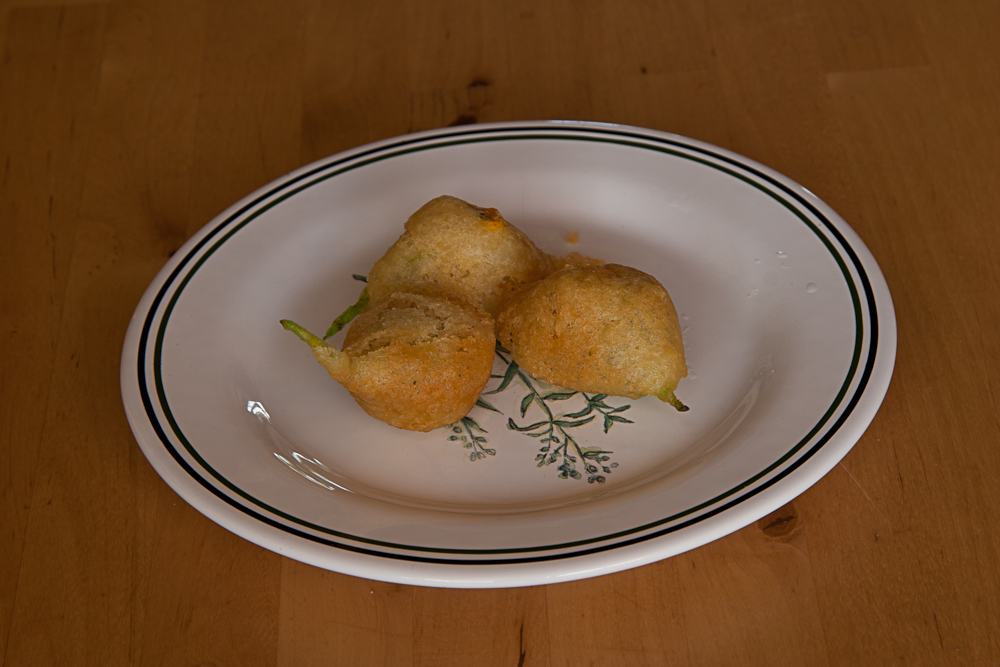
Squash blossoms ready to eat

Yield: Serves four with drinks

4 Comments

Filed under Food, Photography