Category Archives: Restaurants

AIX-EN-PROVENCE AND PASTRY CREAM

Back to Europe. One of our favorite visits during our recent Mediterranean cruise was a beautiful little city just north of Marseilles. Aix-en-Provence is about the same size as Santa Fe but a lot older. We think that Santa Fe is old and it is for the USA, going back to 1510. But Aix-en-Provence dates back at least to 300 BCE and was a Roman outpost in 150 BCE. The main part of the “old” town, though,  dates to the sixteenth,  seventeenth and eighteenth centuries, while the “new” city is filled with modern buildings and young students from the several universities and colleges located there.

We spent a too-short-day strolling up the Cours Mirabeau from the elegant fountain set in the center of la Rotonde to the statue of the “Good King” René at the head of the street before turning into narrow streets lined with beautiful old houses and interesting shops. The Cours Mirabeau is a narrow street set between two wide sidewalks under palisades of towering plane trees. Moss-covered fountains sit in roundabouts in the narrow street. Banks line one side of the boulevard, and there are several cafés on the other side. The cafés include the Deux Garçons famous for hosting Cézanne, Zola, and other famous artists and writers.

Instead of stopping in one of those cafés, we chose to continue our stroll through the old town. One of our stops was a farmers’ market in the place de l’Hotel de Ville. There were rows and rows of stalls filled with fresh fish and shellfish, meats, sausages, eggs, vegetables of all sorts, jellies, soaps, and even a smiling bronze boar peeking from behind a refrigerator truck. The market stood under the shadow of a sixteenth century clock tower and flags of the European Union, France, and Provence.

Enticed by a windowful of elegant pastries, we took a break at La Boutique du Glacier with tea and coffee and pastries including a delicious napoleon.

We walked past the carousel before boarding our tour bus to end a most enjoyable day that we would like someday to repeat.


RECIPES

Inspired by our visit to Aix, this is an effort to make a simple napoleon with absolutely no pretenses of duplicating the wonderful pastry we enjoyed in France.

First task is to make the pastry cream. This is a cousin to the three sibling creams I wrote about a while back: creme anglaise, creme brulee, and crema catalana. The main difference with this cousin is the addition of flour which enables you to boil the sauce without worrying about scrambling the egg yolks. It is actually fairly easy to make..

Puff pastry is beyond most home cooks – at least this one – so frozen sheets of pastry become the ticket to making an easy, quick, but tasty “home-made” napoleon.

CRÈME PÂTISSIÈRE

Ingredients

  • ¼ cup sour cream
  • ¾ cup milk
  • ¼ cup sugar
  • 3 tablespoons flour
  • ¼ teaspoon salt
  • 4 egg yolks
  • 2 teaspoons vanilla extract
  • 2 tablespoons unsalted butter

Method

  • In a medium, heavy saucepan, heat the milk just to boiling
  • In a medium bowl, mix the sugar, flour, and salt. Then pour in the heated milk gradually, stirring to eliminate lumps. Then return the mixture to the saucepan and bring to a gentle boil, stirring continually until the mixture is thickened and smooth.
  • Remove from the heat and cool just slightly before beating in the egg yolks. Stir constantly while returning to a boil. The eggs will not curdle with the added flour.
  • Cook for about 1 minute. Then remove from the heat and, beating constantly, let it cool for about another minute before adding the vanilla and butter.
  • Continue to beat until the butter is completely  melted and incorporated into the sauce.
  • Transfer the sauce to a small bowl. Cover with plastic film directly on top of the sauce to prevent the formation of a skin, and cool in the refrigerator for an hour or mor

EASY NAPOLEONS

Ingredients

  • 1 sheet commercial frozen puff pastry
  • 1 batch creme patissiere
  • 2 teaspoons cocoa powder
  • 2 teaspoons confectioner’s sugar

Method

  • Remove one sheet of frozen puff pastry from the package and thaw according to package instructions
  • Place the thawed pastry sheet on a lightly floured surface and roll very lightly with a rolling-pin to smooth the folds in the pastry.
  • With a sharp knife, cut the sheet in half and then each half into 6 equally-sized bar shapes.
  • Transfer the shaped pastries onto a parchment-lined baking sheet.
  • Bake at 400° for 15 minutes or until the tops are lightly browned
  • Cool the baked pastries on a rack. Then split each in half so that you have 24 individual layers
  • Spread pastry cream between layers, stacking them so that each pastry has four layers. You will probably need to flatten the top of the bottom pastry by slicing a thin layer off the top with a very sharp knife.
  • Brush the tops of the assembled pastries with milk and then sprinkle with a mixture of the cocoa and confectioner’s sugar using a tea strainer.

Makes six napoleons

6 Comments

Filed under Food, Photography, Recipes, Restaurants, Travel

BARCELONA: PATATAS BRAVAS AND CREMA CATALANA

I have been away from my computer for several weeks doing a lot of traveling. Part of that was spent in a cruise around the Mediterranean beginning in Barcelona, Spain.  This post describes our visit along with a couple of recipes for food we enjoyed while we were in this beautiful and exciting city.

Beautiful architecture along Las Ramblas

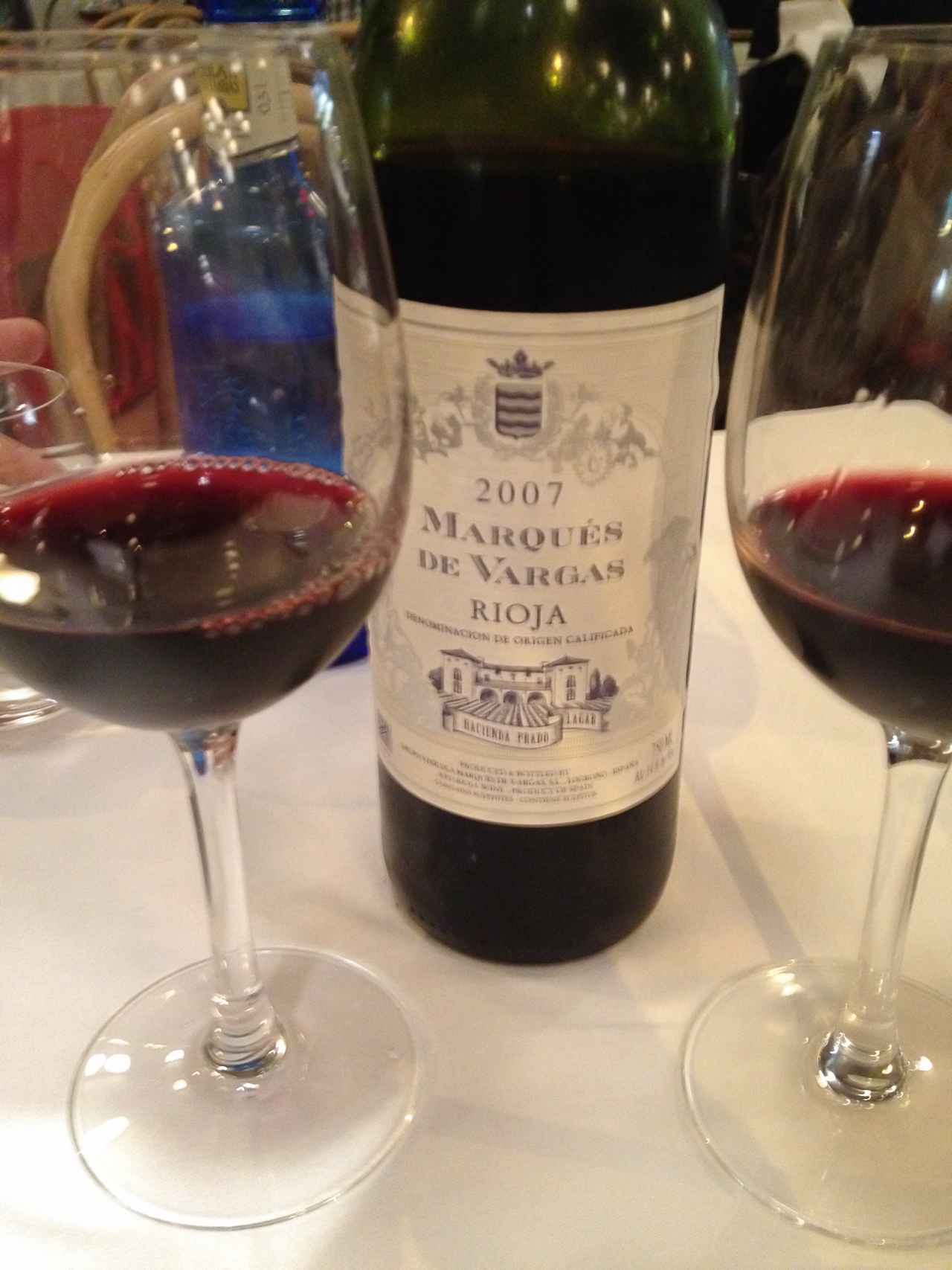
We arrived on a flight from Philadelphia and were taken to our hotel on La Rambla Catalanya. First on the agenda was a brief nap, and then we explored Las Ramblas and parts of the old city. The street was perfect for walking, with a wide pedestrian walkway shaded by beautiful old plane trees. All along the way, there were open-air cafés offering a wide variety of food and drink. We selected a brightly lit cafe with linen tablecloths not too far from our hotel. The waiters were extremely friendly, and the menu offered a wide choice of tapas, along with paella, sangria, and excellent Spanish and Portuguese wines.

Spanish red wine to enjoy with tapas

We settled on a short list of hot and cold tapas which included octopus, cod-fish croquettes, tomato bread, and other tasty items. One of our favorites was patatas bravas, highly recommended by our daughter, Sarah, who had spent a couple of summers in Spain. It turned out to be a great choice.

Patatas bravas

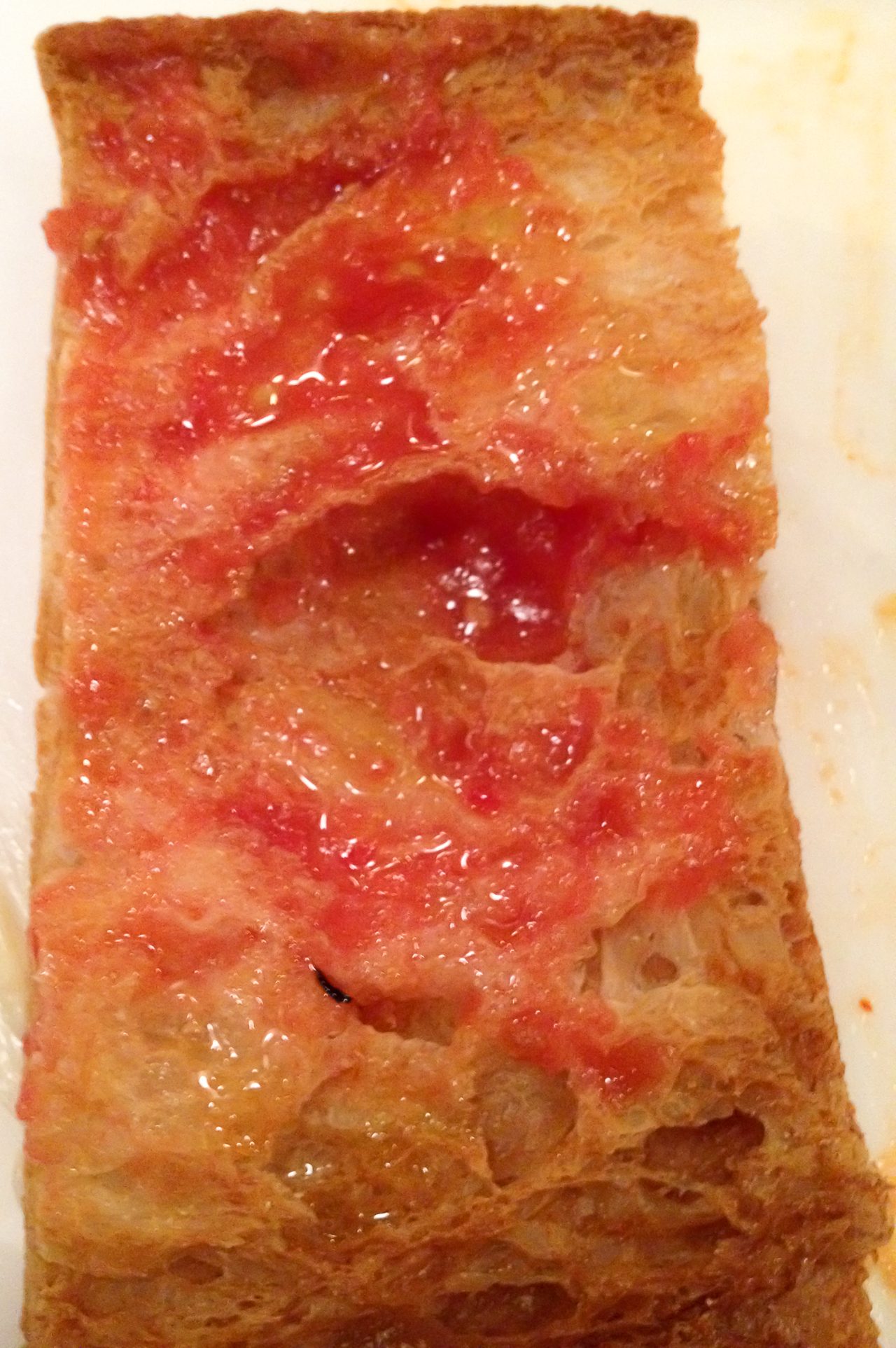
Another popular and simple tapa- toasted bread with garlic and tomatoes

We finished up with crema catalana for dessert, and as our waiter said, “How can you not have crema catalana? You’re in Barcelona.”

Crema catalana

The next day we toured the city including, of course, La Familia Sagrada. Even for those who have visited many times, no trip to Barcelona is complete without a visit to this spectacular church, under construction for 130 years with more construction projected to at least  2026.

The Basilica of La Familia Sagrada

To me, it is hard to call the basilica beautiful – it flies too far outside my concepts of graceful architecture. At the same time, it is impossible not to think of it as an architectural marvel.  The architect, Antonio  Gaudi,  began what would be his life’s ultimate work in 1883. Gaudi was obviously a genius who developed radical theories of construction based upon his observations of suspended strings and other seemingly simple yet profound understandings of geometry. The basilica is under very active construction with several huge cranes arranged around the perimeter, building more towers to bring the final total to thirteen or possibly eighteen, depending upon whether the full plan will be fulfilled.

RECIPES

Patatas bravas with tomato sauce and aioli

This is one of the most famous and popular of all tapas. As a result, there are many recipes for preparing the potatoes. You can choose to roast them, bake them, boil and fry them, deep fry them at two different temperatures, etc., etc. Probably the simples – and perhaps even the most authentic – is to roast them in the oven. There is also variation in what to serve with the potatoes. A tomato sauce is common, but aioli is also common. You may even want to offer both, or your own choice of sauce.

Tomato sauce

ingredients

  • 2 tablespoons olive oil
  • 2 tablespoons onion, minced
  • 1 clove garlic, minced
  • 3 medium tomatoes, peeled, seeded, and chopped
  • 1 tablespoon tomato paste
  • ¼ cup white wine
  • 1 tablespoon parsley, minced
  • 1/8 teaspoon ground red (Cayenne) pepper
  • 1 bay leaf
  • 1/8 teaspoon sugar
  • salt and pepper to taste

Method

  • Heat the olive oil in a small saucepan over medium heat.
  • Add the onion, sweat and then saute lightly.
  • Add the remaining ingredients, cover and cook over low heat for 30 minutes. Cool, strain, and dilute with water if needed to make a moderately thick sauce.

Alioli

Ingredients

  • 4 cloves garlic, peeled and mashed
  • 1 teaspoon salt
  • 2 egg yolks
  • 1 cup extra virgin olive oil
  • ¼ teaspoon dry mustard
  • 2 tablespoons freshly squeezed lemon juice

Method

  • In a mortar or small dish, mash the garlic and salt together to form a paste. Set aside
  • Using a whisk and a medium bowl, beat the egg yolks until smooth, thickened, and slightly foamy.
  • By drops at first, whisk in the olive oil, until it is fully incorporated into the yolks before adding more. As the process continues, you can speed up the addition of oil. Do not rush the process or the sauce will separate.
  • When the oil has been fully incorporated, whisk in the mustard and garlic-salt mixture. Then stir in the lemon juice to make a smooth sauce.

Patatas

Ingredients

  • 2 large Yukon gold potatoes, peeled and cut into ¾-inch chunks
  • ½ cup olive oil
  • salt and pepper
  • ½ teaspoon red pepper flakes
  • 2 teaspoons parsley, minced

Method

  • Arrange the potato chunks on a small baking sheet which has been lightly coated with some of the olive oil. Drizzle the remaining oil over the potatoes and ststir just enough to coat the potatoes, keeping them in one layer.
  • Roast in the middle of an oven preheated to 375° F for about 45 minutes. Stir several times during the roasting. Remove from the oven when the potatoes are well-browned and crisped.
  • Sprinkle with the salt, pepper,  red pepper flakes, and parsley.
  • Serve immediately while still warm, along with the tomato sauce and/or alioli for dipping or spooning over the top.

Crema catalana

This is only one in a family of creamy desserts, including baked custard, flan, crème brûlée, and créme anglaise. They all have eggs, sugar, and milk or cream. Sometimes they have corn starch or gelatin as a thickening agent. Some are baked in a water vath while some are cooked on the stove top. The more you read recipes to discern the differences, the more confusing  the relationships. Whatever, crema catalana is traditionally cooked on the stove, allowed to set up in the refrigerator,and  served in a shallow terra-cotta dish, topped with sugar  caramelized with a salamander, under a broiler, or with a blow torch.

Ingredients

  • 4 egg yolks
  • ¾ cup sugar
  • 1 cinnamon stick
  • zest of 1 lemon (use orange if you prefer)
  • 1 tablespoon cornstarch
  • 2 cups whole milk
  • additional sugar (about 1 tablespoon for each) for topping individual servings

Method

  • With a hand-held electric mixer, beat the eggs and sugar in a medium saucepan until they form a thick, smooth mixture
  • Add the cinnamon stick and lemon zest to the mixture
  • In a small bowl, dissolve the corn starch in the milk. Then add to the egg mixture and place over low heat
  • Stir constantly until the mixture thickens. Work slowly or you will scramble the eggs. When the mixture has thickened enough to lightly coat your stirring spoon, remove immediately from the heat.
  • Remove the cinnamon stick You can strain the custard at this point if you wish. Then ladle into 4 to 6 small ramekins or casuelas.
  • Refrigerate at least 3 hours, and preferably overnight.
  • When you are ready to serve, remove from the refrigerator, sprinkle about a tablespoon of sugar over the top of each of the individual servings.
  • Caramelize the sugar topping by (1) using a small metal salamander heated on a stove burner, (2) running under your oven broiler for 5 to 10 minutes, or (3) using a small culinary blow torch.
  • Serve immediately.

1 Comment

Filed under Food, Photography, Recipes, Restaurants, Travel

RICH TABLE – VERDICT IN; THE CRITICS APPROVE

Rich Table in the Hayes Valley section of San Francisco has only been open for a little over 2 months, but already the food and service have impressed the local critics. Michael Bauer in the San Francisco Chronicle has said, “It was ironic and symbolic that my first visit to Rich Table was the night of the blue moon, because only once in a blue moon does a restaurant like this come along.” ( 3½ stars, September 30, 2012) In San Francisco magazine, Josh Sens says, “Elements of surprise…Rich Table might sound like every other joint in town, but it’s not.” (3 stars, October, 2012)   7×7 San Francisco has selected Sarah and Evan as the chef representatives in their annual “The Hot 30”. (October, 2012)

With all that publicity, it may not be a surprise that the reservation book is filled for the next three months, but even if you can’t get a reservation, don’t despair. There are a few seats at the communal table deliberately left open for walk-ins. The bar is always humming, so you may need to sit on an outside bench to wait your turn.

How did a new restaurant get up and running so smoothly in such a short time? Only part of the answer is the talent of the chef-owners, Sarah and Evan Rich. The other part is the professional staff who work together comfortably, more like a family than a restaurant crew.

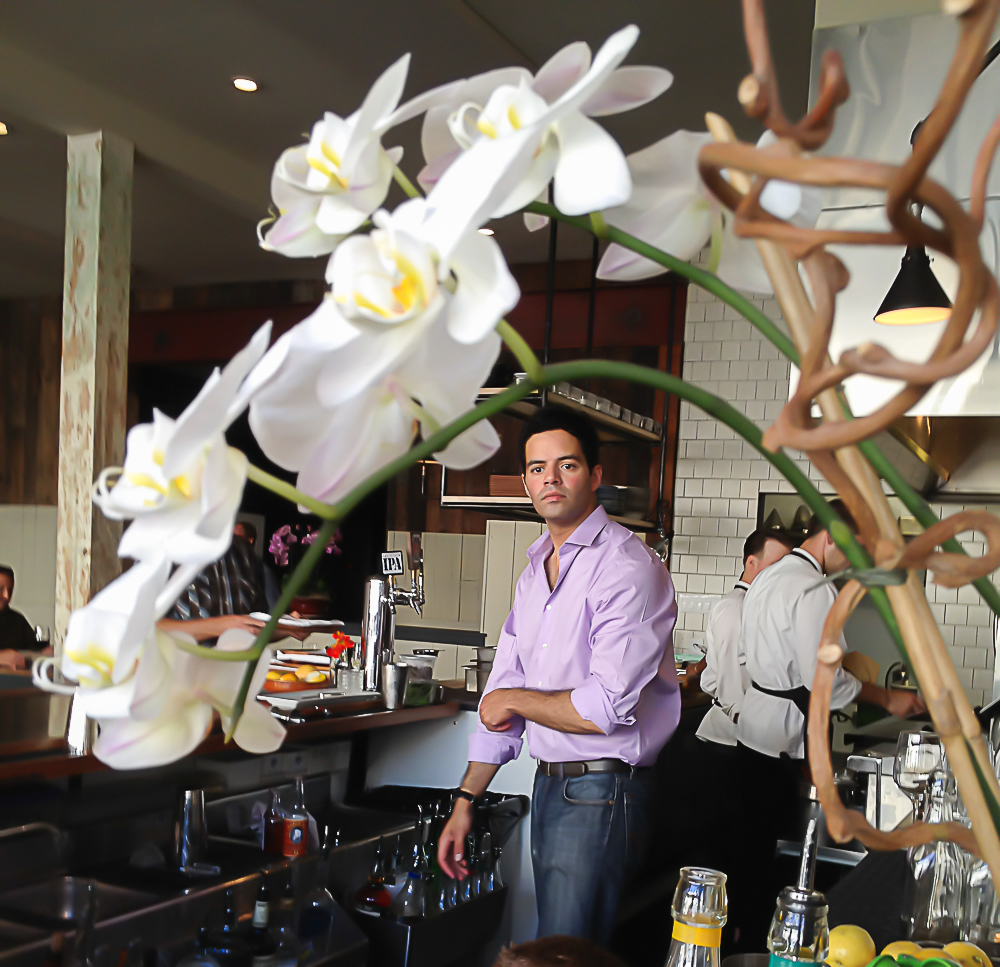
Maz has taken on responsibility for running the front of the house after working in the wait staff and as beverage manager for years at Coi. He has put together a menu of creative cocktails and an excellent choice of wines and beers that complement the food.

James and Nick have worked as cooks with Sarah and Evan for years, and so watching them in action is like watching a well-practiced athletic team. They have been joined by Bayoni, Miles, and Andrew. How all these folks fit in the tiny open kitchen is a mystery, but without a misstep they work with one another to turn out the orders beautifully composed and on cue.

Michael and Charles left good, long-time positions in high-end restaurants to join the team. Rachel and Jamie, the runner, have also become team members. This makes a first-class, friendly, helpful, and knowledgeable front-of-the-house crew.

We visited San Francisco a few days ago with plans to eat at Rich Table. As parents of one of the chefs, Sarah, we thought that would not be a problem, but in a text message, Sarah gently reminded my wife that we need to let her know our plans , otherwise she could not guarantee a space.

We wound up sitting at the communal table with a party of five from France. They were making the “Great Circle Tour” of the American West. Even with limited English on their part and non-existent French on ours, we enjoyed a chat and wound up sharing some food.  They cleaned their plates and enjoyed the restaurant. I heard  one  say, “Magnifique.”

We spent three hours eating everything that Sarah sent out to us. Here’s what we ate:

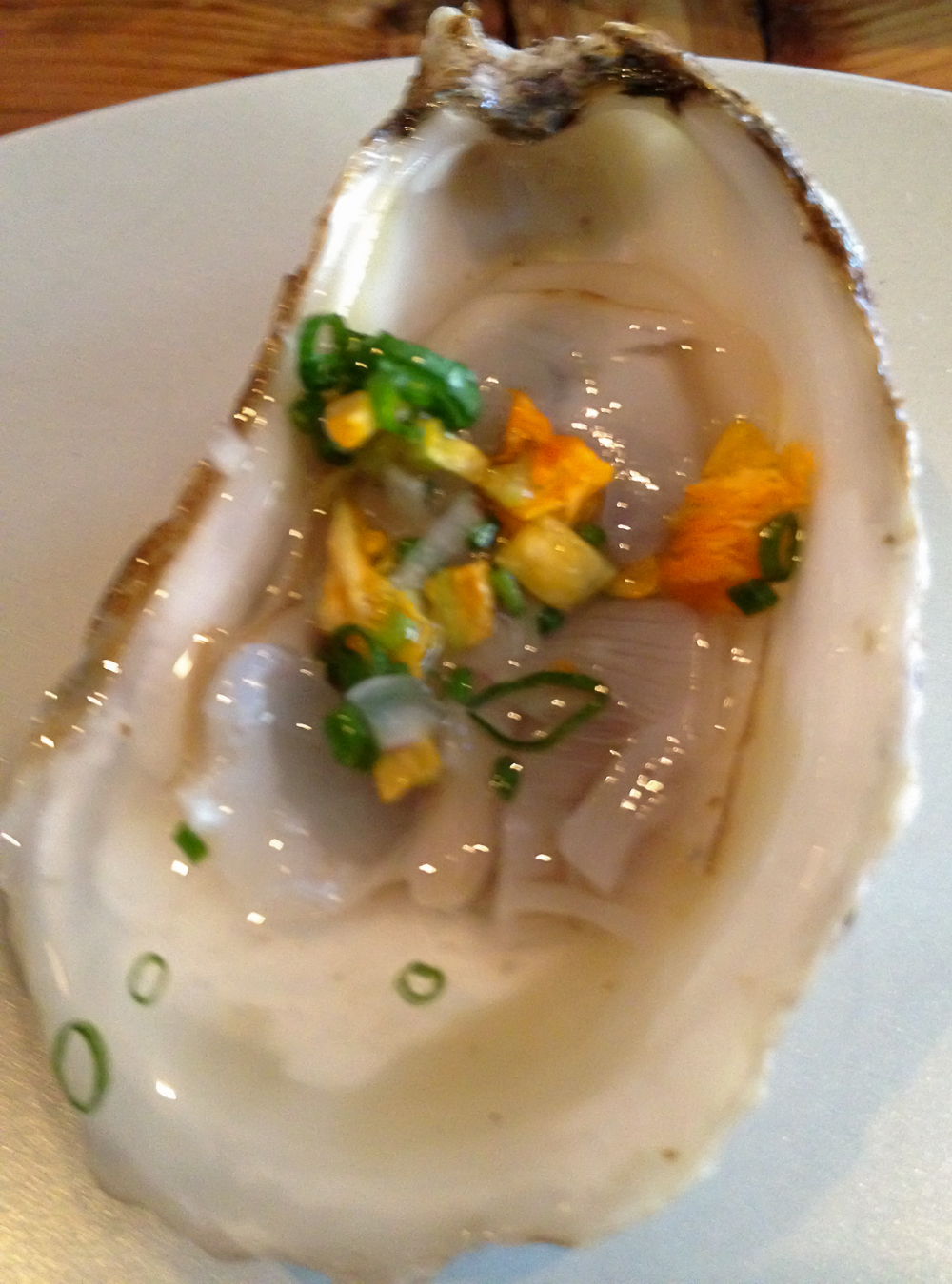
SPANISH CAVA WITH BEAU SOLEIL OYSTERS FROM NEW BRUNSWICK, CANADA

Canadian oysters in California! Delicious and ocean salty. Still, the highlight is the crushed squash blossom mignonette. The sauce is beautiful with green and yellow-orange confetti. It is also tasty with an acidic base that complements the salty oysters.

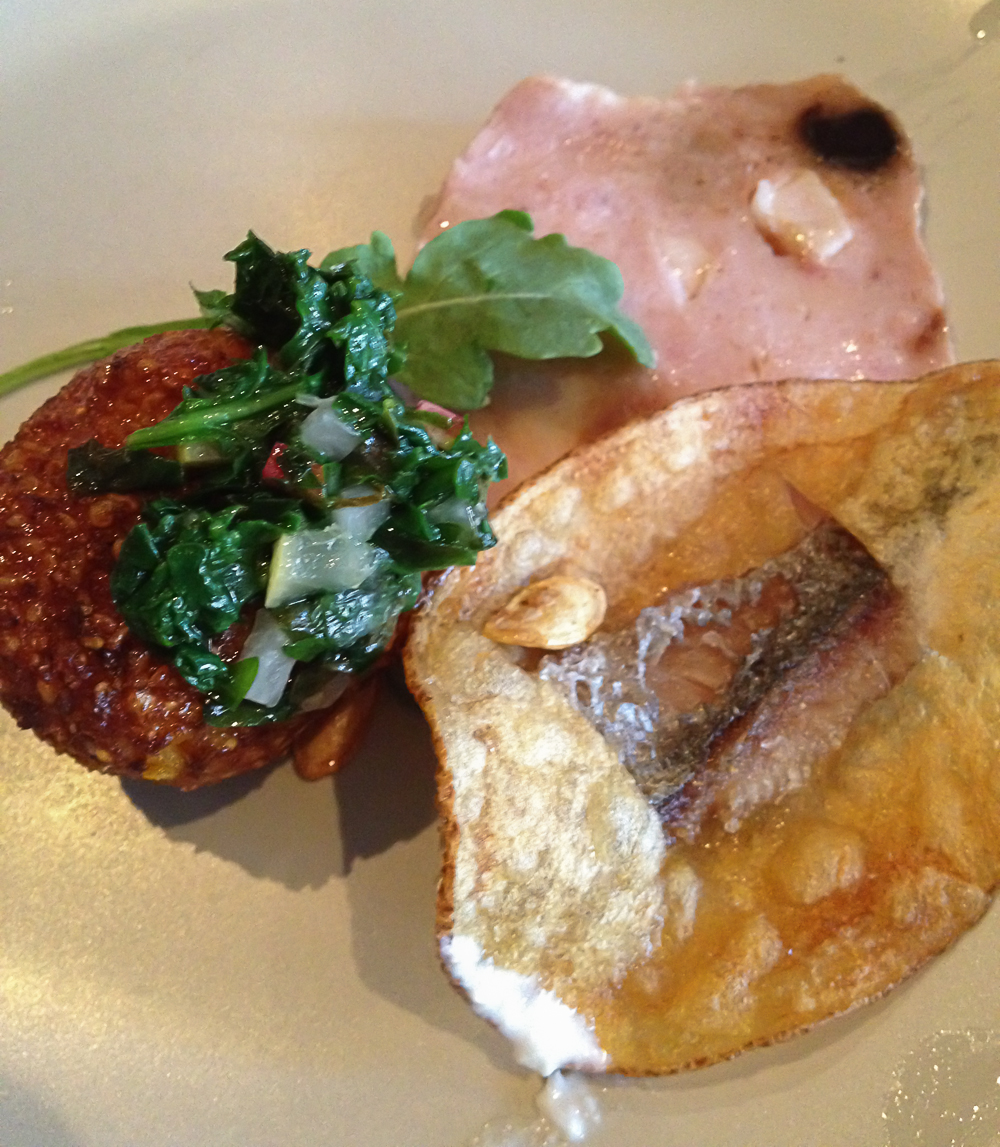
SARDINE CHIPS WITH HORSERADISH ANCHO CRESS

This is rapidly becoming a signature dish of Rich Table. Big, crisp potato chips have a slender sardine fillet woven in the middle raising the question, “How do they do that?” The horseradish sauce is a perfect foil.   CAUTION: you can’t eat just one!

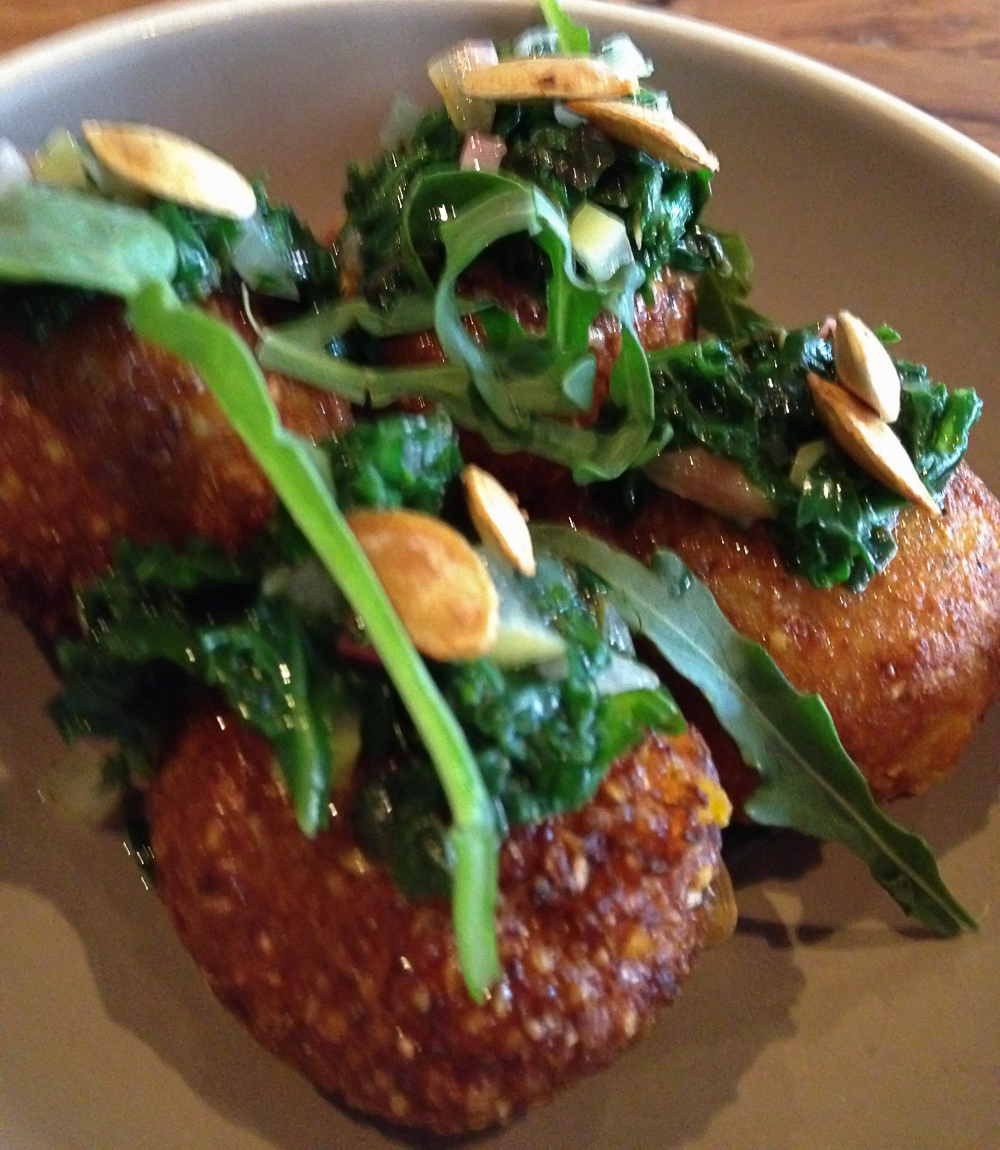
WINTER SQUASH FRITTER WITH PRESERVED LEMON AND ARUGULA SALSA VERDE

Another signature dish, corn fritters, has been transformed for the fall season into winter squash fritters with the sweet, creamy filling, crispy crust, and salty toasted squash seeds as a garnish.

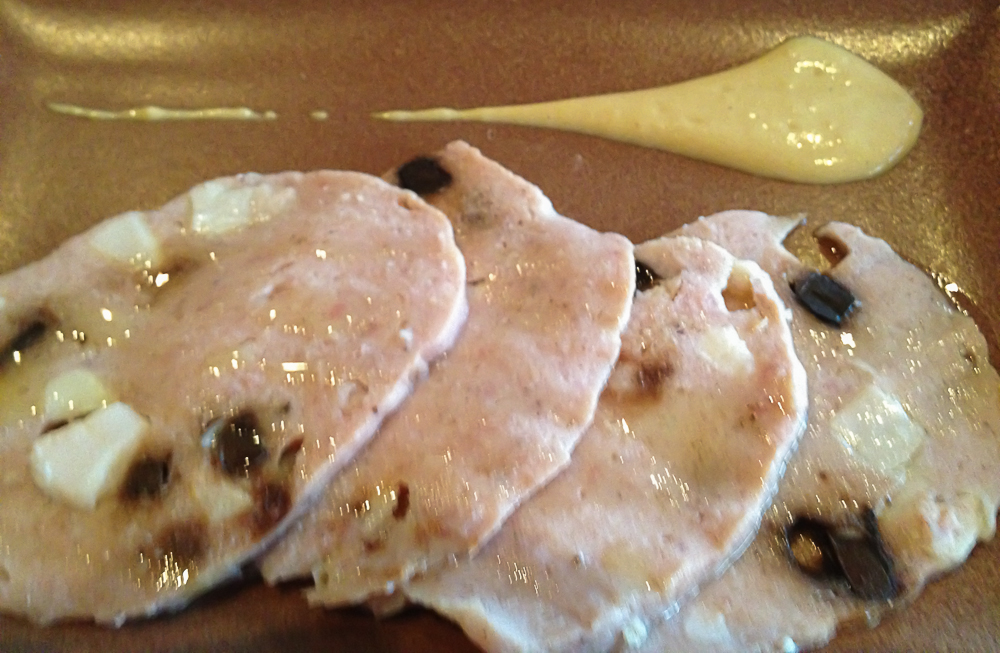
HOUSE-MADE BLACK GARLIC MORTADELLA WITH HOT MUSTARD

This in no way resembles the usual bologna-like mortadella. The sausage is a silky mousse of pork laced with lardons of pork fat and bits of black garlic, a smoked and aged garlic that has a nutty, woodsy flavor.

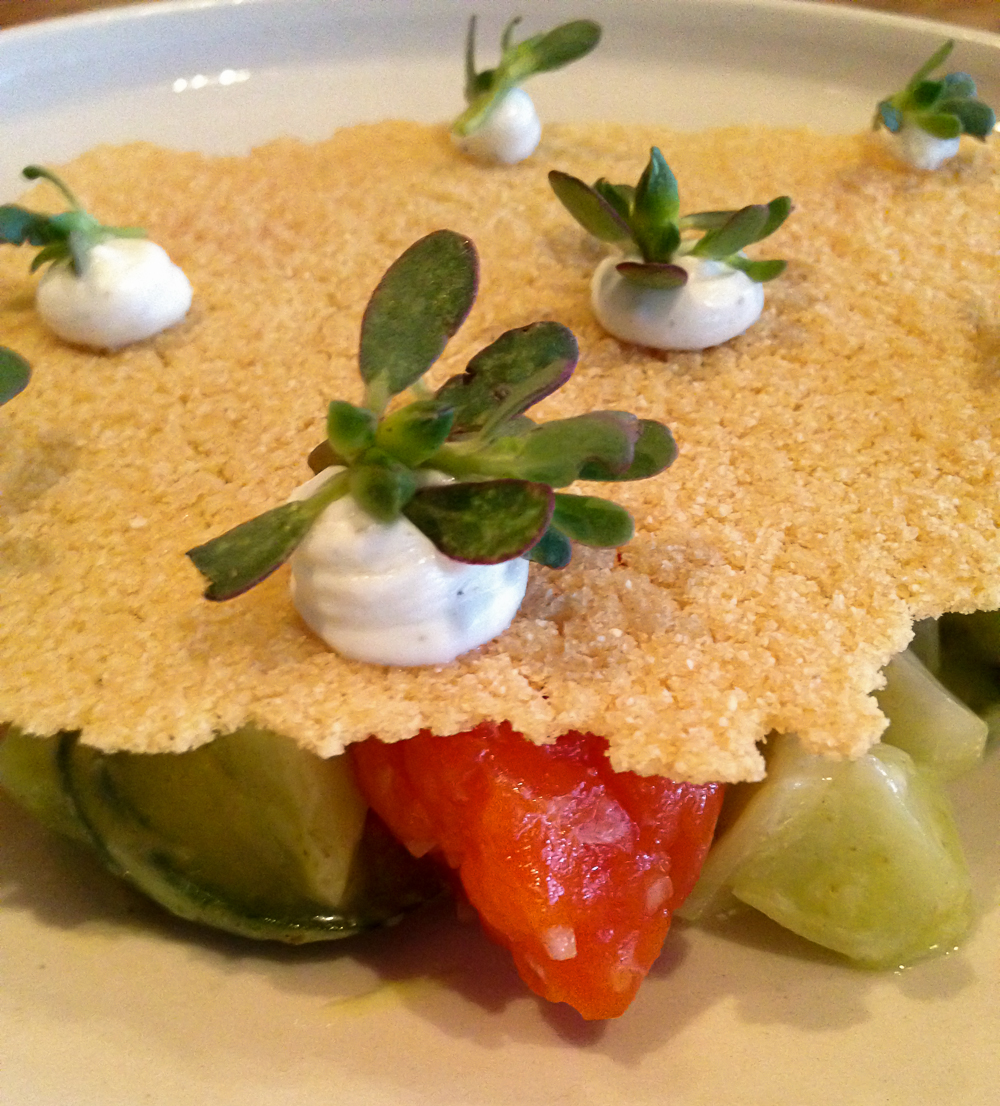
RAW KING SALMON WITH CUCUMBER AND DOUGLAS FIR TOPPED WITH SALTINE TUILE DOTTED WITH YOGURT AND FORAGED PURSLANE

Almost too beautiful to eat – well, almost! The salmon hides below a paper-thin tuile of saltine decorated with polka dots of yogurt and “bows” of foraged purslane. The decorations are delicious. The salmon and cucumber are superb.

HEIRLOOM TOMATO SALAD WITH BURRATA AND TOASTED SEAWEED

Sort of a sophisticated caprese. The tomatoes multi-hued, each with its own synthesis of sweet and tart. The burrata is creamy and a notch above the usual mozzarella, even the house-made, fresh variety. Seaweed  for basil? So Japanese and so different.

PLANCHA BREAD, RABBIT SAUSAGE, CORN, AND RED FRILL MUSTARD

Toppings for the plancha bread, done on one of the flat-top stoves, change frequently For our visit, rabbit sausage and corn were a perfect balance. Mustard served as both greens and sauce.

GARGANELLI WITH LAMB SAUSAGE AND ARUGULA

This unusual and beautiful pasta originated in Romagna and was rolled on a weaving comb to produce indentations before it was formed into cylinders resembling the breathing tubes of chickens (hence the name). Here it is topped with a light brown sauce faintly seasoned with tomato and the juices from lamb sausage. The sauce is perfect for dipping with bread.

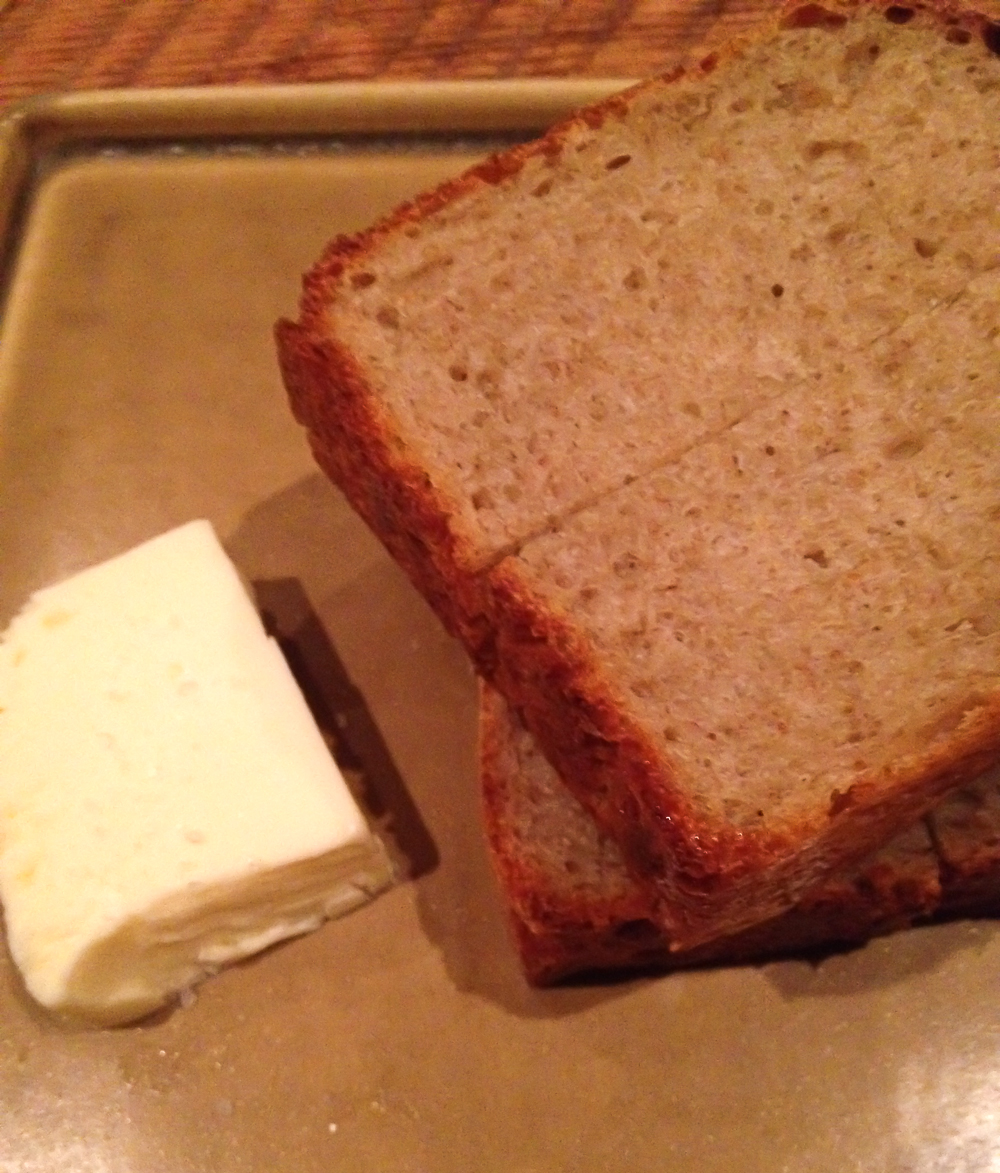
WILD FENNEL LEVAIN AND HOUSE-CULTURED BUTTER

The perfect bread for dipping – but also for eating by itself or with the house-made cultured butter. There are lots of excellent, famous bakeries in San Francisco – Acme, Grace, and Tartine to name a few – but this house-made bread has become another signature dish. The bread is made with a sourdough starter that has been maintained for years. The scent and subtle taste of foraged wild fennel pollen makes it unique. The butter is made from milk and culture that have been aged together for two days. Then the mix is churned. The butter is pressed and aged for another several days while the pungent buttermilk is saved for other uses. (You’ll see more about that later.)

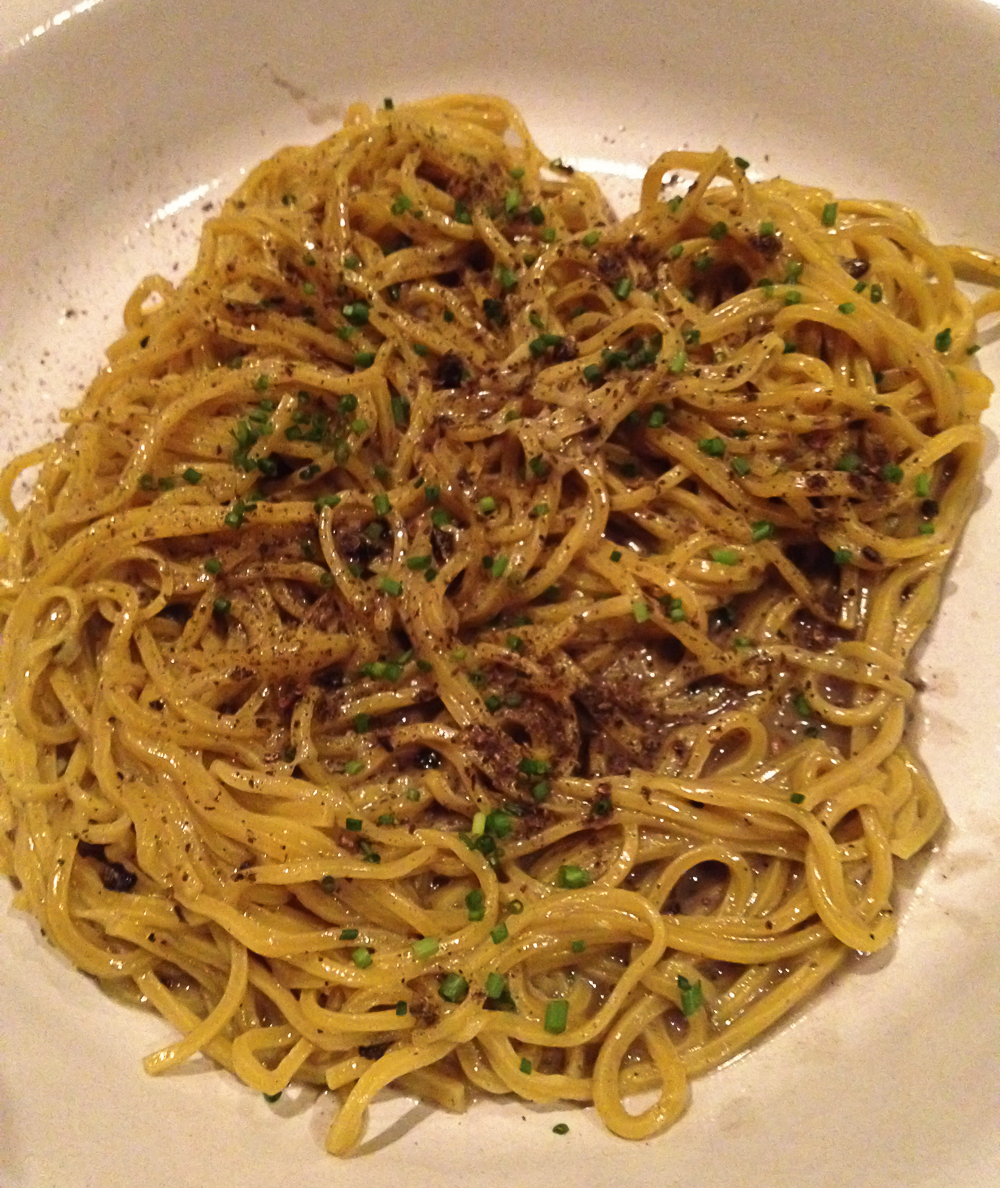
TAJARIN WITH CUITLACOCHE

The pasta originated in the Italian Piedmont. It is thicker than capellini but thinner than spaghetti. In Alba, a traditional dish is tajarin served with a sauce of black truffles. Thus, it is appropriate with cuitlacoche (corn smut, maize mushroom), a fungus that sometimes develops on ripening ears of corn. In Mexico it is a great delicacy and has been called “Mexican truffle”. Small wonder because it brings a chestnut color to the sauce along with a complex earthy aroma and taste which are clearly reminiscent of fresh truffles at the peak of the season.

RABBIT CANNELLONI, NASTURTIUM, SUNGOLD TOMATOES

An elegant pasta roll filled with tender rabbit and bathed with an herbal, slightly sweet sauce that makes you want more. The nasturtiums with their delicate blossoms and showy tiger stripes look too beautiful to eat, but they’re not. An elegant dish.

KING SALMON, BOK CHOY, TOASTED BUCKWHEAT, YOUNG GINGER

The bok choy and subtle ginger set an Asian note while the crunchy toasted buckwheat kernels offer an interesting contrast to the tender salmon fillets.

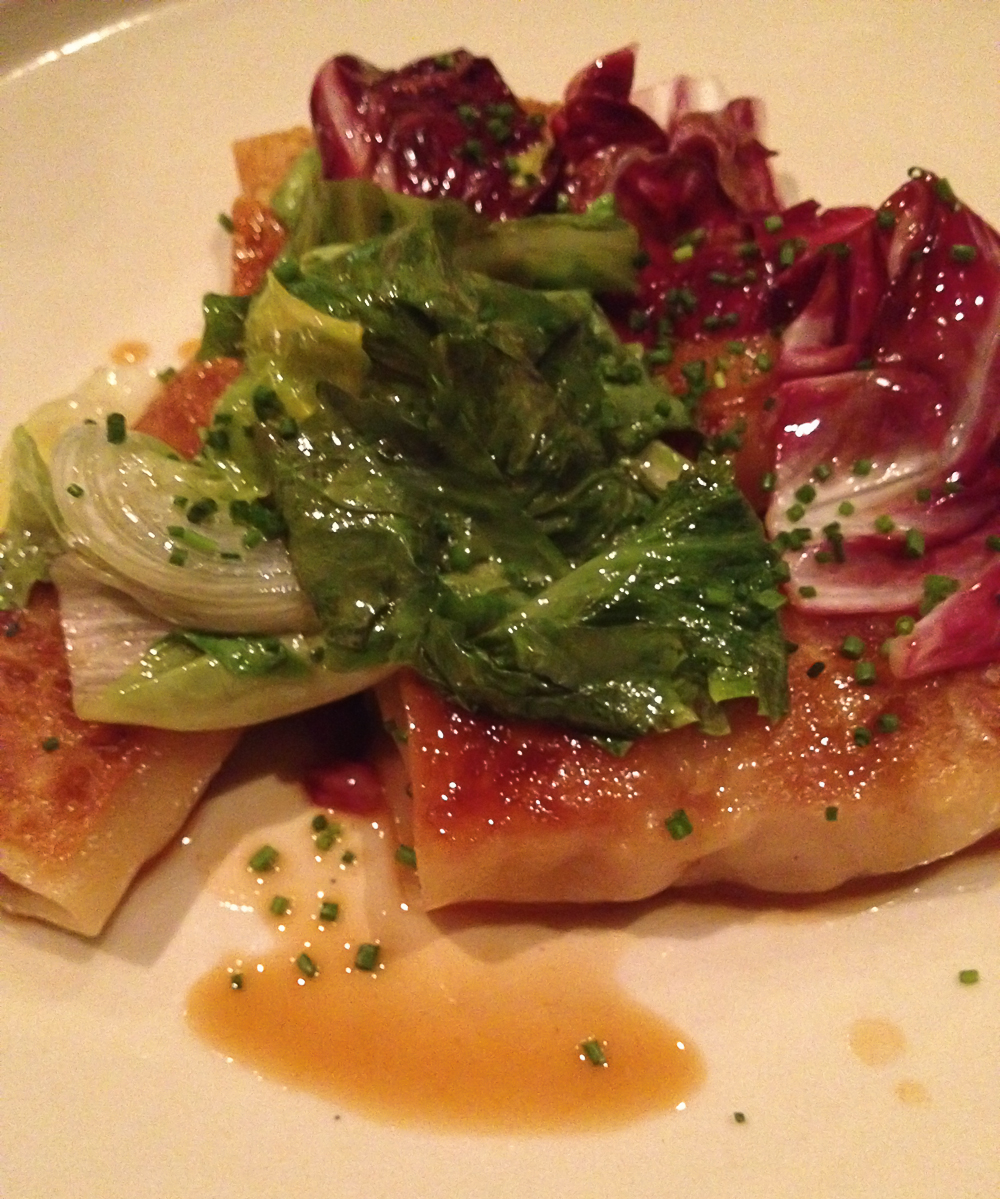
SWEET GLAZED PORK DUMPLINGS, BRAISED ESCAROLE, RADICCHIO

Delicate  rolls if pasta stuffed with a fluffy farce of pork augmented with airy egg whites and unctuous pork fat. The sweet glaze is caramelized so that the dish becomes a sophisticated pot sticker.

That’s it – only thirteen savouries, and we finished all of them. Then came dessert.

MUSKMELON GRANITÉ

The dish came to the table resembling a drift of melon-colored snowflakes, and the first spoonfuls added to the image. Then the surprise: buried in the bottom were perfect cubes of ripe melon and a ball of melon-flavored cream made with a siphon.

PANNA COTTA WITH PLUMS AND ALMOND CRUMBLE

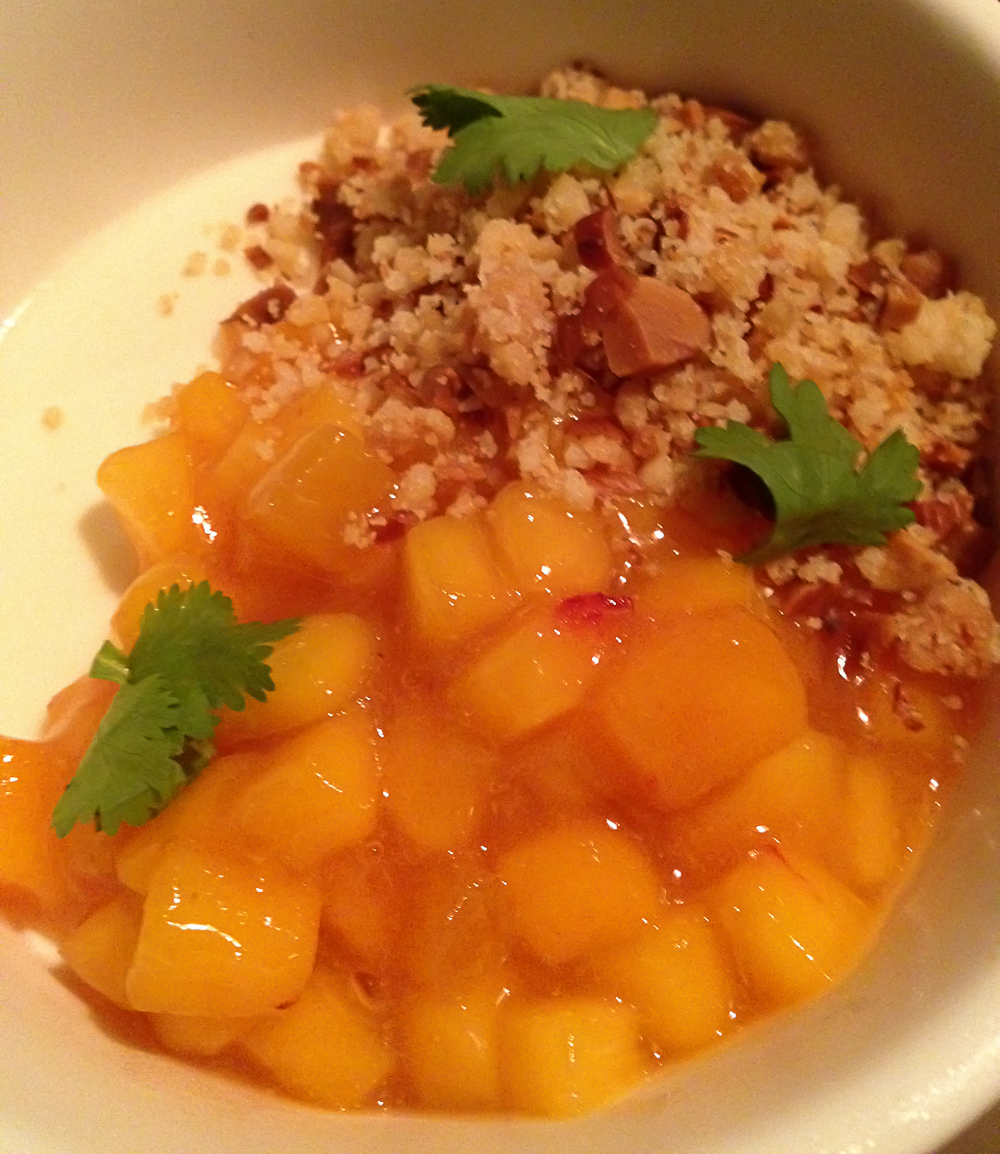
So good that Susan started eating before I could take a picture, so here is an image of the fresh peach version from earlier in the season. This has become another signature offering.

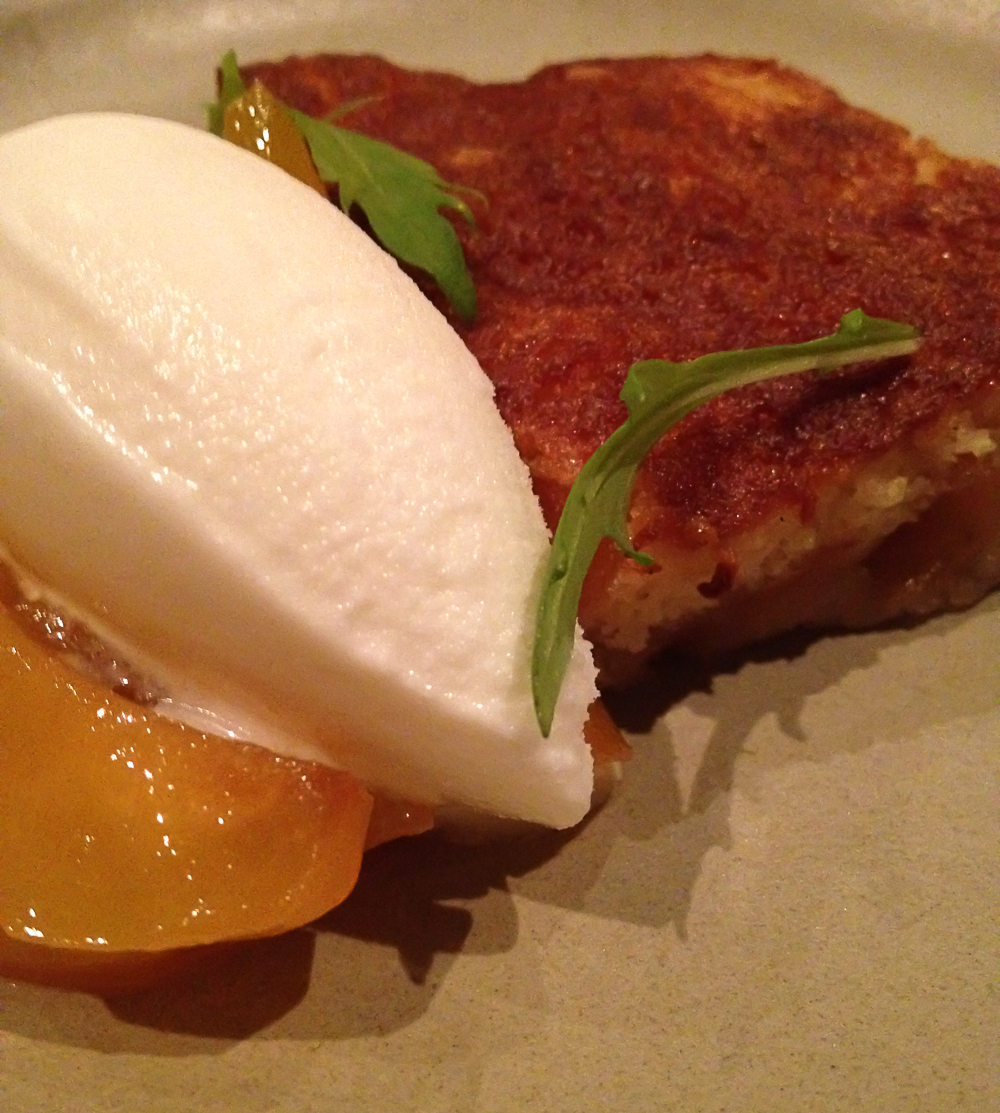
PLUM CAKE WITH BUTTERMILK ICE CREAM

The cake oozes moisture and flavor. Not too sweet, but sweet enough with the subtle flavor of seasonal plums and a poached plum on the side along with a quenelle of buttermilk ice cream, tangy and smooth as silk. The buttermilk comes as a by-product of the house-churned butter. Some by-product!

That was it! No more, though no more was needed. Clearly a tour de force of creative American cooking with overtones of French, Italian, and Japanese. Can’t wait to visit again.

7 Comments

Filed under Food, Photography, Restaurants, Travel

FAMILY CELEBRATION: THE TIPSY PIG AND A BLOODY MARÍA

As part of our recent family gathering to celebrate a special birthday for Susan, some of us were able to go to brunch together. Sarah and Evan were busy getting ready for service at their new restaurant, so they were not able to attend. Kevin was at the library. Everyone else gathered on the back patio of The Tipsy Pig not far from the San Francisco Marina. The weather was beautiful, and the restaurant was friendly with excellent service.

There were lots of interesting drink choices. I picked the Mary Pig, a classic bloody mary. It was extremely well made and decorated with olives and a stalk of celery.

Food choices were even better.

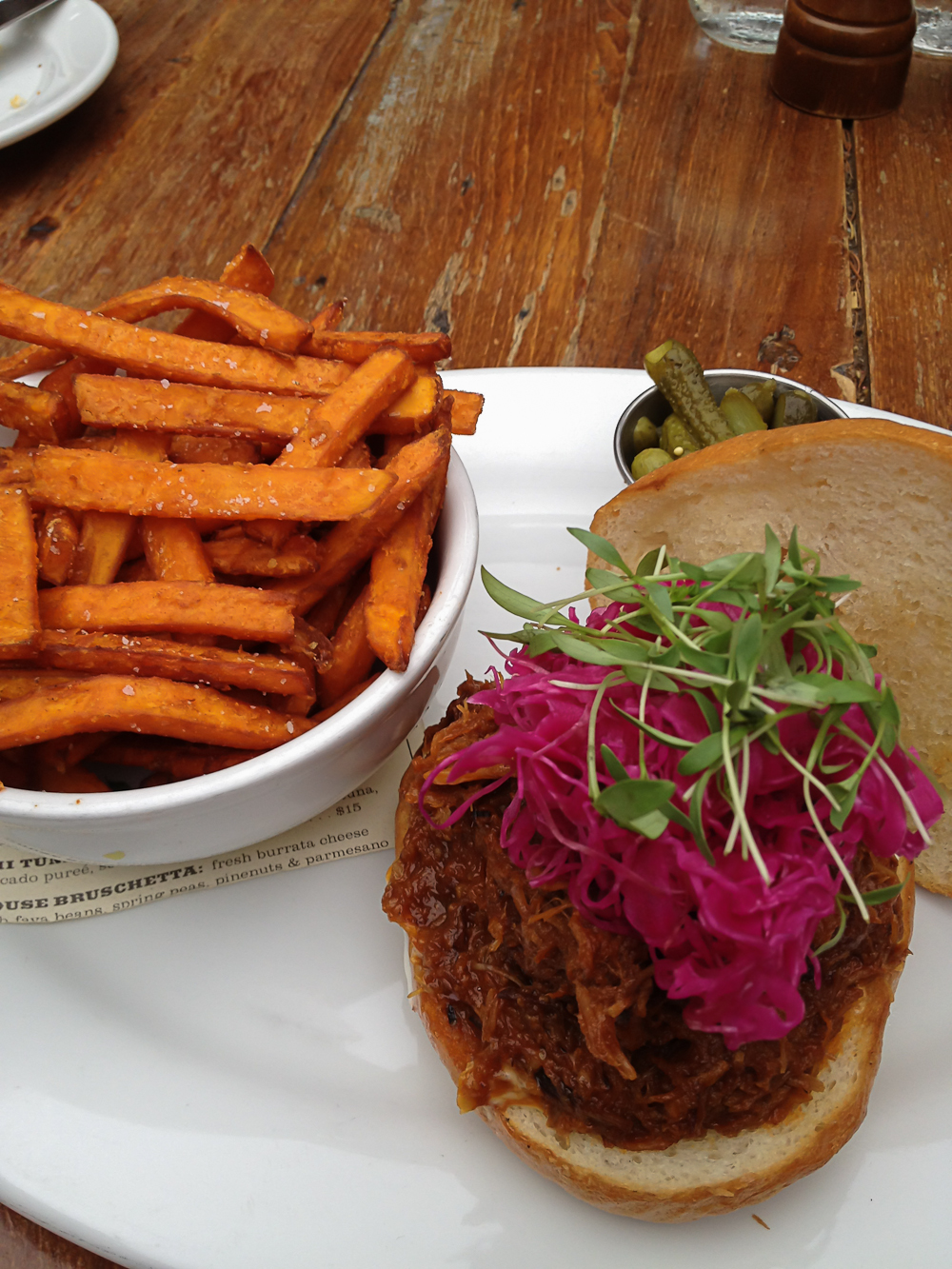
The Chimay braised pulled pork sandwich was with served aioli, and red cabbage slaw came with sweet potato fries. It was beautifully presented and very tasty.

The chive-goat cheese scramble was beautiful: two squares of golden eggs scrambled with goat cheese, served on squares of thick toast and prosciutto, topped with Meyer lemon beurre blanc and a side of wax beans.

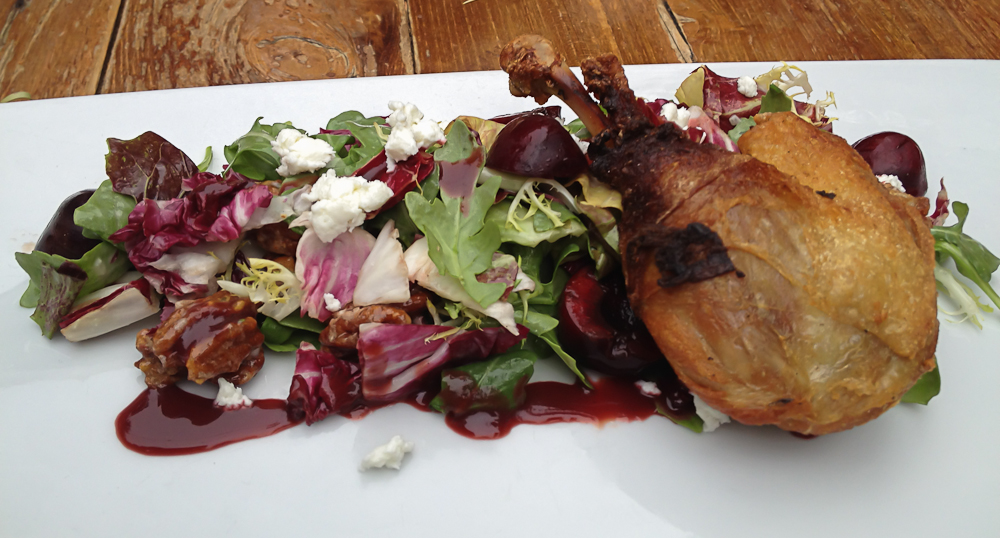
The crispy duck confit came as a generous-sized duck leg  finished with radicchio, spiced pecans, goat cheese, and bing cherries with champagne-tarragon vinaigrette.

I chose huevos rancheros. This is one of my favorite dishes, but this version was unlike any I have ever seen. It was beautiful, not to mention tasty. A perfectly cooked egg was served on rolled tortillas and a bed of black beans, sauced with salsa verde, and dressed with pico de gallo and avocado. Crumbled asadero cheese garnished the top. It was a wonderful choice.

One of these days I plan to share my recipe for huevos rancheros, but today I would like to give you the recipe for my version of a bloody maría – a tequila-based bloody mary.

RECIPES

Chile Powder Salt

Ingredients

  • 1 teaspoon powdered chile (not chili powder). Temperature is your choice
  • 1 tablespoon coarse kosher salt

Method

  • Mix the chile powder and salt in a small bowl with a wide enough brim to accept the rim of your drinking glass

Bloody María

Ingredients

  • chile powder salt
  • 2 ounces tequila
  • 1 ounce fresh lime juice
  • 4 ounces mixed vegetable juice (V8 or the equivalent)
  • ¼ teaspoon Worcestershire sauce
  • dash Chalula hot sauce to taste

Method

  • Moisten the rim of the serving glass with the lime rind left over from squeezing and dip in the prepared chile powder salt
  • Combine tequila, lime juice, vegetable juice, Worcestershire sauce and Chalula hot sauce in a cocktail shaker with a cube of ice and shake well.
  • Strain into the serving glass.
  • Garnish with half a fresh jalapeño and a spear of jícama lightly dusted with powdered chile

2 Comments

Filed under Food, Photography, Recipes, Restaurants, Travel

RICH TABLE: JUST DESSERTS WITH SARAH RICH

As Rich Table has gotten up and running, they have focused on their menu of savory dishes. Sarah and Evan work closely to develop that menu, which changes daily. Almost by default Sarah has been responsible for the baking and the dessert menu. Even though her training and experience have been in savouries on the line, she has also done pastry. So it was natural for her to take on that responsibility. As well, she has taken responsibility for selecting the cheeses for the cheese plate, to be served with grilled levain drizzled with honey. Each evening is a classic presentation of one sheep-, one goat-, one cow-milk choice –  on a recent visit these were Ossauiraty, Onetik Chabrin, and Templais du Fleuron, respectively – as well as hard, soft, and blue.

One of the most popular “bites” at Rich Table has been fennel-scented levain served with cultured butter. Some have wondered why the restaurant charges for this dish when many restaurants provide a “free” bread basket. The answer lies in the preparation of the dish. Sarah and Evan forage for wild fennel pollen. The harvested pollen is used as the key flavoring in the popular bread. Leaven for the bread comes from a years-old culture which Sarah feeds on a daily basis and then readies each night for bread baking. The recipe has been specially developed, and the bread is baked daily; then served warm, soft and fragrant. The butter comes from cream to which a culture is added and allowed to age for several days before it is churned, kneaded, and hand-formed in house. All of this seems like a lot more effort than placing a daily order from Acme Bread.

If you just need a little sweetness at the end of the meal, go for the mixed melon granita. It’s very light as it rests on flavorful bites of melon.

Mixed melon granita

Caramelized olive oil cake with strawberries and miso is delicious and flies in the face of convention. Harold McGee in Keys to Good Cooking says that fats and oils make cakes moist by interrupting the protein-starch structure. In most recipes the fat recommended is butter for flavor or vegetable shortening for lightness. Oil is not commonly used. Interestingly, King Arthur Flour’s Baking Companion says that one insurance salesman, Harry Baker, made a good living selling chiffon cakes to Hollywood celebrities until he sold the secret recipe – using vegetable oil – to General Mills in 1947. Since then, there have been many cake recipes developed using vegetable oil including popular carrot cake, applesauce cake, and vegan cakes. However there remains the caution in several popular cookbooks not to use olive oil as the strong flavor will spoil the cake. This caramelized version is evidence that olive oil is wonderful in cake and a perfect foil for roasted strawberries and  miso with cream cheese.

Caramelized olive oil cake with roasted strawberries and cream cheese

Salted chocolate sable with fresh raspberries, sorrel, and chocolate cream is a chocolate lover’s dream come true. The sable is a crisp thin cookie with just enough salt to play off the berries and creamy chocolate cream beneath it.

Salted chocolate sable with raspberries, sorrel, and chocolate cream

Buttermilk panna cotta seems ordinary enough, but the fresh  stone fruit sauce and almond crumble elevate it to a unique offering.

Buttermilk panna cotta with stone fruit and almond crumble

Any one of these desserts is a perfect choice to end your meal. Better yet, share several with your dinner partners.

Leave a comment

Filed under Food, Photography, Restaurants

YELLOWSTONE NATIONAL PARK – SHRIMP AND MUSHROOM RISOTTO

The last stop on our Rocky Mountain marathon was Yellowstone National Park. We have been there many times, but we have never stayed at the Old Faithful Inn, so that was one of our main objectives on this visit.

It is a several-hour drive from Glacier to Yellowstone, but the scenery is so absorbing that the time passes quickly. Montana is gorgeous, and there are many spectacular mountains beside those in Glacier. The plains are beautiful with rolling hills, great green pastures, and trim ranch houses. As we got closer to Yellowstone, the mountains and forests again took over the view, and we saw several of the famous and beautiful rivers that have inspired writers, painters, photographers, and fly fisherman from as far back as Lewis and Clark – The Yellowstone, the Gallatin, the Madison – and we would soon see the Fire Hole.

West Yellowstone was like all of the entry villages of national parks, crowded with tourists and filled with ice cream stores and curio shops. Yet once inside the park, the beauty became overwhelming. Many wild animals, rushing streams, perfect vistas, and far-away mountains.

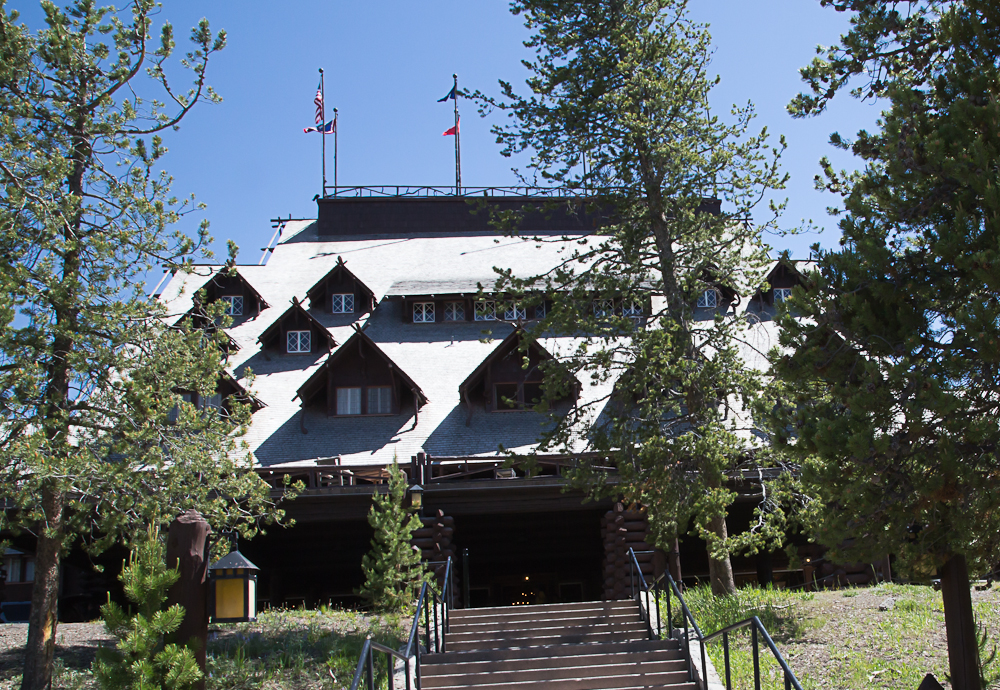
We arrived at Old Faithful Lodge in the early afternoon. Parking lots were full, the lobby was jammed, and there was a long line of people waiting to check in. Once we arrived in our room, it was like stepping back in time. Our room was in the Old House, the iconic lodge famous in pictures and opened in 1904. The room had been updated a bit, but we still had to go down the hall to the communal bathrooms. That was a seeming inconvenience which we soon took in stride for the pleasure of staying in this historic and wonderful lodge.

Old Faithful Inn

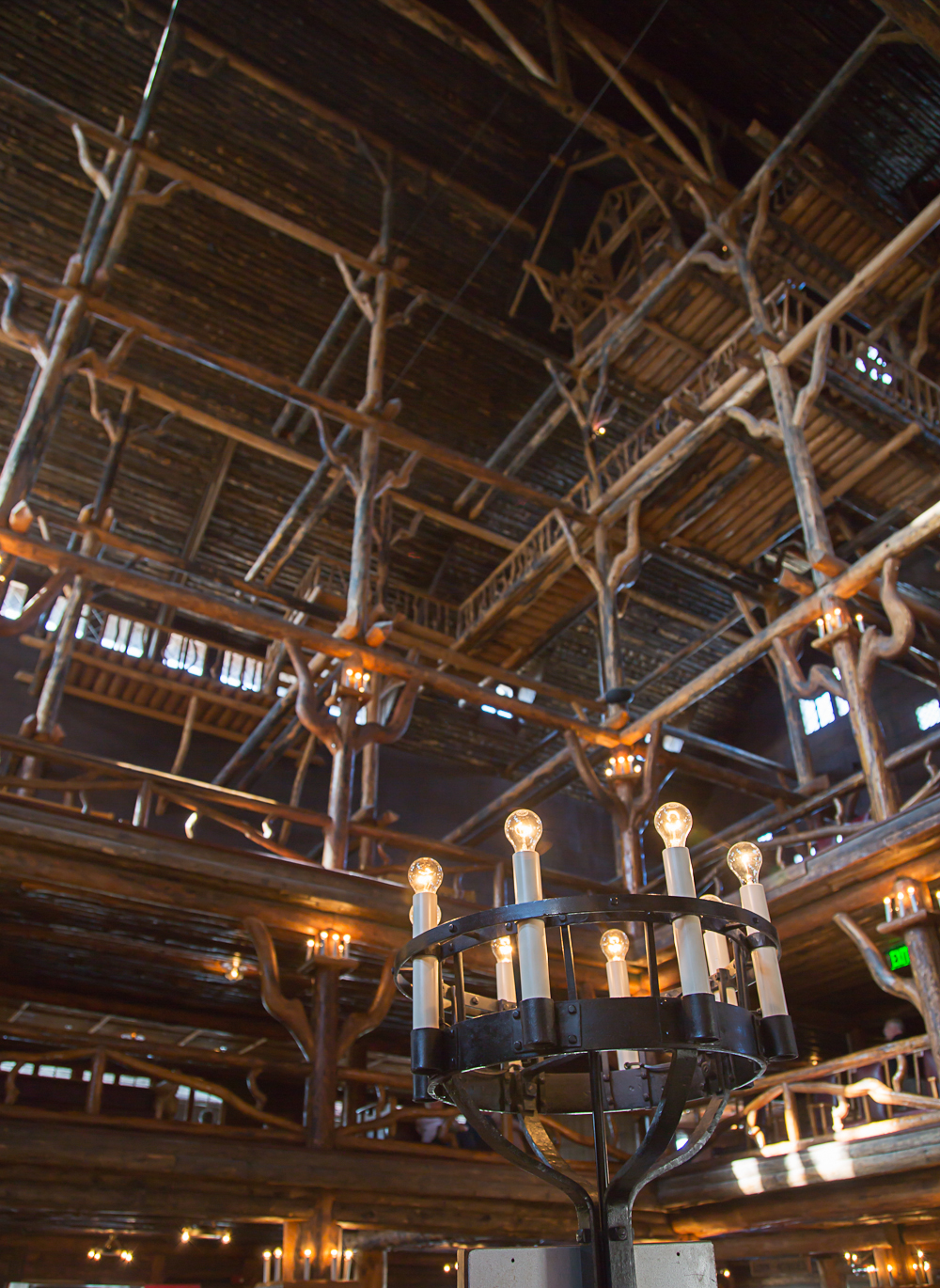
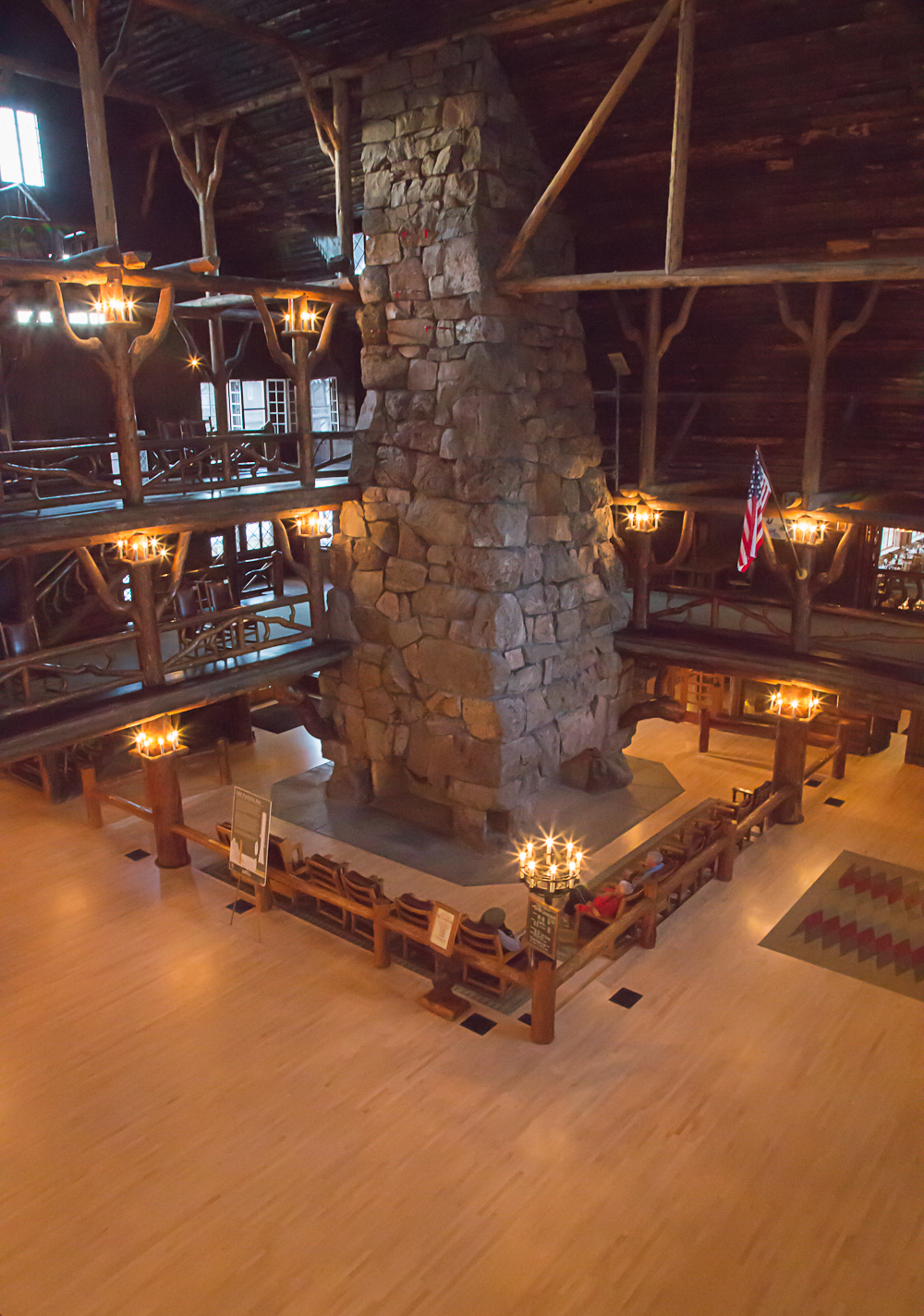
Back in the lobby, we gasped with the other tourists at the enormity of space. The log ceiling reached up many storeys  nearly 80 feet above the lobby floor with the massive stone fireplace serving as the focal point.

Looking up to the ceiling of the lobby at Old Faithful Inn

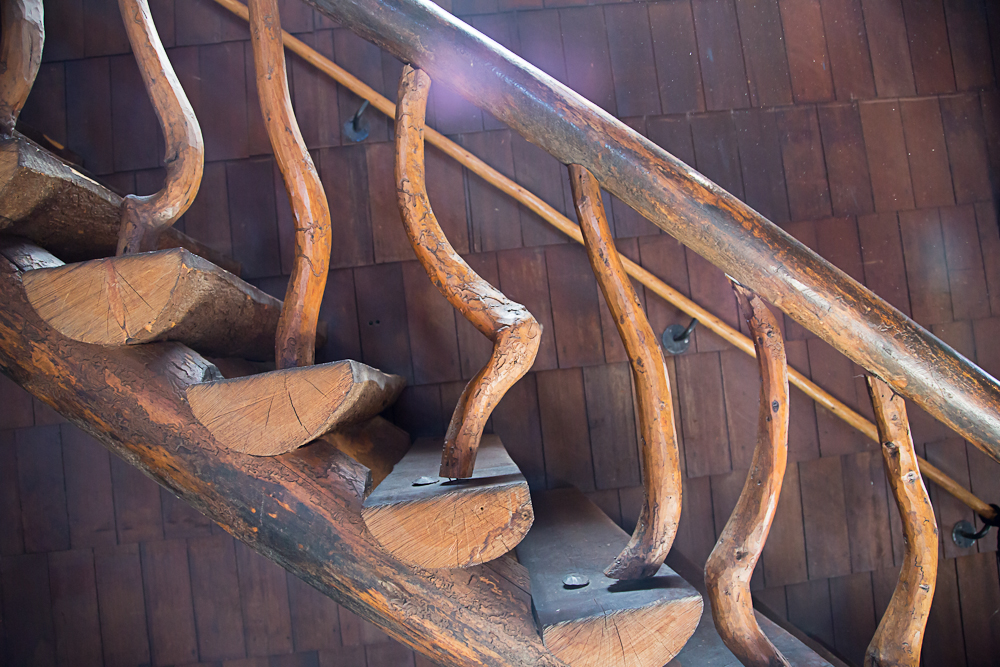
Detail of stairway in Old Faithful Inn

The detail was inspiring. Each staircase was a work of art with twisted pine limbs serving as the balusters. Similarly the supporting posts on each floor were carefully matched twisted limbs.  Even the outside supports on the verandah were carefully matched and polished to a sparking gloss.

The fireplace and Great Clock in the lobby of Old Faithful Inn

Later, I found that the best time to enjoy the beauty of the lobby space was at 4 AM when all the lights were still ablaze but the visitors had gone to bed, and the cooks were not yet awake.

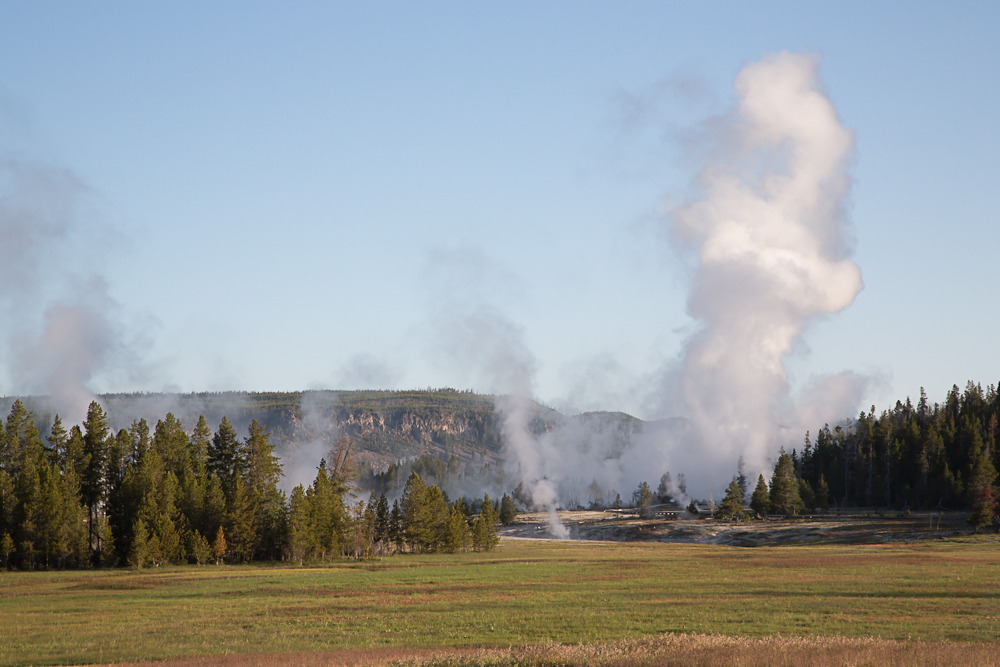
Old Faithful Geyser Basin

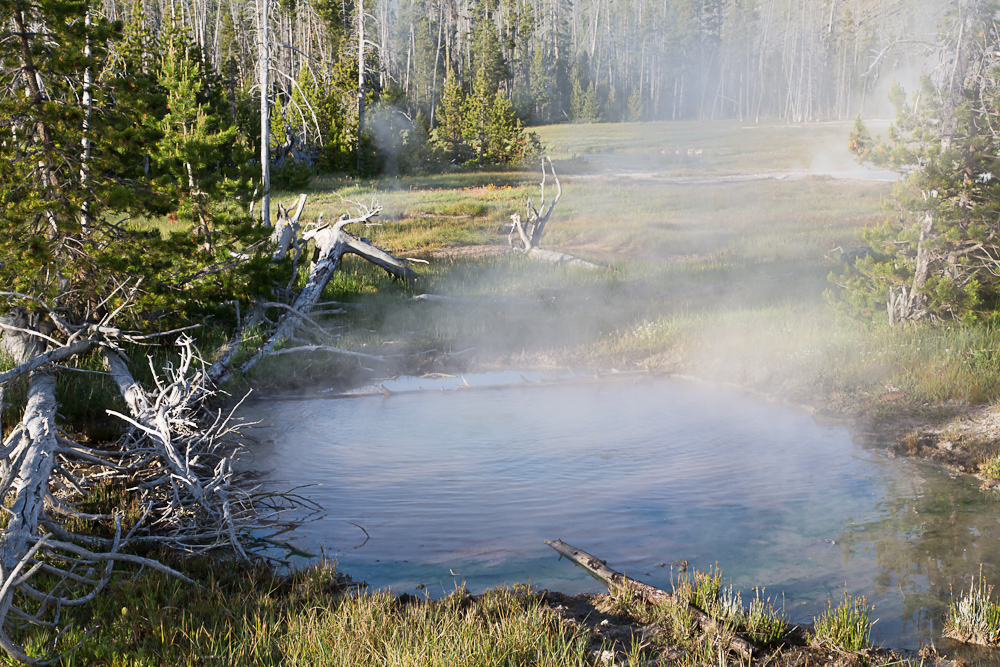
Road-side pool

We learned another thing, too. We arose at dawn each day of our visit to visit the geyser basins, lakes and rivers. The wildlife was out, but the tourists were still asleep, and we had the park nearly to ourselves. By noon, the crowds had awakened and the crush of humanity was almost too much.

Blue thermal pool

Steam rose from the geysers. Crystal clear water glistened in the hot pools lined with colors of emerald, pink, and cobalt blue.

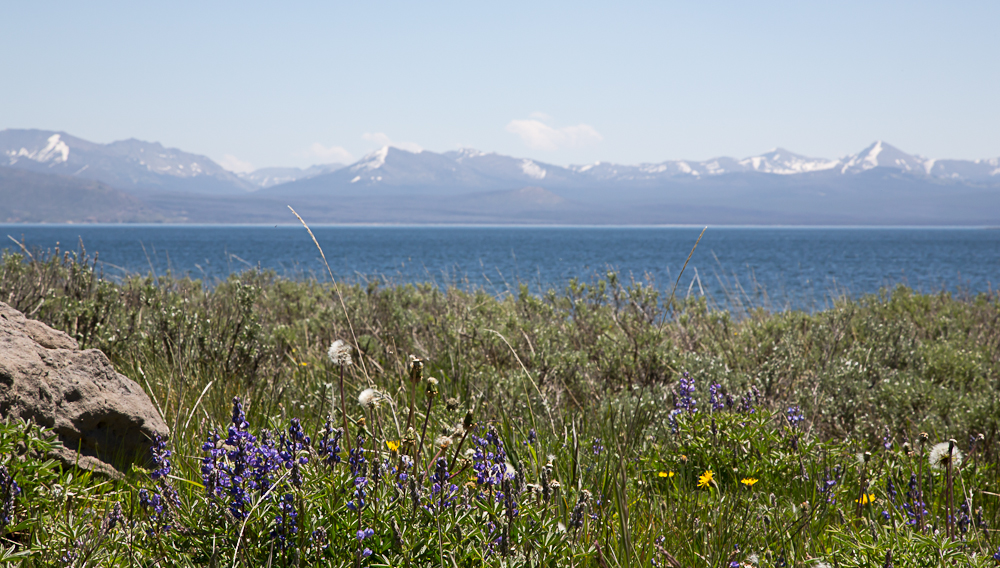
Yellowstone Lake

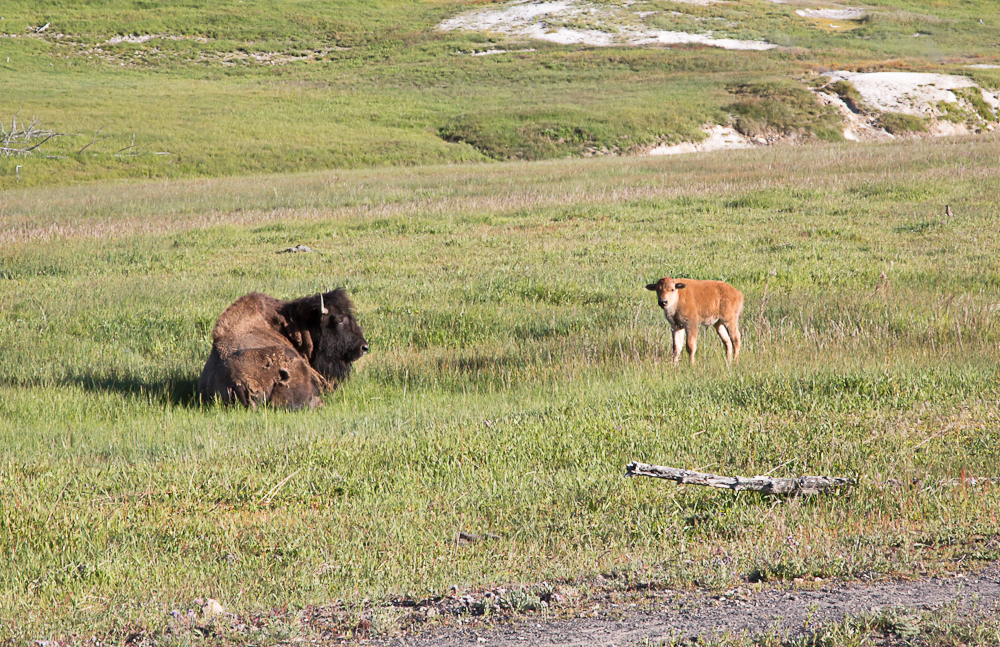
Mother bison were tending their calves along the roadside, and deer and elk hid in the shadows of the forest. We did not see any bears, but our wildlife experience was still thrilling.

Mother American bison and calf

Watching Old Faithful Geyser erupt was a treat as we sat on the verandah with gin and tonic in hand .

The big disappointment was eating dinner in the dining room. The room was beautiful, and it had been preserved and restored to its early glory. One tried to imagine early visitors dressing for dinner with the women in long gowns and the men with stiff collars and suit coats. The vision was impossible to hold in an atmosphere of very large men in short shorts and their equally large wives in fluorescent tube tops. The menu was filled with interesting-sounding choices, but that seemed like a waste of time as the very large men made repeated return visits to a buffet.

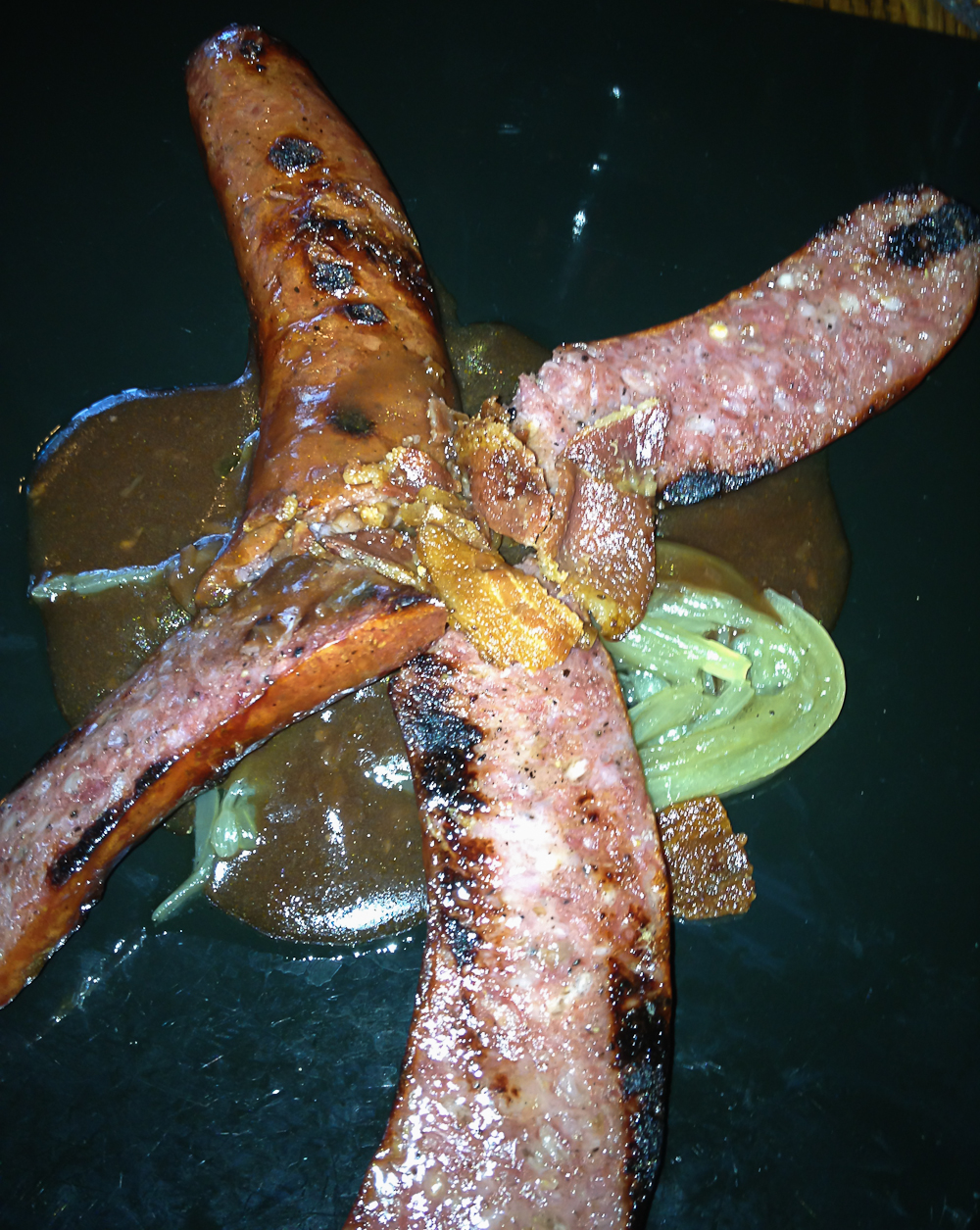
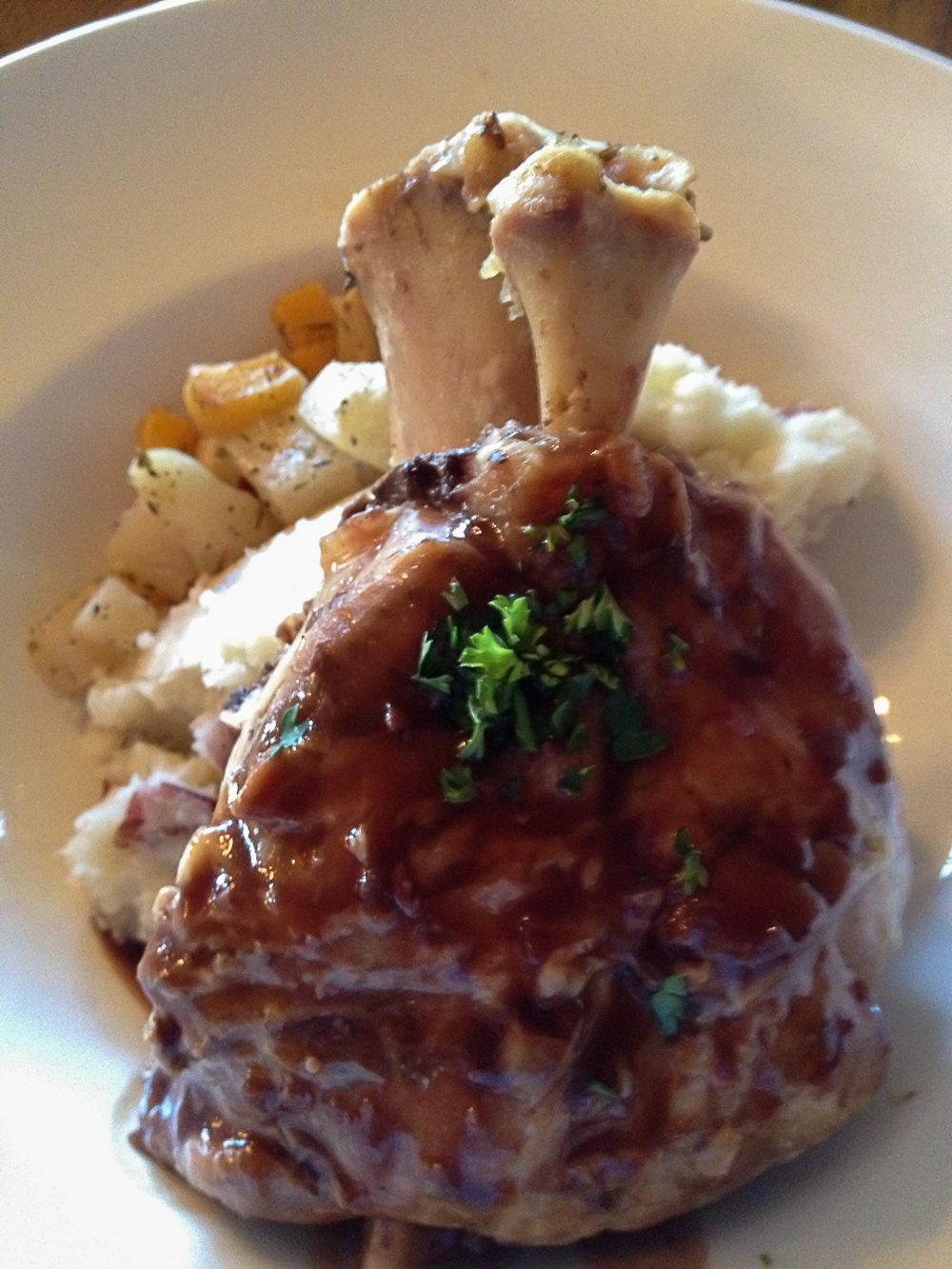
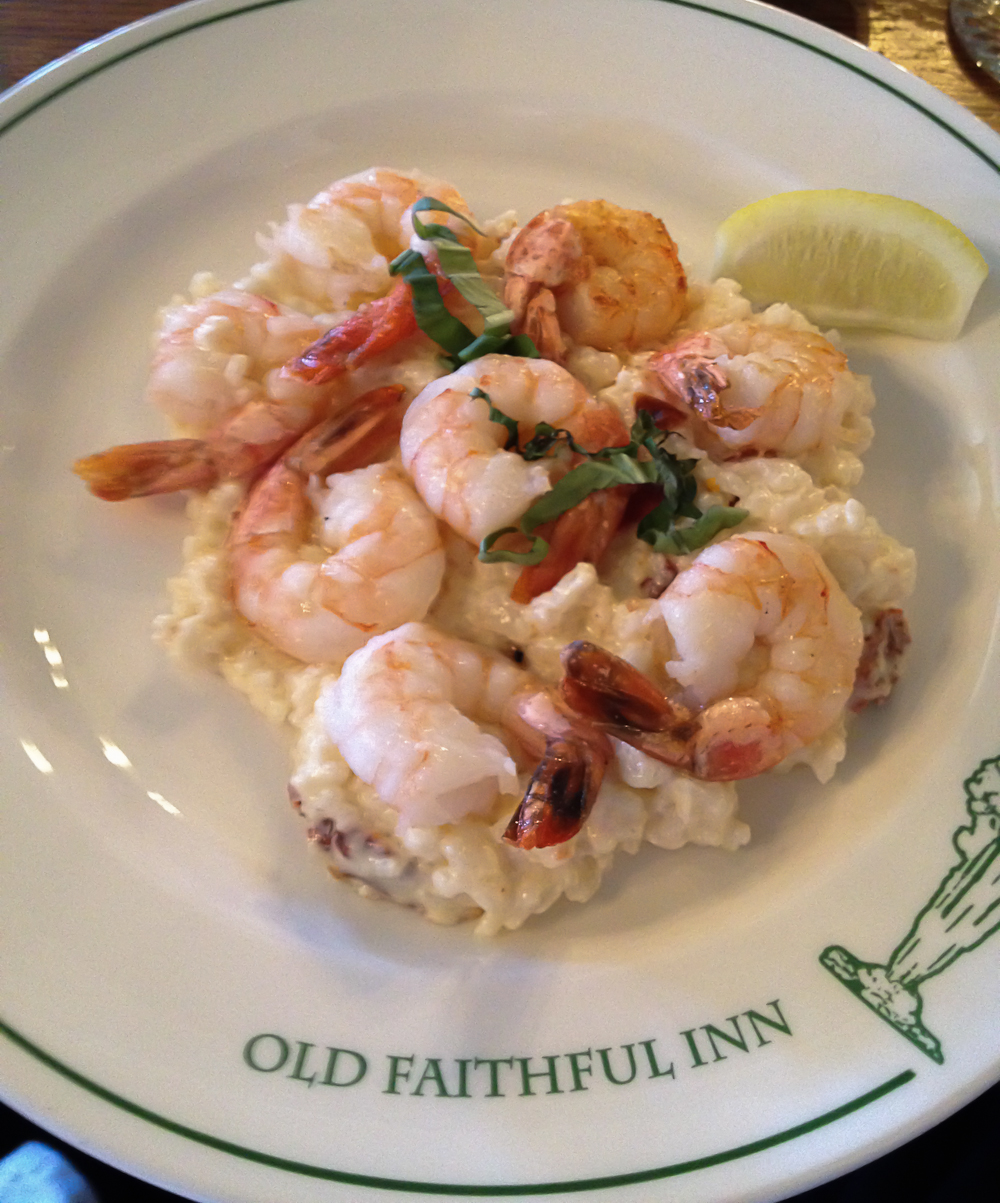
The food was ok, considering the huge number of meals served each day, but it didn’t match the surroundings (sans tourists). Among the dishes we chose were shrimp risotto, trout cakes, antelope sausage, and pork osso buco .

Trout cakes

Antelope sausage

Pork osso buco

Shrimp risotto at the Old Faithful Inn

Of these, I have tried to replicate the shrimp risotto.

RECIPE

Shrimp and mushroom risotto

Ingredients

  • 1½ cups vegetable stock
  • 1½ cups + 9 cups water
  • 1 pound shrimp, 16/20 size
  • 1 large carrot, peeled and chopped coarsely
  • 1 stalk celery, chopped coarsely
  • 1 medium white onion, chopped coarsely
  • 2 cloves garlic, peeled
  • 3 stalks parsley
  • 8 whole black peppercorns
  • 1 teaspoon salt
  • 1 ripe tomato
  • 1 pound shrimp, 16-20 size, with shells on
  • 8 ounces mushrooms, cleaned, trimmed and sliced
  • 3 + 3 tablespoons butter
  • ½ cup white onion, finely diced
  • 1 cup Arborio rice

Method

  • In a large pot, bring the vegetable stock and 1½ cups of water to the boil. Add the  carrot, celery, white onion, garlic, parsley, peppercorns, and salt  to the boiling water.  Simmer for 30 minutes. Squeeze the tomato into the pot and drop in the skin and flesh. Continue to simmer for another 10 minutes.
  • Add the shrimp, return to a full boil for 5 minutes. Remove the shrimp, peel, and chill.
  • Remove the stock from the heat, strain, and then return to the cleaned pot. Add 9 cups of water to triple the volume of liquid. Reheat to boiling.
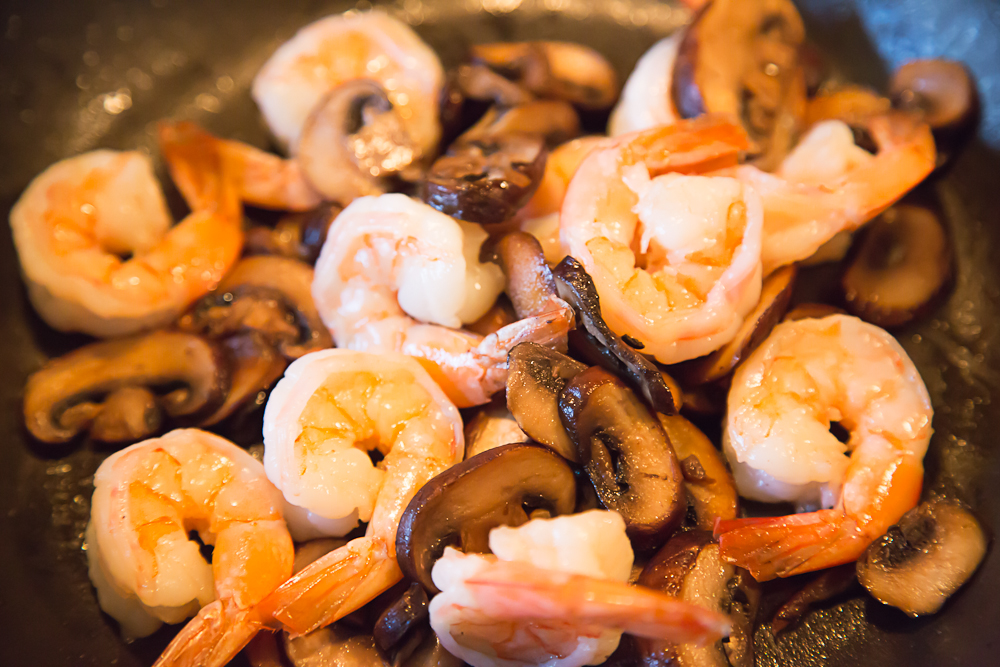
  • In the meantime saute the mushrooms in half the  butter (3 tablespoons)  in a small skillet over medium heat. Set aside in the skillet.
  • In a medium saucepan, melt the remaining butter. Then sweat the onions in the melted butter, covered  over medium heat.
  • When the onions are translucent but not browned, add the rice and cook, stirring constantly, until the rice grains become opaque but not brown.
  • Turn the flame under the rice mixture to high and immediately add one ladle-full of the boiling stock. Stir constantly until the liquid is absorbed. Add another ladle of the stock and continue the process of stirring and boiling until the rice is soft and creamy, about 30 minutes. Correct the seasoning with salt and pepper.
  • When the rice is nearly cooked, add the cooled shrimp to the skillet with the mushroom and heat over a medium-low flame.
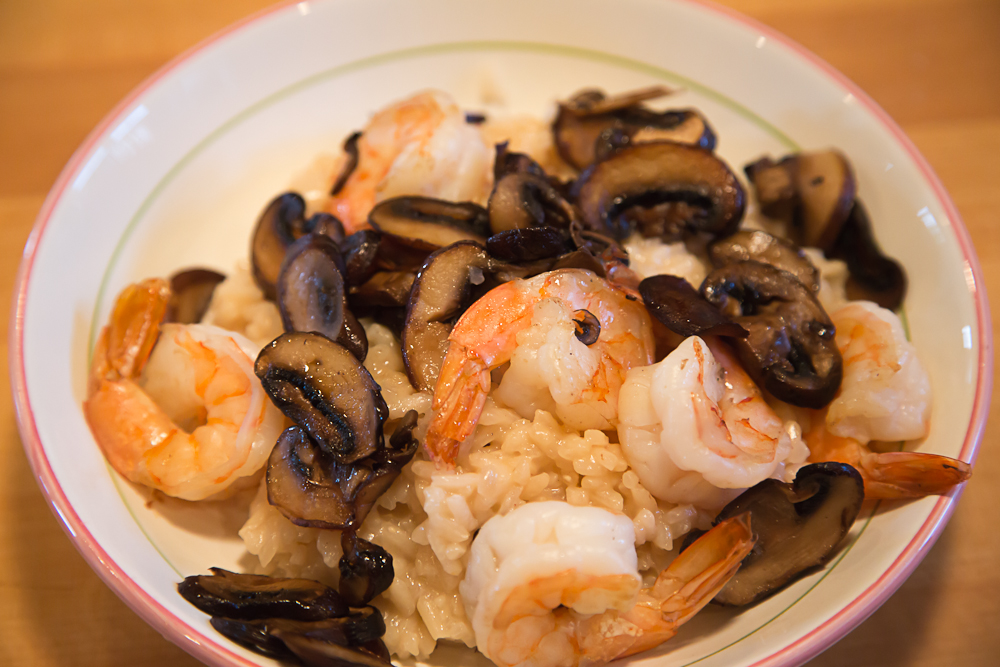
  • Serve the finished risotto in 4 soup bowls. Divide the mushrooms and shrimp into four servings each, place on top of the risotto and serve immediately.

Shrimp and mushrooms sautéing

Shrimp and mushroom risotto

9 Comments

Filed under Food, Photography, Recipes, Restaurants, Travel

THE BIG DAY IS FINALLY HERE! RICH TABLE OPENS!

Rich Table opened last night after months of preparation, years of planning, and even more years of goal setting.

Sarah and Van on the doorstep

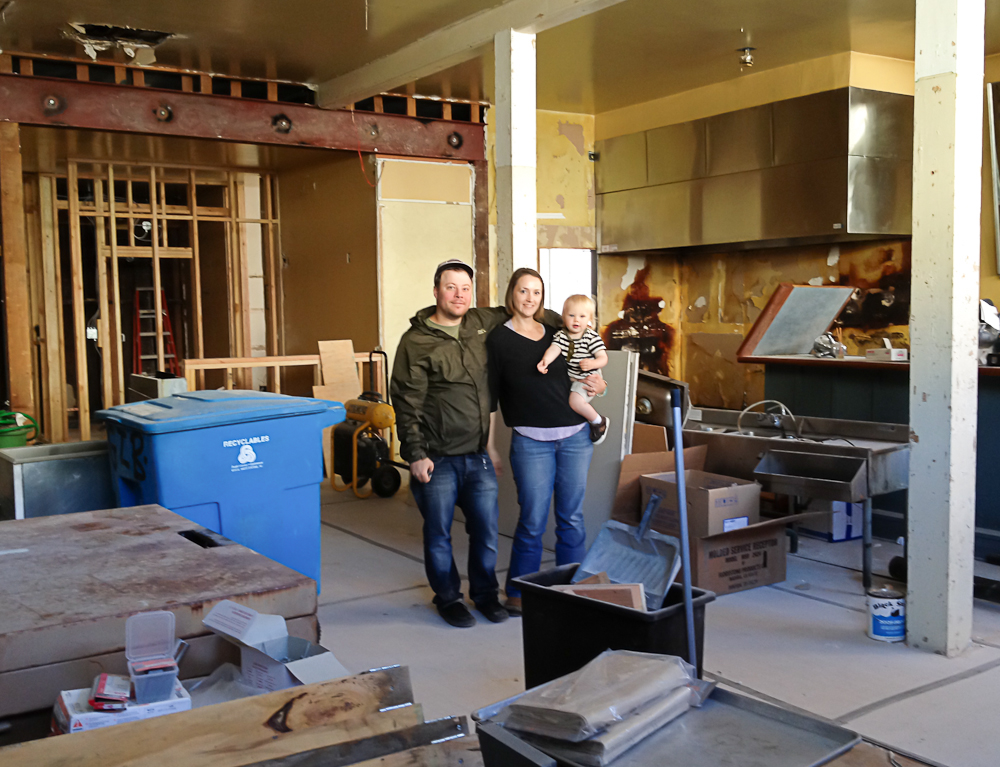
The big push started when Sarah and Evan got the keys to their restaurant space on the first of May. For nearly three months carpenters, plumbers, electricians, Sarah and Evan ripped out walls, moved bathrooms, replaced walk-in refrigerators, and refurbished stoves.  What seemed like an impossible task only three months ago has been completed with a beautiful restaurant and an exciting menu.

Gabe the amazing carpenter

Surrounded by construction

Samples from Maz’s great wine selection

Lots of people supported the effort.  Family and friends  contributed to the Kickstarter Project.  Maz Naba, in charge of the front of the house, has been responsible for developing a unique wine list and some clever cocktails. Said-Jonathan Eghbal, the interior designer, helped Sarah and Evan realize the image they had for the space. Gabe, the amazing carpenter, solved countless construction problems and paid attention to details. Postcard Communications implemented a creative public relations program which included a web site capturing the feel of the space and the food.

“The Beam”

The space is finished. It accomplishes the goal of welcoming the diner in a relaxed but stylish atmosphere.  A huge steel red support beam has become an important part of the decor. The walls are covered  with rustic wood salvaged from an old sawmill. Colors are  muted blues, greens, and wood tones.  Lights hang down from the ceiling on industrial pipes to complete the relaxed environment while tables and chairs pick up the comfortable feel.

Tuning up the kitchen

Sarah and Evan plan to change the menu frequently to reflect the freshest available local ingredients. Still, you can get an idea of what some of your choices might be from a look at their sample menu:

  • wild fennel levain with house-cultured butter
  • sardine chips with horseradish and wild arugula
  • plancha bread with roasted cauliflower sprouts
  • peas, marble potatoes and nasturtium vinaigrette
  • ricotta agnoloti, pork belly, favas, douglas fir
  • duck breast, stone fruit, farro, cress
  • hanger  steak, button mushrooms, piperade, nettles

Unfortunately we couldn’t share in the festivities of opening night, but we plan to visit the restaurant soon.

You can check it out, too

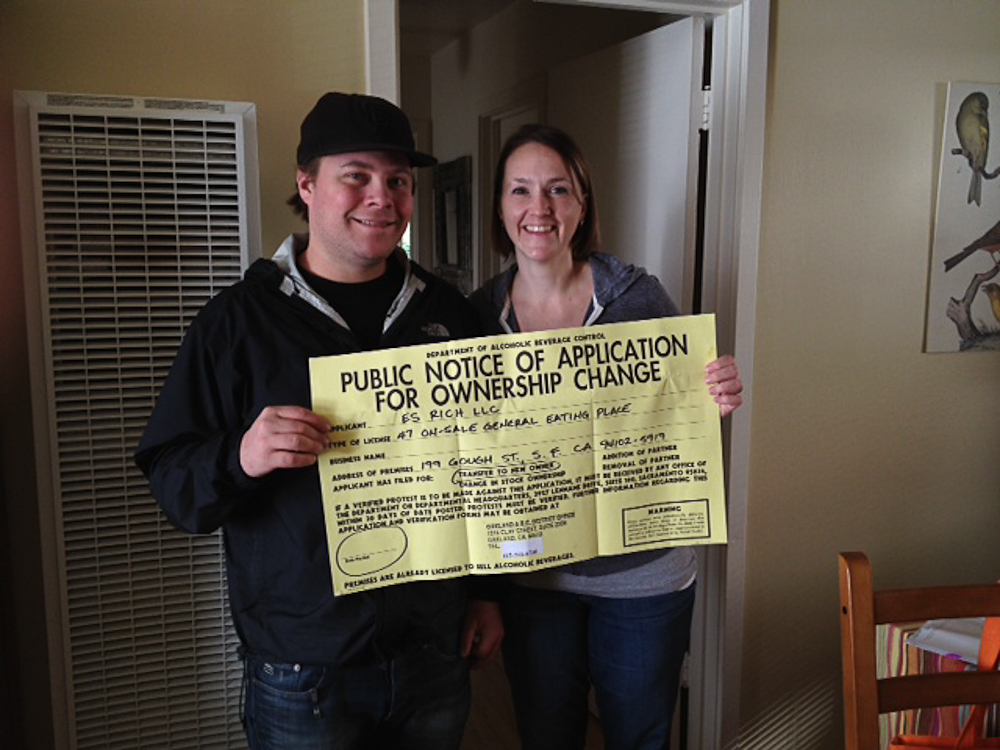
Opening night

Rich Table, 199 Gough, San Francisco, CA 94102, 415-355-9085, richtablesf.com

4 Comments

Filed under Food, Photography, Restaurants

GLACIER NATIONAL PARK – CHAMOMILE AND GINGER PANNA COTTA WITH WILD BLUEBERRY SAUCE

Storm clouds over Lake McDonald

This summer has been one continuous trip. For a couple of weeks, we made the “Grand Tour” of the Rocky Mountain West. I have lived in the west nearly all my life, and we have spent many happy times in Yellowstone, the Grand Tetons, Rocky Mountain National Park,  Zion, and the other Utah parks, but I have never been to Glacier, so we planned this trip with a lot of excitement.

Roadside pool in morning mist

One of the reasons I have not visited Glacier is that it is a long way from just about any place. We spent three full days (twelve hours a day) driving with not many stops in between.

Rapids on McDonald Creek

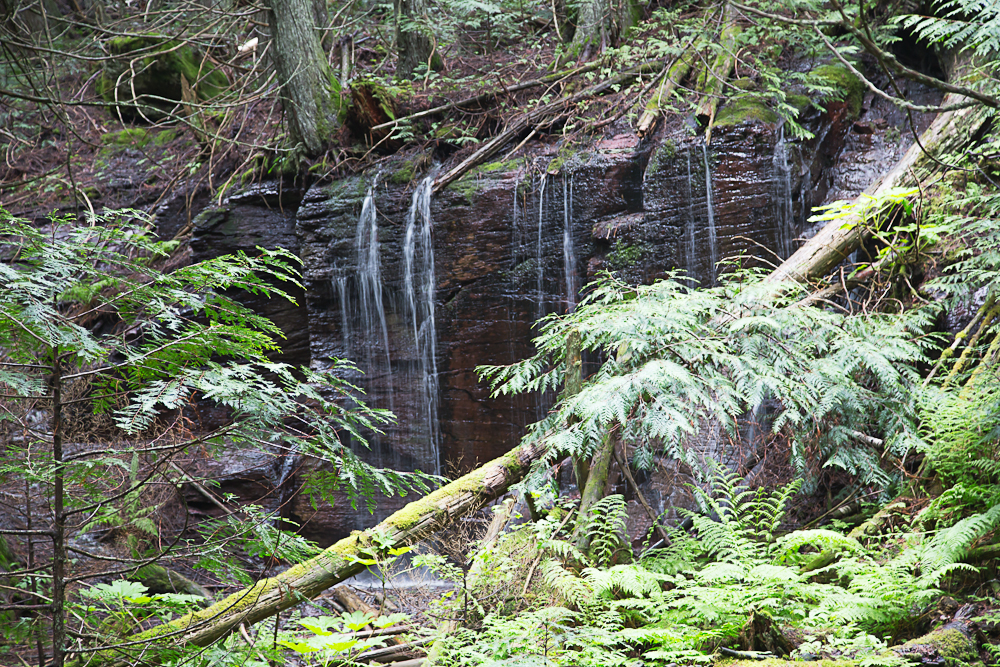
Forest waterfall

All that said, the visit was definitely worth the effort. We stayed in the pleasant but not elegant Village Inn at Apgar at the south end of the lake. Our room was right at the lake’s edge, and we had a breath-taking view of the major peaks of the park. No matter the weather or the time of day, we never tired of the view.

Sunrise over Lake McDonald

The scenery and the wildlife were both spectacular. Even though it was rainy for part of our visit, the clouds and mists added to the beauty. The Going-to-the-Sun Road turned out to be a not-to-be-missed experience. The road is built on a narrow shelf of the cliffs, rising from the valley floor to the summit dividing the eastern and western halves of the park.  There are waterfalls everywhere, glaciers and snow all around, water pouring out of the sheer rock faces of the mountain, and steep-walled overlooks. We were in luck because the road had opened only the day before our arrival. An additional bonus of that timing was that there were not many other visitors. Mountain sheep grazed unfazed alongside the road. Deer and elk could be seen in the forests beside the road.

Butterfly and lilacs

Lilacs were in bloom at our lodging, and butterflies covered the fragrant blossoms.  A short walk nearby took much longer than we anticipated because we kept pausing to admire wild strawberries, beautiful flowers, and the trademark Glacier bear grass.

Bear grass

Not unexpectedly, the most disappointing part of the visit was the food. The first evening we ate at a family restaurant just a short walk from our room. The menu did not look very exciting and I made the very unwise choice of fish and chips. Huckleberries are one of the iconic delicacies of the region, so we shared a huckleberry cobbler topped with ice cream. The huckleberries must have been in short supply because the dish was augmented with blackberries.

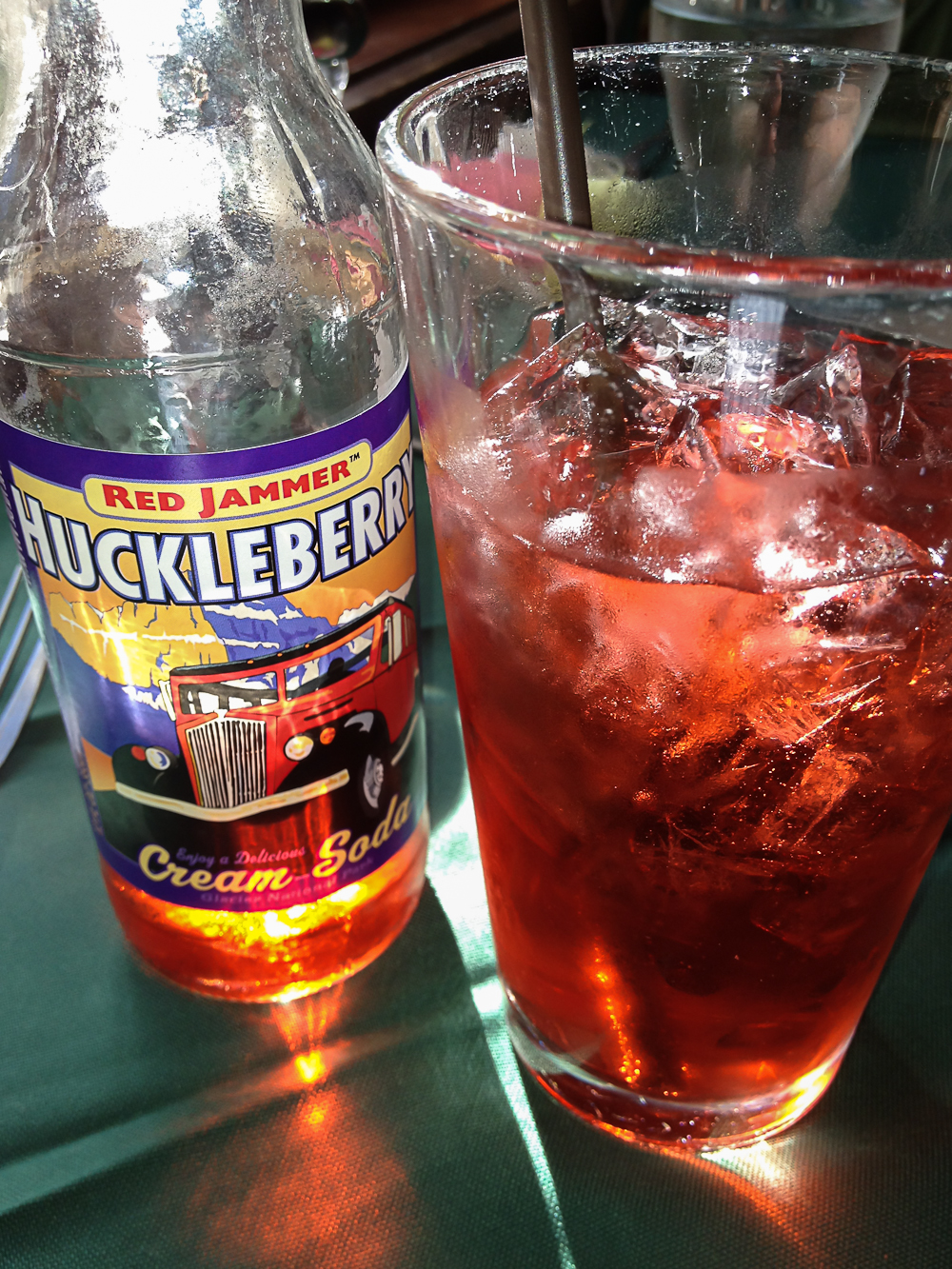
Huckleberry creme soda

Bacon and bleu salad – Lake McDonald Lodge

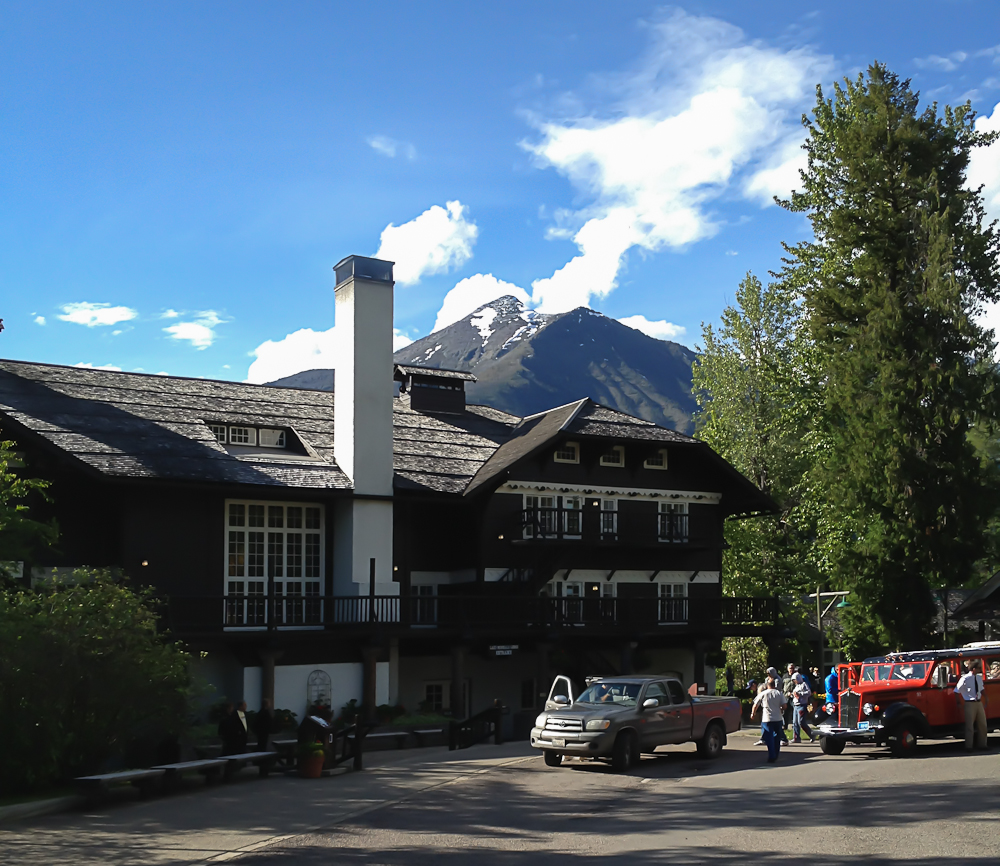
The next evening we ate in the dining room of the historic Lake McDonald Lodge. The setting was beautiful and historic. The food was ok. Perhaps the highlight was the huckleberry cream soda from a bottle labeled with an image of one of Glacier’s famous red buses. The food choices included several made with local game. The salad actually turned out to be quite tasty.

Lake McDonald Lodge

The famous Glacier NP red bus

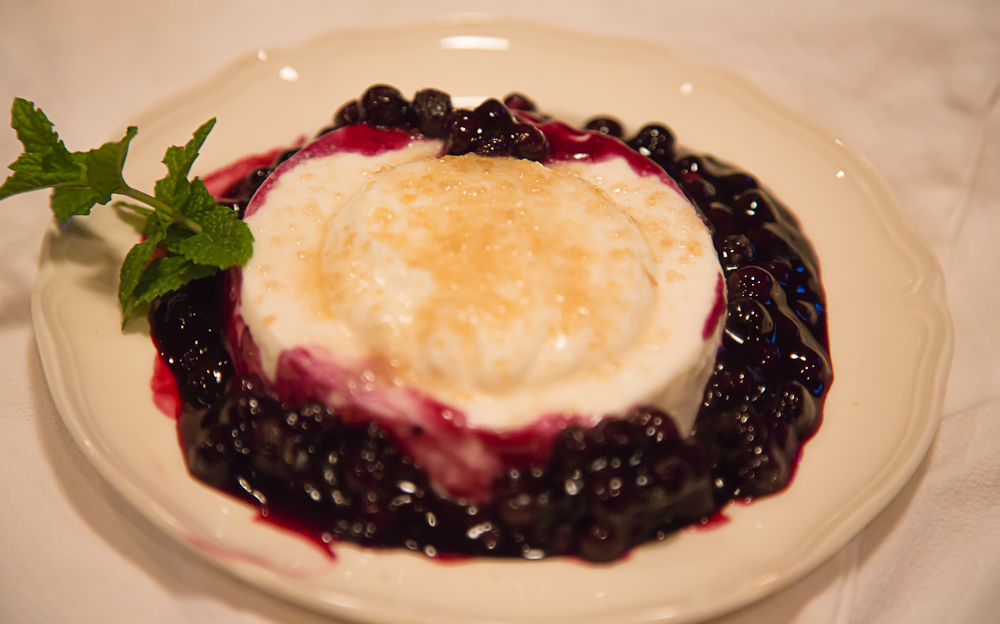
After all of this, I tried to think of a recipe that would capture our Glacier NAtional Park experience. Huckleberries immediately came to mind, but my search in various local grocery stores came to naught. Frozen wild blueberries wound up being the closest alternative I could find. Panna cotta seemed easier and more refreshing than a cobbler, So that’s what ended up being the recipe for this post.

RECIPES

Chamomile and ginger panna cotta

Ingredients

  • 2 cups heavy cream
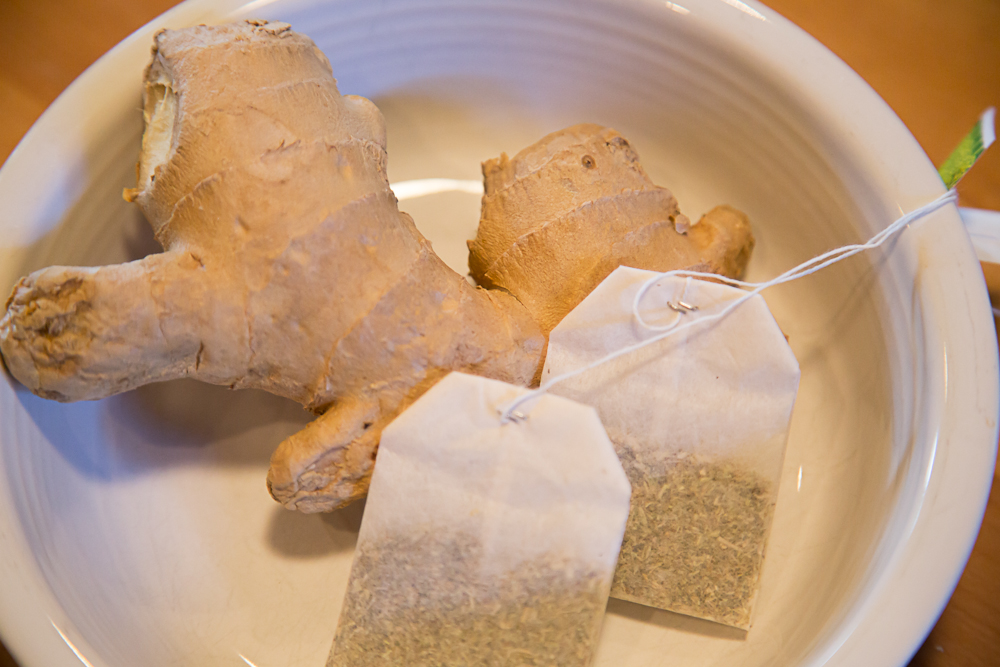
  • ginger root, peeled and cut into five little-finger sized pieces
  • 2 regular tea bags, chamomile tea
  • ½cup sugar
  • ½ cup cold water
  • 1 envelope unflavored gelatine
  • 1½ cups buttermilk

Method

  • Combine the cream, ginger root pieces, chamomile tea bags and sugar in a medium, heavy-bottomed pot. Stir to dissolve the sugar.  Bring just to the simmer over medium-low heat.
  • Lower the heat and steep for about 30 minutes. Remove the ginger pieces and tea bags. If there are little pieces of ginger floating in the mixture, strain. Return to the heat.
  • Meanwhile, place the water in a small dish, sprinkle the gelatine over the surface of the water, and allow to soften for about 5 minutes.
  • Add the softened gelatine to the warm cream and stir until the gelatine is completely dissolved, about 2-3 minutes.
  • Remove from the heat. Stir in the buttermilk, and ladle into 6 6-ounce ramekins. Cover with plastic wrap and refrigerate for at least 2 hours or until the panna cottas are set.

Ginger root and chamomile tea bags

Wild Blueberry Sauce

Ingredients

  • 10 ounces frozen wild blueberries, thawed
  • 1 tablespoon sugar
  • 1 tablespoon corn starch
  • ½ cup water

Method

  • Place the thawed blueberries in a small pan over low heat
  • Dissolve the sugar and cornstarch in the water and then pour into the blueberries
  • Stir the mixture over low heat until the sauce has become translucent and thickened.

Chamomile/ginger panna cotta with wild blueberry sauce, crème frache, and turbinado sugar

Assembly

  • Run a small sharp knife around the edge of each ramekin of panna cotta.
  • Invert the loosened panna cotta over the serving plate and unmold
  • Top with  wild blueberry sauce
  • Add a spoonful of crème fraîche (optional)
  • Sprinkle with turbinado sugar (optional)

4 Comments

Filed under Food, Photography, Recipes, Restaurants, Travel

RICH TABLE UPDATE

We just got back from a week-long visit to San Francisco where we tended our grandson while my daughter and her husband worked overtime to get their new restaurant – Rich Table – open by July 19.

The dining room before any renovations

First-day restaurant owner thinking, “What have I gotten into?”

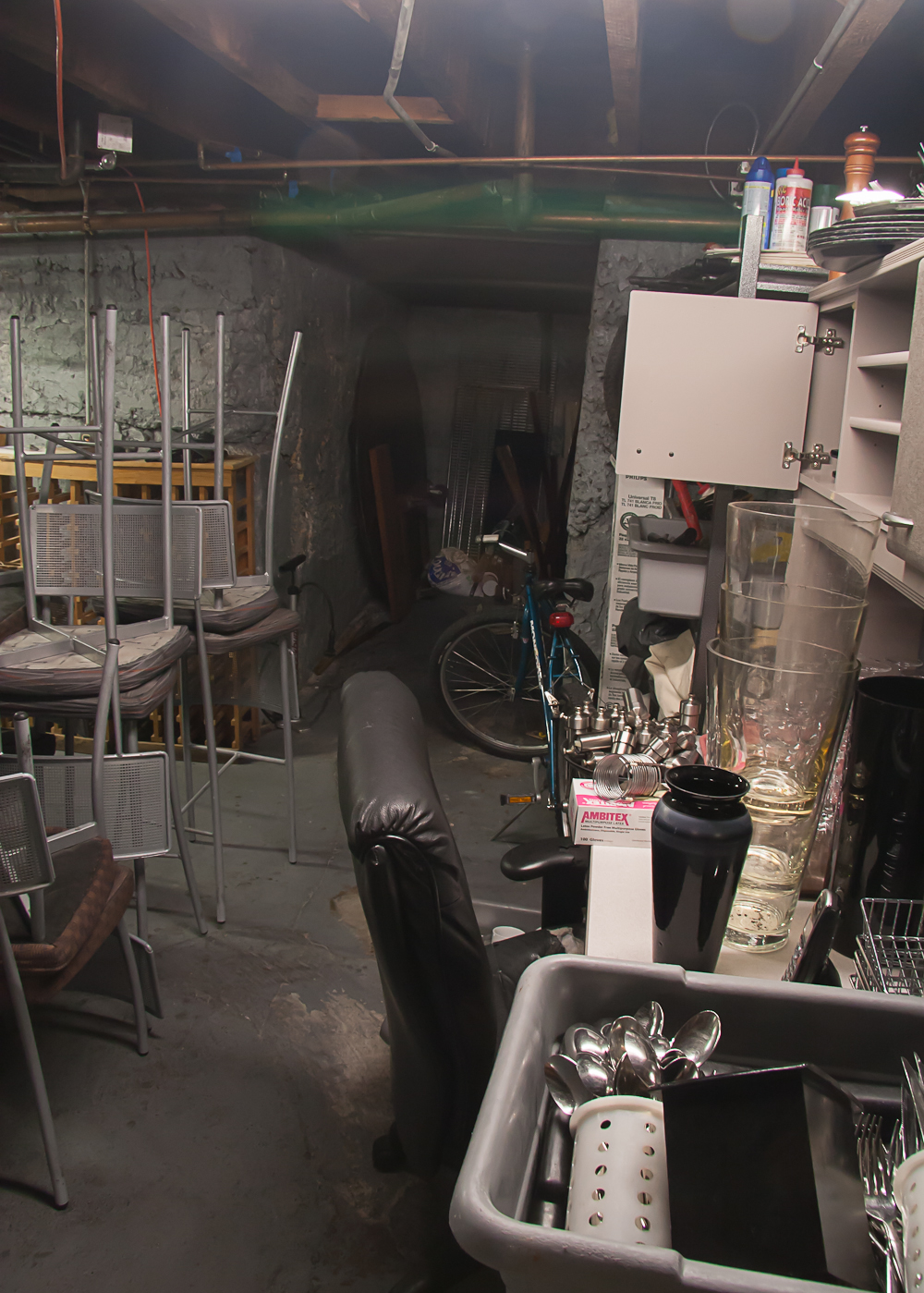
To my wife and me it seemed impossible to believe that they had signed the lease and accepted the keys on May 1 and were planning to be open by July 19. Part of our disbelief was grounded in having been there the day they walked into the space. The previous owner occupied the space for 12 years, and so much of the clutter of over a decade was still around. The restaurant had only shut its doors for the last time the night before, so there were also the leftovers of last-minute meals and unwashed dishes.

Wonder what else is in that scary basement?

The space is in a very good part of the city, close to the performing arts centers as well as the city hall. Still, the space was in  desperate need of a major redo. And that’s exactly what Sarah and Evan did. Walls were torn out, the restroom was relocated so that it was ADA compliant and no longer opened into the middle of dining room, banquettes were tron out, and major cooking equipment, including the range led together with duct tape,  was either replaced or sent out for a total refurbishment. Carpet was pulled up, and lurking beneath was a beautiful hardwood floor just begging to be refinished and polished.  Other discoveries included beautiful wooden pillars hidden behind drywall covers and a great red support beam for the ceiling. An image of the red beam has become a part of the web site home page for Rich Table. Old furniture was out and natural wood tables with classic chairs were brought in.

“The Beam”

After the demolition was completed. the new construction began. Evan went to an old saw mill which was being torn down in Petaluma. He bought several hundred square feet of old barn wood to be used on the walls of the dining room. With the help of their designer, Sarah and Evan put together a new space with soft-colored wooden walls, a gleaming cherry-stained hardwood floor, complementary curtains, and interesting lighting.  The roughness of the wood was softened by welcoming throw pillows at the back of the banquette.

Finishing touches on the community table

The new corner of the banquette

In the meantime, the two remained busy cooking for private parties, trying out some of the dishes they plan to offer on their menu. Their goal is to provide creative, well-prepared high-end food in a relaxed atmosphere without all of the fuss and with affordable prices. A couple of the dishes which will make their menu are shown here.

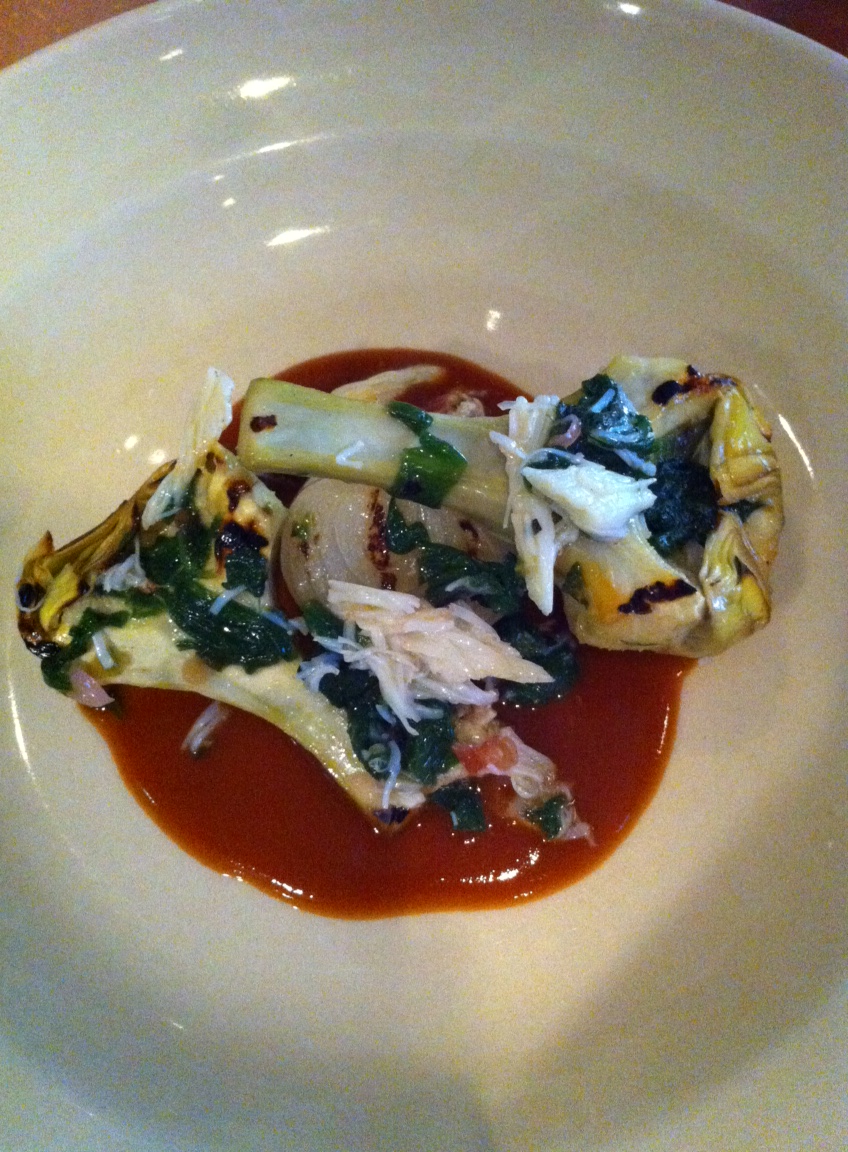
Grilled artichoke and crab bouillabase with ramps

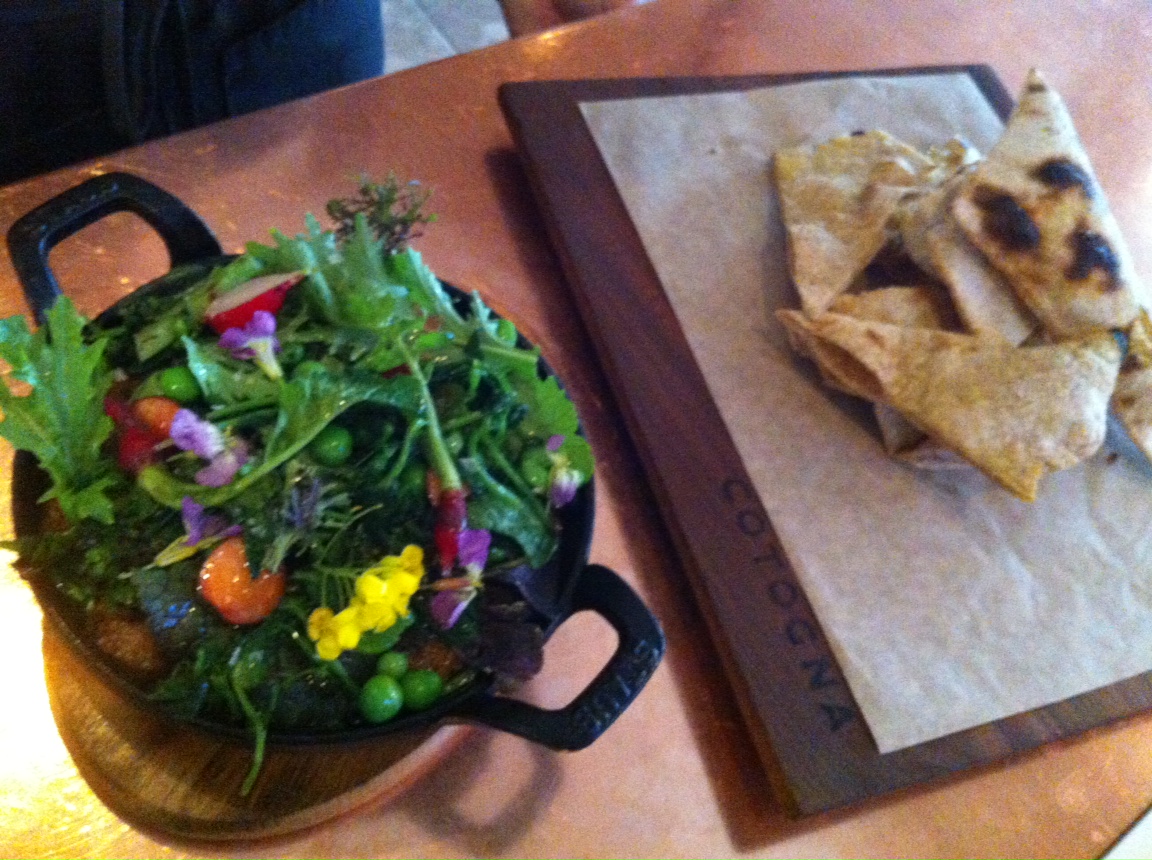
Braised oxtail with foraged spring things and flatbread

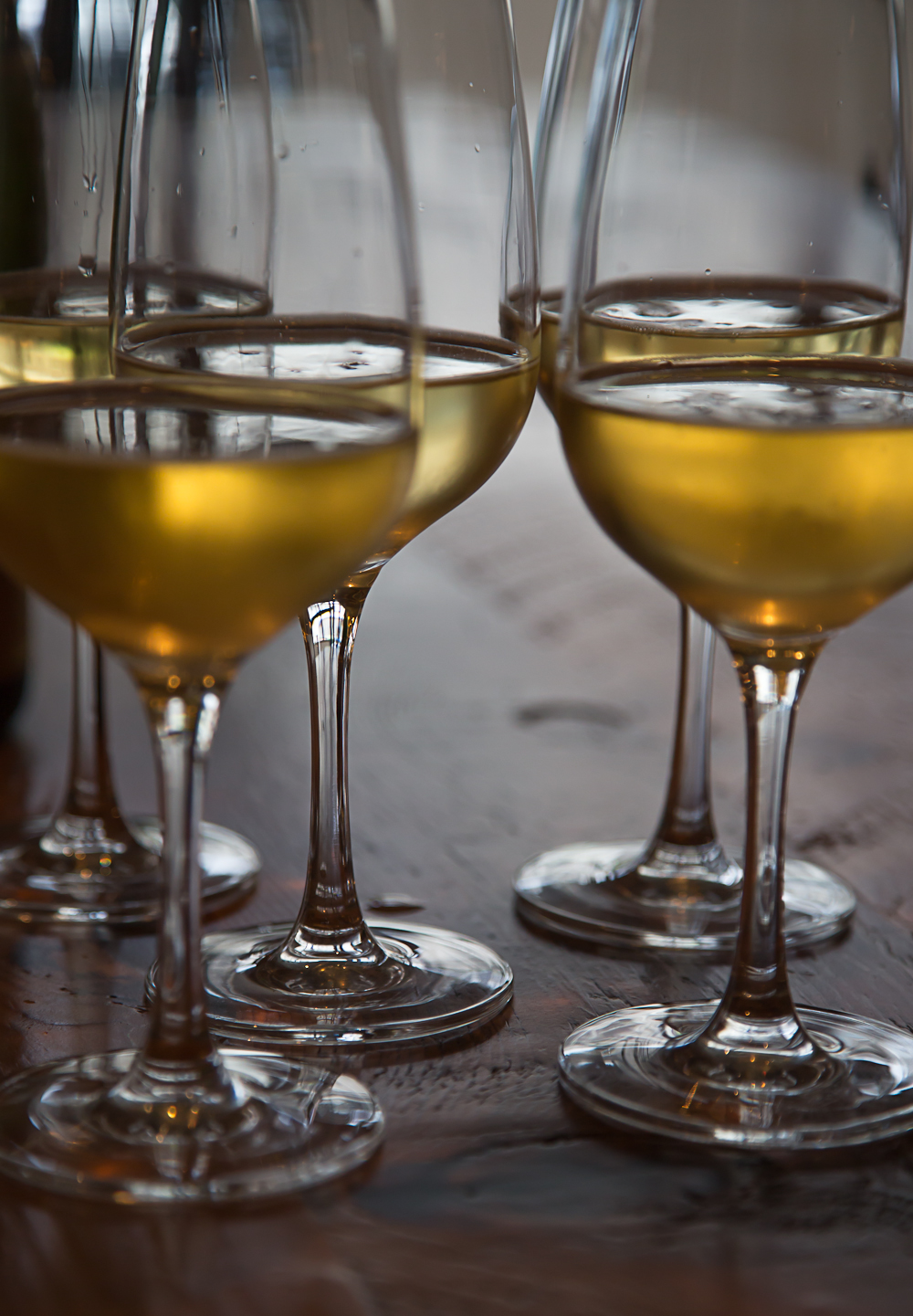
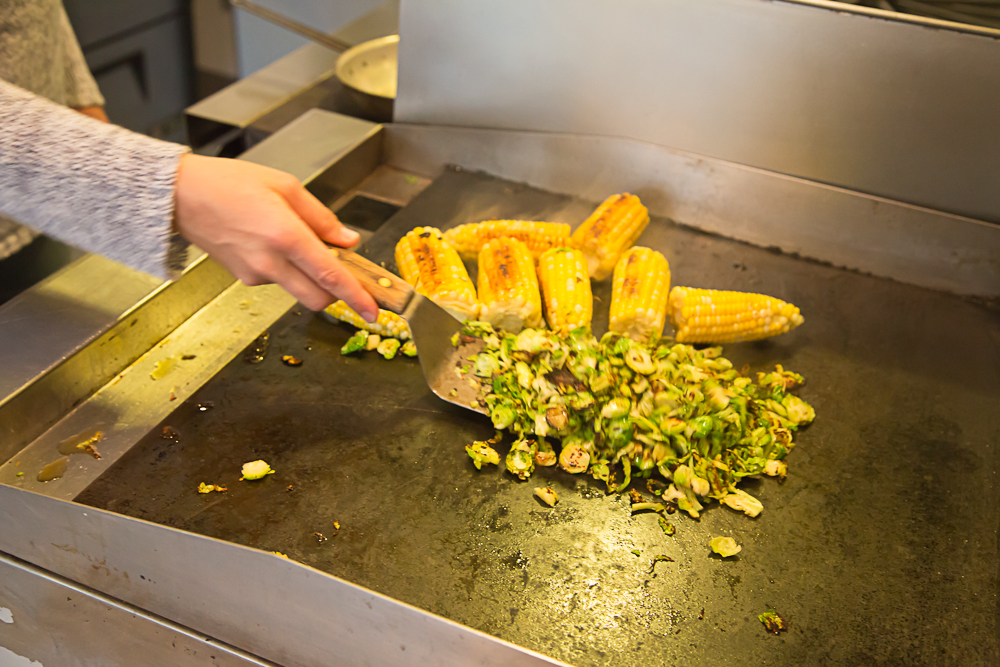
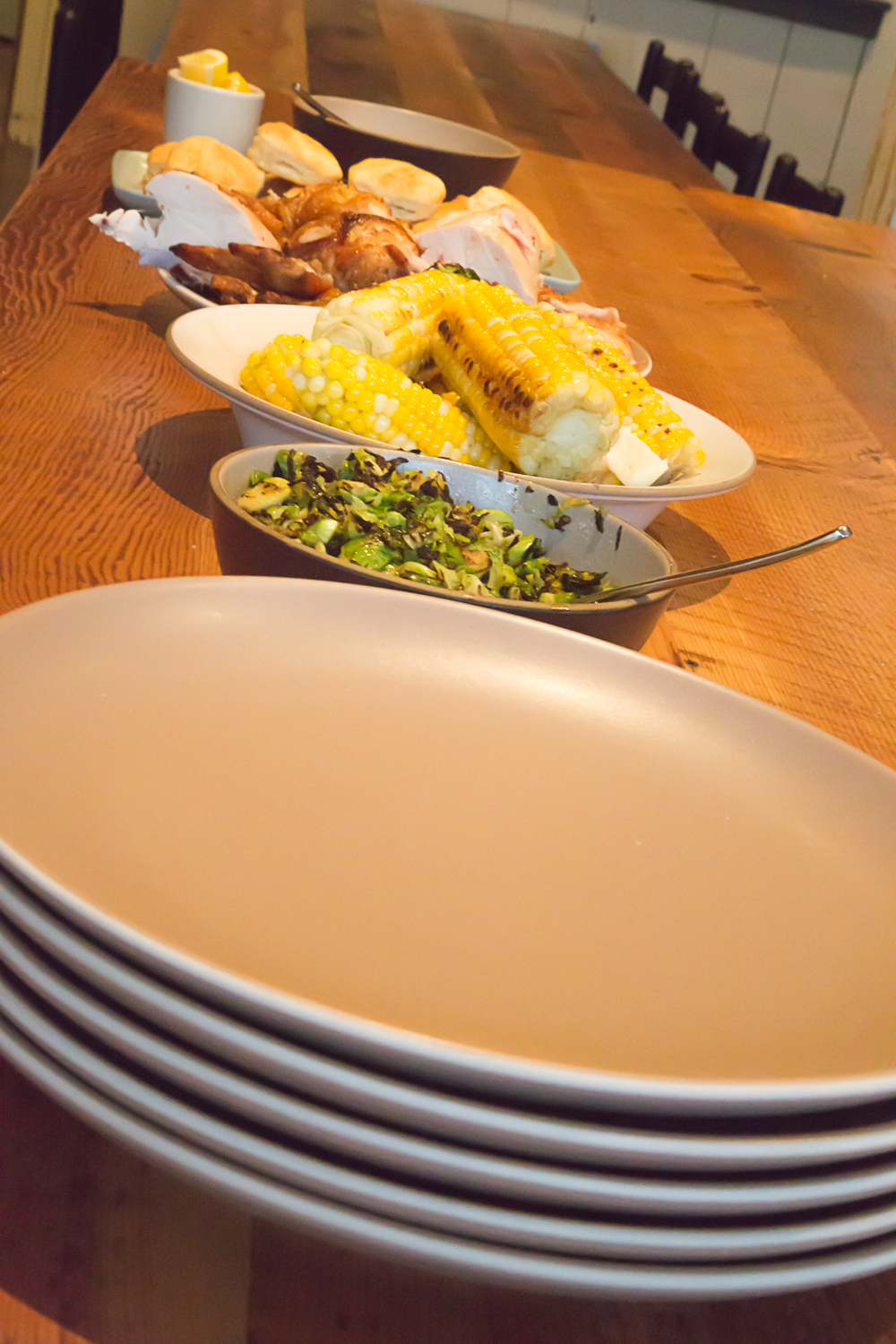
They still have lots of finishing touches to put in place, but the restaurant is close enough to being ready that we wound up having a sort of family picnic. Sarah cooked some of the food at home, then brought it to the restaurant to be finished. Our son joined us from his home in Silicon Valley. After a sparkling wine toast (New Mexico Gruet, what else?) we wound up having a  feast – nothing fancy: roasted chicken, giblet sauce, fresh-baked biscuits, ears of  corn seared on the restaurant plancha, sautéed shaved Brussels sprouts, and a delicious dessert  leftover from a private party: sort of a deconstructed Black Forest cake with rich chocolate cream served between wafers of a crisp chocolate panade and topped with macerated fresh sweet cherries and whipped cream.

The big push now begins. The reservation program is not yet set up, but the plan is for Rich Table, 199 Gough, San Francisco, to be open by the end of the month.

Ready for a toast

RECIPE

Jacques Pepin says that one of the marks of a good chef is to be able to cook a perfect omelet. The other mark is the ability to roast a perfect chicken. Here is Sarah’s recipe.

Oven-Roasted Chicken

Ingredients

  • 1 fresh four-pound baking chicken
  • salt and pepper
  • 6 cloves of garlic, coarsely chopped
  • 1 lemon, halved
  • good handful of your choice of fresh herbs – thyme, rosemary, sage, or tarragon are all good choices
  • ½ cup melted butter (about)

Method

  • Thoroughly clean the chicken, inside and out, with running water
  • Salt and pepper generously inside and out
  • Stuff the cavity with the chopped garlic, cut lemon, and herbs
  • Brush the chicken all over with the melted butter and place in the middle of a heavy, oven-proof pan (cast iron works the best) over a hot flame.
  • Turning frequently and basting as needed, brown the chicken on all sides
  • Move the chicken in the skillet to the middle of an oven preheated to 425º F
  • As it bakes, turn the chicken frequently and baste it with pan juices and remaining melted butter.
  • Bake for about 1 hour or less  or until the temperature of the thigh muscle reaches 165° F using an instant read thermometer
  • Remove from the oven, let rest for about 5 minutes, and then slice into serving pieces while the skin remains crisp.

Grilling corn and Brussels sprouts on the plancha

7 Comments

Filed under Food, Photography, Recipes, Restaurants, Travel

PAELLA AND CHAMOMILE/LIME FLAN

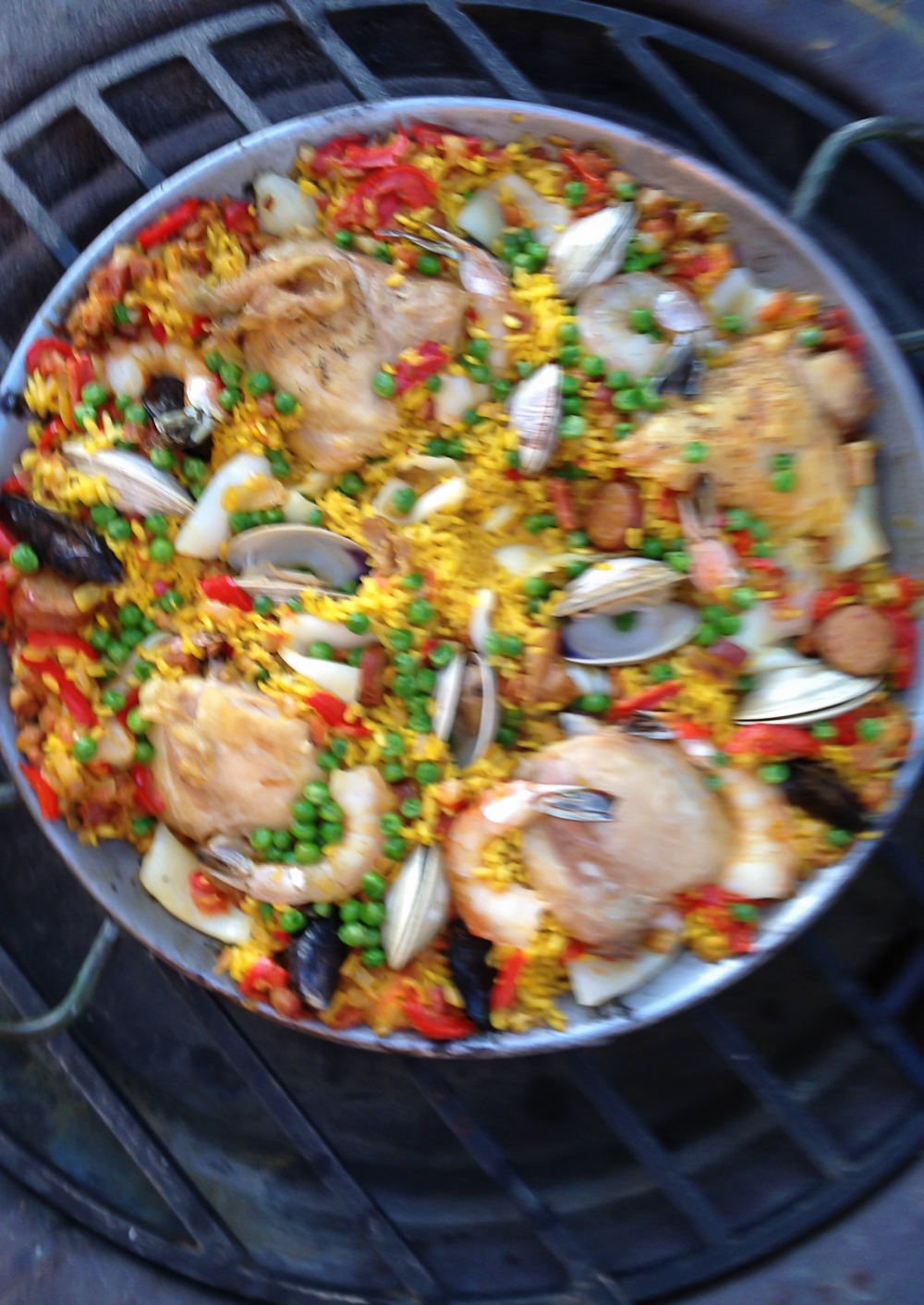
The other evening we had some friends over for dinner. I had tasted a bottle of Spanish granacha, Cruz de Piedra, at our neighborhood wine tasting the week before, so of course I thought of making paella in our back yard over our open fire pit. It turned out to be Spanish night with manchego, membrillo, white anchovies, paella, and chamomile/lime flan with home-made cajeta. I was pretty proud of the result, and then I discovered that our friends’ daughter, who runs the first food truck in our town, serves paella on a regular basis. Not only that, she writes a food blog where she has done a very complete and scholarly description of the history and traditions of paella. You can read all about it on her blog, http://www.foodtruckclick.com/

Paella on the fire pit

We still had a good time at our gathering, and cooking the paella over an open fire was the hit of the evening.

We enjoyed some of the Cruz de Piedra, along with some vinho verde in deference to the Portuguese and a warm evening. Our friends brought a tasty green salad dressed with a simple vinaigrette along with a crusty batard of farm bread.

Dessert was a classic flan except that it was flavored with chamomile and lime. I served it with the traditional caramel topping but along with cajeta made with fresh goat’s milk.

As evening came, we just relaxed on the patio and watched the sun go down.

Paella is one of those things where you can just do whatever you please except for the required rice and saffron. The recipe that follows is the version I chose for the evening.

Ready to eat

RECIPES

Paella

Ingredients

  • ½ cup olive oil, divided
  • 4 chicken thighs
  • 3 ounces pancetta, chopped
  • 2 chorizo sausages, one diced and one sliced crosswise
  • 1 medium yellow onion, diced
  • 1 large tomato, peeled, seeded, and chopped
  • 1 red bell pepper, seeded and cut into ¼ x 1½ inch strips
  • 3 cloves garlic, peeled and minced
  • 2½ cups Arborio rice
  • 2½ cups fish stock
  • 2½ cups chicken stock
  • 1 teaspoon kosher or sea salt
  • ½ teaspoon Spanish saffron (no other)
  • 8 clams
  • 8 mussels
  • 8 large shrimp, shelled except for the tail and deveined
  • ½ cup fresh or thoroughly thawed frozen green peas
  • 4 medium squid tubes, each cut into 4 pieces

Method

  • On the stove, heat half of the olive oil over a medium high flame. When it is just shimmering, add the chicken thighs, skin-side down. Brown the chicken until the skin is crisp and brown, turning frequently so the chicken cooks through completely. Drain the chicken on paper towels and set aside. You may want to refrigerate if dinner is a long way away.
  • Add the sliced chorizo to the hot oil and chicken fat. Turn frequently until lightly browned. Drain the cooked chorizo on paper towels and set aside.
  • Add the pancetta and diced chorizo to the still hot pan. Stir frequently until the pancetta is just slightly browned but not crispy. Then add the onion, tomato, pepper, and garlic. Cook until the vegetables are well wilted, liquid has boiled  off, and the mixture is a thick sauce. This is the sofrito. Transfer to a bowl and set aside.
  • About an hour before you plan to start the paella, build a fire in the fire pit. Although a wood fire is traditional, charcoal briquettes are perfect.
  • Back in the kitchen, pour out the oil and chicken fat from the pan. Add the remaining olive oil and heat until it shimmers. Then add the rice, stirring frequently until it is well coated.
  • In the meantime, combine the fish and chicken stock in a large pot and bring to the boil.
  • When the rice is evenly coated stir in the sofrito, salt, and saffron. Then pour in the boiling stock, and bring it back to the boil.
  • It is now time to take the pan out to the fire pit. Be careful not to spill.
  • When the pan is firmly set on the grate, make sure it is bubbling gently. From now on, don’t stir.
  • Now it is time to add the other ingredients. First arrange the chicken thighs around the outside of the pan. Then put in the sliced chorizo. After a few minutes, place the clams, hinge side down, deep into the rice. Next add the mussels, and then the shrimp.
  • Sprinkle the peas over the top. Then check to see how everything is going. Add more water if needed. Stir only if the bottom seems to be burning.
  • Cooking should take around 20-30  minutes, depending upon the heat of your fire.
  • Just 3 or 4 minutes before you think things are done, bury the pieces of squid in the rice. They will get tough if you cook them too long.
  • Serve immediately.

Chamomile/Lime Flan

Ingredients

  • 2/3 cup white sugar
  • ¼ cup water
  • 2 cups whipping cream
  • 2 bags pure chamomile tea (some have mint or other herbs)
  • rinds of 2 limes
  • ½ cup sugar
  • 2 whole eggs
  • 2 egg yolks
  • 2 quarts boiling water

Method

  • Preheat oven to 300° and set out 4  6-ounce ramekins
  • In a small sauce pan, combine the sugar and water. Bring to a boil over medium heat. Do not stir but continue to boil until the mixture is a light amber color.
  • Working quickly, pour some of the caramelized sugar into each of the ramekins, turning them so the caramel coats the bottoms and sides. Set aside.
  • In a heavy-bottomed saucepan,  heat the cream to a simmer along with the added tea bags and lime rinds. Heat for about 10 minutes. Then stir in the sugar, and remove from the heat.
  • Let steep off the heat for another 10 minutes. Then strain into a bowl.
  • In the meantime, combine the eggs and egg yolks in another bowl, using a whisk. Make sure that they are very well mixed.
  • Whipping constantly, Pour a small stream of the heated cream into the egg mixture/ Not too much so that the eggs don’t scramble. Add a little more of the heated cream to temper the eggs, and then pour that mixture into the cream, whipping to combine completely.
  • Pour the egg and cream mixture into the prepared ramekins.
  • Arrange the ramekins in an oven-proof pan which will hold them comfortably.
  • Pour the boiling water into the pan ust to the level of the tops of the flans, being careful not to get water in the ramekins.
  • Transfer to the middle of the preheated oven and bake for 30 minutes. Remove the pan from the oven. The centers of the custards will still be soft.
  • Place the pan on a cooling rack and allow the flans to cool completely in the water bath. They will finish their cooking as they cool.
  • Cover the cooled ramekins with plastic wrap and chill in the refrigerator for at least an hour and even over night.
  • To serve, run a thin spatula around the edge of each flan. Invert over the serving plate. The flan should slide out easily. If it does not, twist gently and it should come free.

2 Comments

Filed under Food, Photography, Recipes, Restaurants